
Demolition Sale on Davis Island in Tampa 1930's 7,000 SQ FT House
Apr 15
9am to 8pmApr 16
9am to 8pmApr 17
9am to 8pmApr 18
9am to 8pmTerms & Conditions

Fresh Start Estate Liquidators
Description & Details
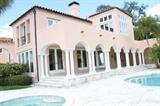
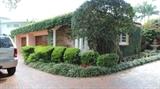
This is Demolition Dream Sale for Everyone!! This entire 7,000 SQ Foot, 1930's, waterfront home on Davis Island is being torn down and rebuilt! Everything from the beautiful exterior to the custom vintage interior will be sold. This sale will be by appointment only.
Email Michelle@Freshstartoftampabay.com or call 813-785-7750 9am-8pm to schedule your appointment.
All items will be sold to highest bidder. All sales are by cash or certified bank funds only and all sales are final. Payment must be received before removal of any items.
Deconstruction will take place over two weeks and be scheduled according to the items sold (second floor first, then first floor, exterior windows and doors will be last). Professional builder or contractor removal will also be scheduled first to preserve the integrity of all the items and ensure proper, safe removal.
YOU MUST BRING YOUR OWN TOOLS AND CREW TO REMOVE ANY ITEMS. You will also be required to sign a waiver of liability and hold harmless agreement before entering the property and removing anything from the property.
This spectacular sale will consist of:
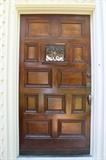
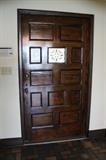
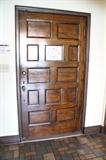
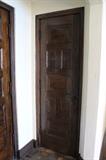
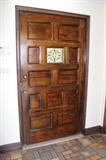
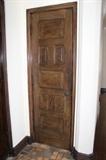
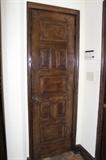
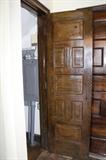
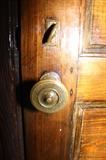
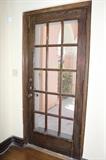
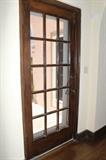
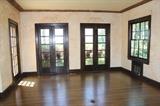
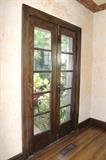
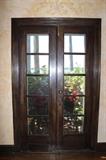
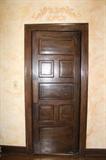
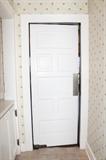
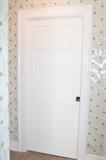
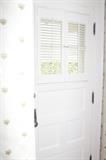
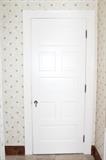
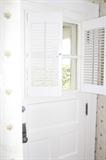
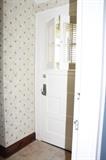
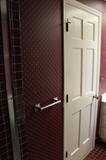
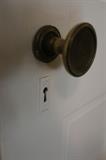
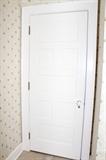
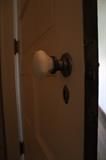
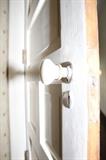
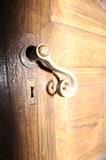
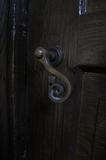
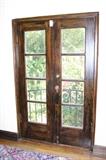
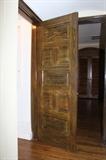
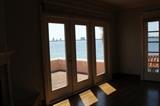
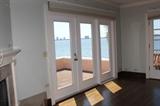
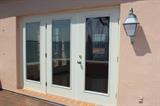
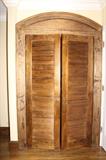
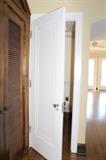
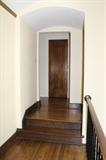
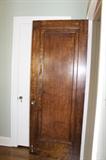
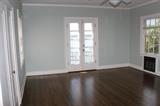
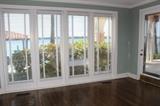
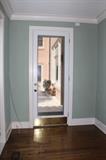
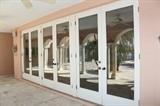
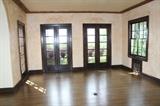
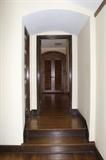
- Doors- French style, interior wood doors, Large front door, Screen doors, Pub door, Pocket doors, many other exterior and interior solid wood doors with antique hardware
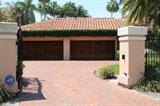
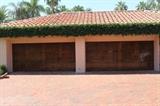
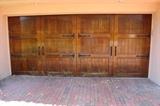
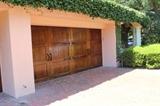
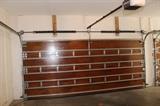
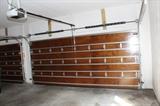
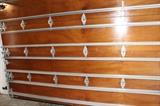
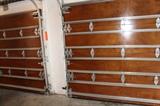
- Mahogany Garage doors set of two with openers
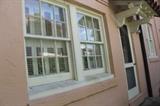
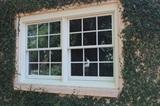
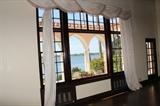
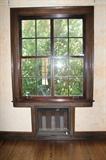
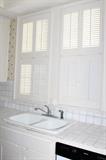
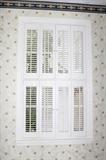
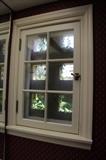
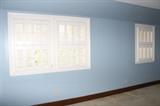
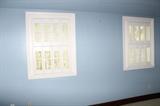
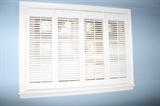
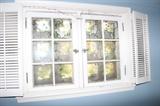
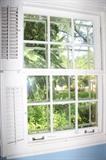
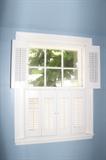
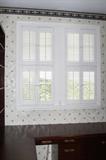
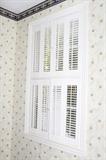
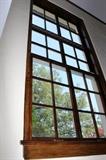
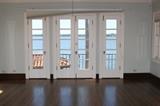
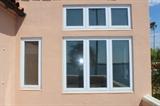
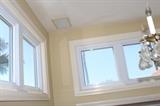
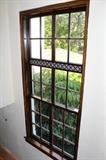
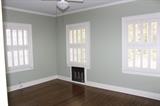
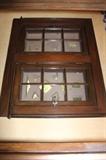
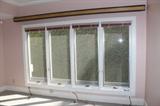
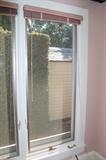
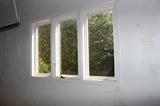
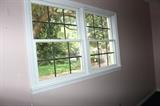
- 50+ Windows - original 1930's pained windows with interior shutters, modern windows
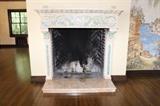
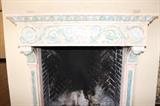
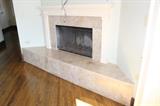
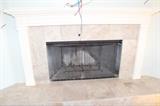
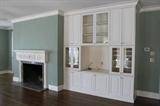
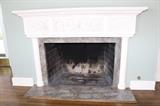
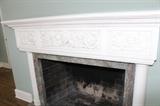
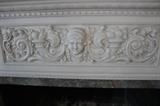
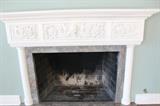
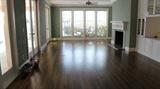
- Multiple fireplace decorative mantels, One original, Two newer models
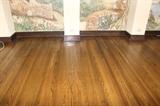
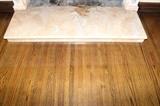
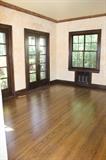
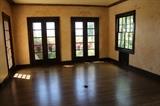
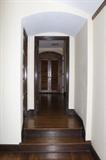
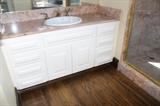
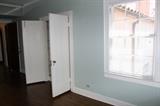
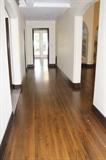
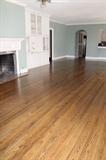
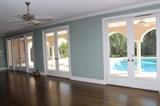
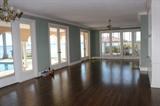
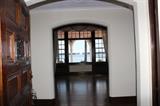
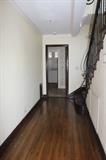
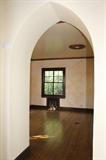
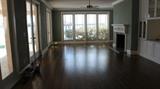
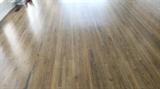
- Great Condition Oak flooring throughout the entire house
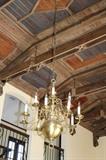
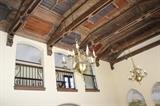
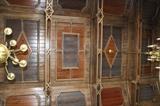
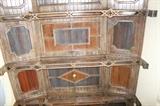
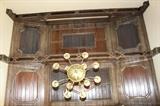
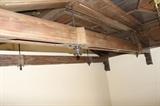
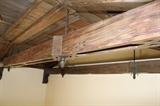
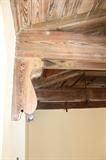
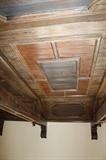
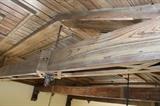
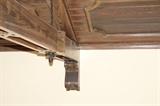
- Large European solid wood Ceiling beams with inlaid wood ceiling
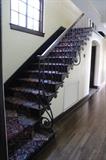
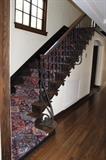
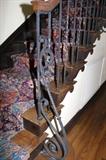
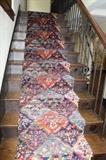
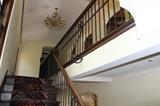
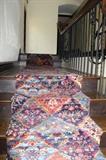
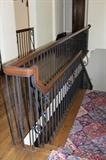
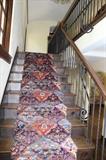
- Oak staircase with banister, vintage staircase runner
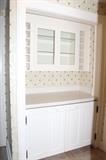
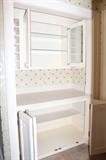
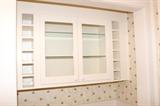
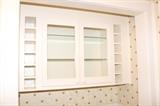
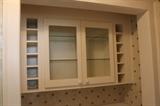
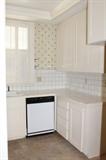
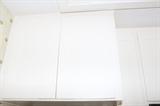
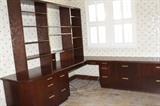
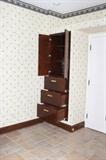
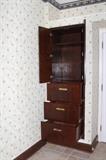
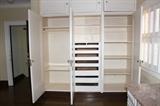
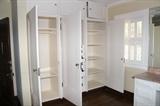
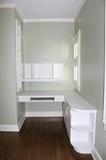
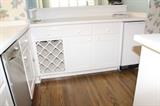
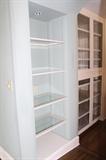
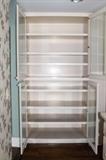
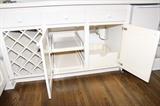
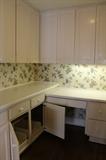
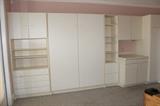
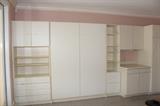
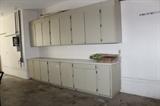
- Built in cabinets throughout the entire house
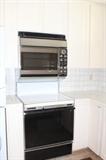
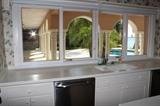
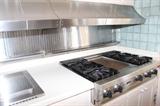
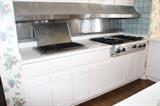
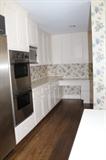
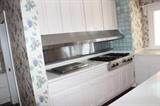
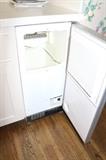
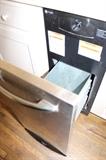
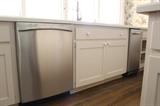
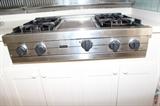
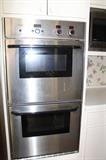
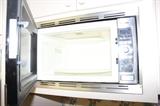
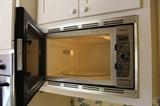
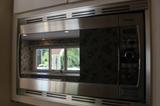
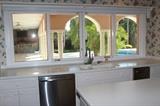
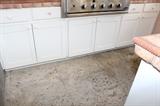
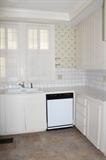
- Entire kitchen with commercial grade gas appliances, dishwasher, trash compactor, double oven, Viking 6- burner stove, Grill, ice machine
- Butlers kitchen
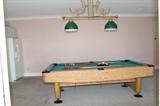
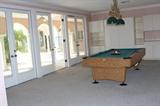
- Pool Table w/ Ceiling lighting above
- Scrap metal, copper and aluminum
- Copper gutters and downspouts
- Copper plumbing
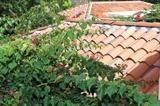
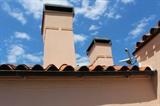
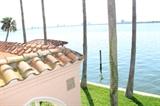
- Spanish Terracotta roof tiles
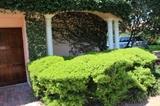
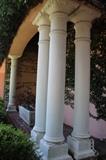
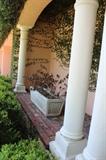
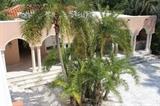
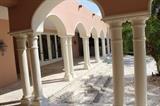
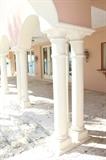
- Decorative outdoor columns
- Oversized Movie Screen
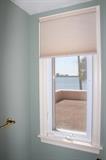
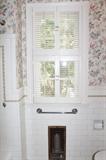
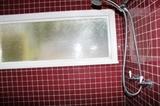
- Electric blinds in bathroom
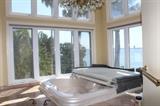
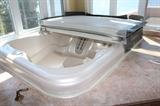
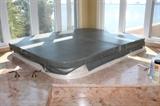
- Full size hot tub in master bath
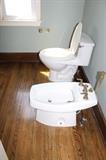
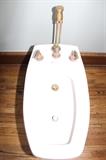
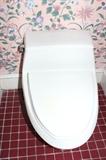
- Bidet
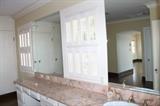
- Mirrors
- Multiple Ceiling Speakers
- Recessed lighting throughout the house
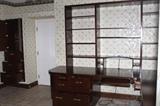
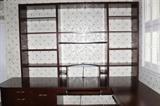
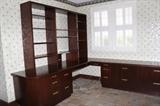
- Large office desk with built in filing cabinets and storage
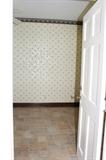
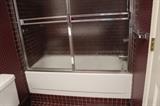
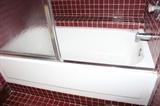
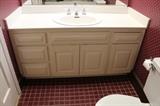
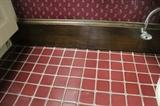
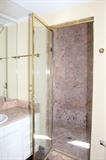
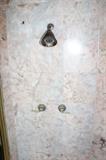
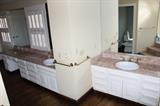
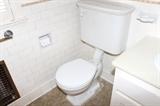
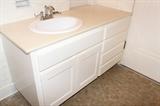
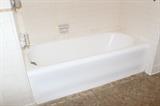
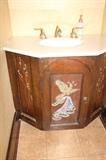
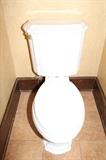
- 5 bathrooms- One completely original from the 1920's
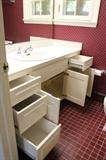
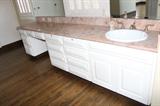
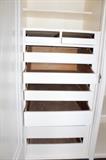
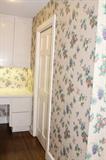
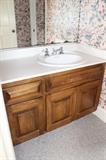
- Multiple built in original cabinets with tons of storage
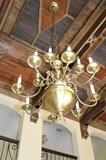
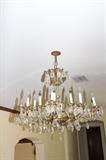
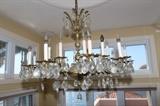
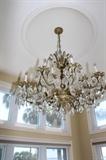
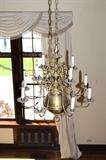
- 5 chandeliers
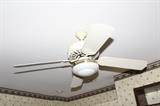
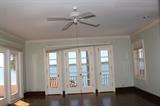
- Multiple Ceiling fans indoor and outdoor
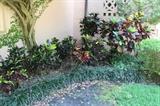
- Landscaping plants and trees
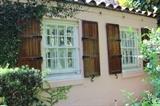
- Antique wooden shutters inside and outside
- Tons of Marble throughout the house
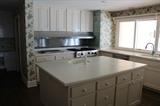
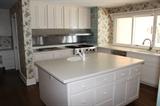
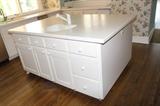
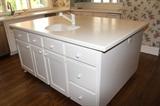
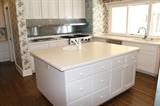
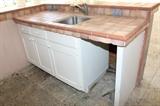
- Oversized kitchen island with Corian counter top with sink/faucet and below cabinets
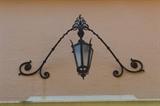
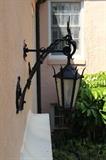
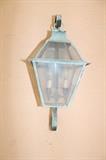
- Outdoor Light Fixtures
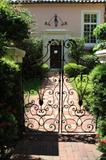
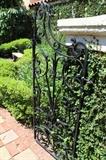
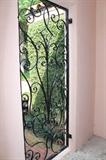
- Wrought Iron entry gates
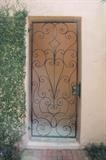
- Wrought Iron entry door
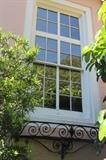
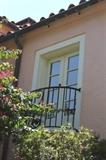
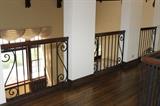
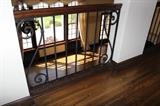
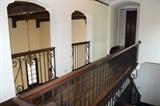
- Wrought Iron window planters and balcony railings
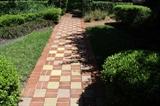
- Brick Pavers
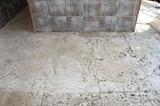
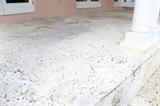
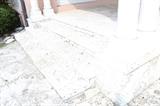
- 24" coqunia slab tiles surrounding the back of the house
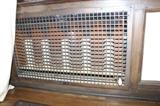
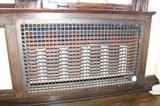
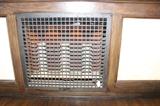
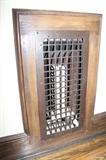
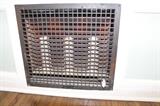
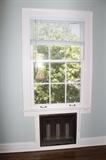
- Multiple radiator vents
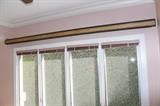
- Curtains and Window treatments
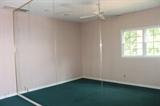
- Wall of mirrors in workout room
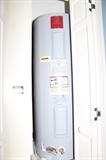
- 2 Hot Water Heaters
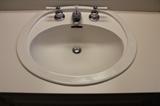
- Plumbing fixtures- some original to house
- Crown Molding
- Floor Molding
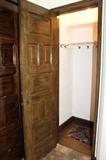
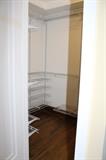
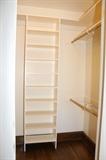
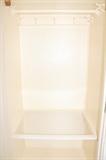
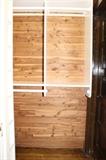
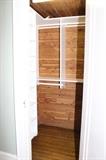
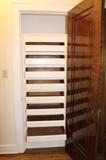
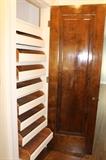
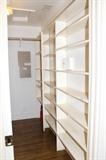
- Cedar Closet
Blanca Avenue Architectural Description:
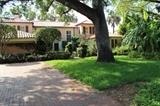
The Thomason house at Blanca is located in the western Hotel section of Davis Islands. The east-facing dwelling is sited directly on Hillsborough Bay in an area originally intended for a large luxury hotel surrounded by elegant homes and approached by palm-lined streets. Although post-war construction is predominant now, three 1920s homes share the waterfront side of Blanca Avenue with the Thomason house.
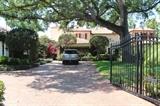
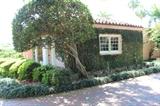
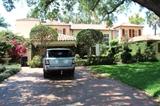
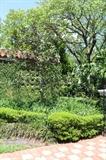
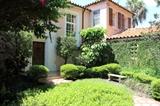
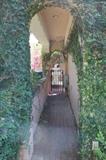
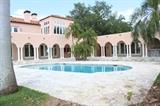
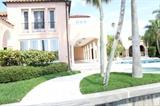
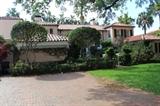
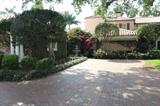
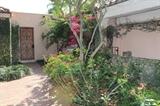
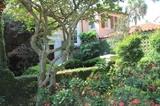
Large scale improvements to the house within the last year extend to the grounds. Concrete drives fill half of the front lawn, but a mature oak tree and the original walled entry courtyard have been preserved. The southwest part of the property is filled with a swimming pool, a spa, and a patio of imitation coquina slab.
Like many of Franklin 0. Adams houses, this one is a symmetrically conceived design following an H-shaped plan similar to 301 Caspian Avenue. In this case, the courtyard is to the front, while the Caspian house features a rear court.
Composed of a two-story main block with end pavilions, the plan is completed with one-story east wings enclosing the above mentioned courtyard. The masonry structure is built of hollow tile with a smooth stucco finish and rests on a foundation of brick piers. Clay barrel tiles cover the hip roofs. Located on the interior at the ridge, the two stucco-covered chimneys have their original metal covers supported by scroll brackets.
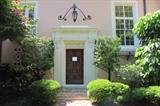
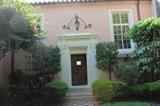
Fenestration is essentially symmetrical on the seven-bay east elevation, although one bay departs from the simple double hung sash six over six pattern and incorporates a balconette with French doors on the second floor level and a decorative tile vent at the first floor. The uncovered entrance features a cast stone frontispiece with quoins and an entablature with foliate frieze. The original wrought iron lantern with its handsome bracket holder survives above the frontispiece cornice. The paneled front door is also original and includes a window which provides a view through the house to the water.
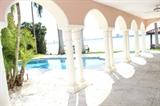
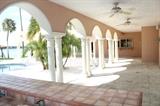
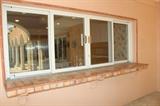
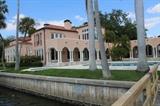
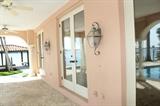
The waterfront west elevation follows a similar nearly symmetrical arrangement centered on the terrace, a one-story, tiled floor space with a Venetian Gothic arcade supported on paired columns of poured concrete. A pent roof clad with barrel tiles lines the arcade, but the terrace roof was originally sliding awning. French doors and a balconette are centered on the North Bay, while grouped sash windows light the south bay. The center bay under the arcade is filled with a large, single light fixed sash window. Two twelve over six sash units flank the central window.
The interior of the house is both well-ordered and welldetailed. The plan centers on the north-south entrance hall and two-story living room which fill the bar of the H. It is this space which is the most elaborate. Floors are tiled, stairs feature wrought iron balustrades, and a second floor gallery runs the length of the hall providing a view of the living room and the water. The ceiling is paneled and beamed. Heavy scrolled brackets support the carved trusses. The ceiling is further embellished with stenciled patterns in red and green.
Originally the north wing included (from east to west) servants quarters, service porch, kitchen, serving pantry and dining room. The service area east of the kitchen has been altered twice and in 1986 was converted to a guest suite with a bath, sitting room and single bedroom. During this conversion the serving pantry became a small, second kitchen.
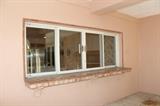
Originally housing the master suite and garage, the south wing has been altered twice and more extensively. Its first conversion in the 1960’s to a Florida room included a change to aluminum sliding glass doors on the west wall. During the 1986 remodeling, which involved the addition of an arcaded loggia on the south side, French doors were installed in place of windows and doors on the south and west walls. The bathroom was removed and the garage converted to another kitchen at this time.
Alterations on the second floor were confined primarily to the south wing. The two original rooms, a sleeping porch and sitting room, were converted to one with a fireplace. An addition at the southeast corner of the main block (above the new loggia) houses a luxurious bath with twelve foot ceiling. The north wing retains its original two bedroom, one bath plan.
Further additions include a separate building to the southeast of the main house and connected to it by the new loggia. This is a 50' x 56' four car garage, activity room and porch which open on to the pool area. While the additions are sympathetic, they disturb the symmetry of the composition and block off a portion of the waterfront.
Not surprisingly, the house is in excellent condition.
Statements of Significance
Although the Thomason house is significant for its association with D. P. Davis' island development and a prominent publisher, it’s greater importance lies in its superb Mizner-like Mediterranean Revival design by Franklin 0. Adams. The symmetrically composed residence incorporates elegant interior spaces and gracious exterior elements adapted to its waterfront location.
Adams designed the bay front house in 1927 for Samuel E. Thomason, Chicago publisher and president of the Tampa Tribune Company. The pre-construction cost of $30,000 is indicative of the planned high quality of materials and craftsmanship. A hand painted and carved beam ceiling, wrought iron balustrades and imported decorative and floor tile indicate a fully-developed design scheme. The house was complete in 1928 and Thomason occupied it within the year.
Thomason was a recent arrival in Tampa. After a successful career at the Illinois bar he became vice president and business manager for the Chicago Tribune in 1918. He remained with the Chicago paper until 1927 when he came to Tampa in partnership with Richmond publisher Samuel Bryan to purchase the floundering Tampa Morning Tribune. That paper had recently undergone a sudden take-over amidst the volatile financial atmosphere of the mid-1920s.
A newly established rival newspaper the Telegraph exacerbated the situation; and, the Tribune floundered as its rival failed, making Thomason's proprietorship possible. In addition to his role as publisher Thomason was active in the community. One of his most important contributions was as a co-founder of the University of Tampa in 1931.
The house's architectural merit was acknowledged by Southern Architect and Building News with a feature in their May 1930 issue. The article included first and second floor plans as well as four photographs. These highlight the entry courtyard, the sculptural frontispiece and the arcaded and tiled terrace with its paired columns. With such well-wrought elements the house seems the quintessential example of Davis' dream of a community of elegant, Venetian-inspired private homes.
Thomason died suddenly in 1944 and the house was sold to shipbuilder Matthew McCloskey, Jr. Although he only lived there for a few years, the subsequent owner, Robert C. Wooten was a long term resident. The manager of a citrus company, Wooten lived at Blanca from 1951 to 1980.
Amanda and Ron Moore bought the house from David and Hazel Hanlon in 1985. The Moores have not only modernized kitchens, and vastly enlarged baths and family rooms, but they have added an entire 800 square foot wing which extends from the southeast corner of the house.














Thank you for using EstateSales.NET. You're the best!