
A Life Well Lived
Oct 24
8am to 5pmOct 25
8am to 5pmOct 26
8am to 5pmTerms & Conditions
Please feel free to call me or my daughter for further information! Please do not leave a message, instead text us at these numbers. Our phones jam up at sales times and the voicemails get full fast!
• Frances Fitz-Gerald (337) 540-1223
• Kate Bergstedt (337) 377-7944
• Store Phone (337) 564-5005
Thank you, Frances Fitz-Gerald & Kate Bergstedt!

Frances Fitz-gerald Jewelry And Antiques
Description & Details
"It's not about the hunt, It's about a life well lived!" -Willie
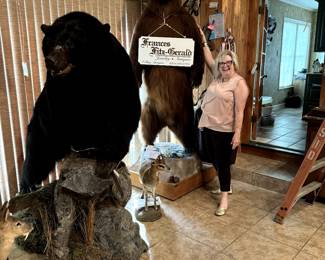
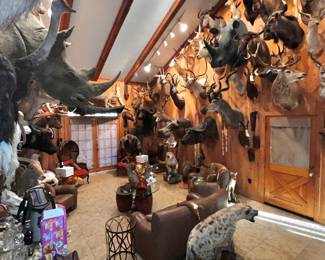
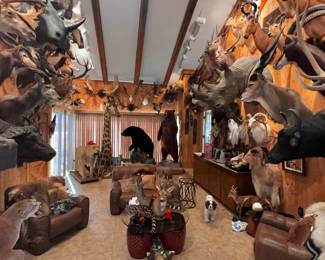
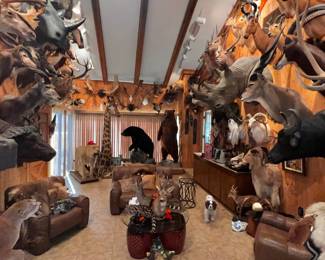
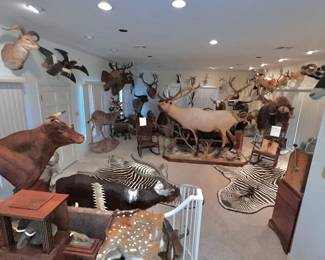
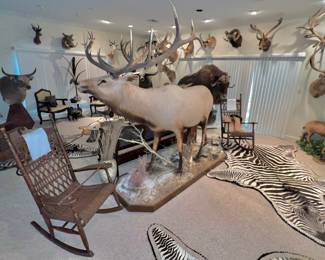
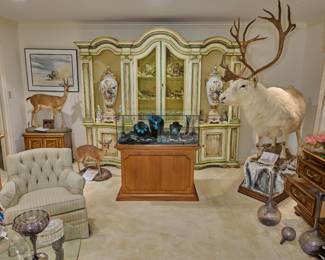
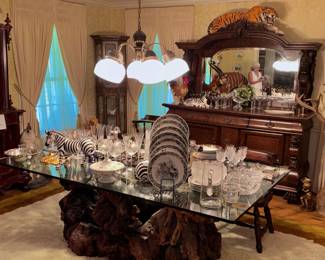
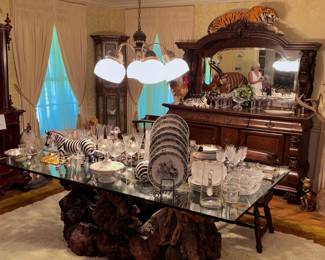
It is an honor, and a privilege to host our next incredible Estate Sale, and it is just around the corner! This is one you do not want to miss!!! This Estate is Filled to the brim with pieces from around the world featuring the remarkable belongings of William and Carolyn Newlin- an extraordinary couple who lived life to the fullest. From their early years in Lake Charles High School to their adventures in conservation and big game hunting, the Newlins epitomized authenticity, family values, and a love for the natural world. William was a dedicated hunter, passionate about wildlife preservation, while Carolyn, with her elegance and grace, grew to embrace the wild alongside him.
This Estate Sale is more than just an event- it's a celebration of a lifetime of cherished experiences, adventure and dedication to conservation.
Expect to find
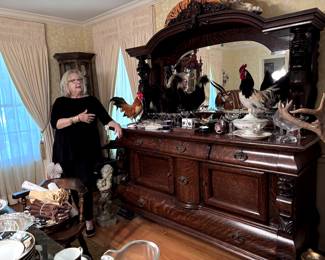
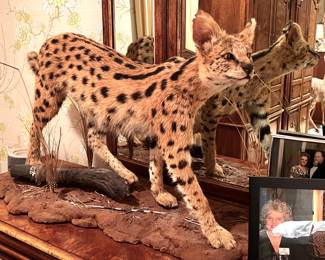
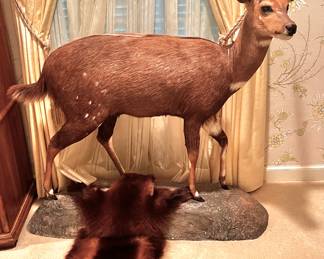
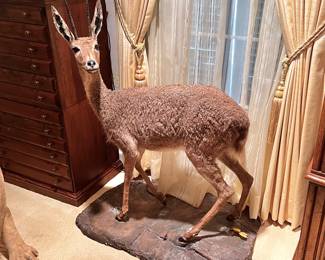
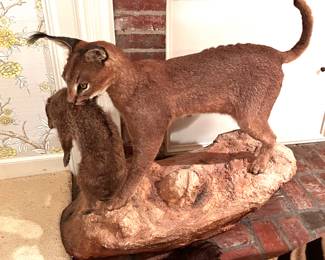
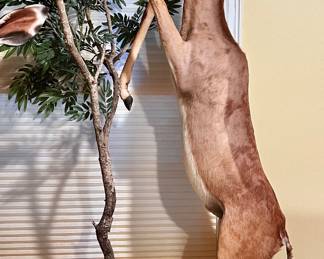
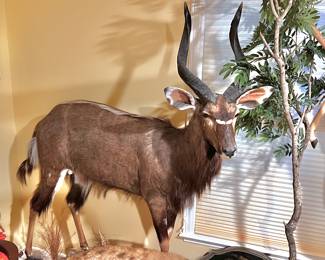
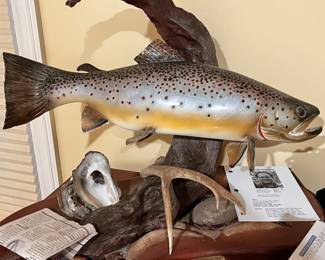
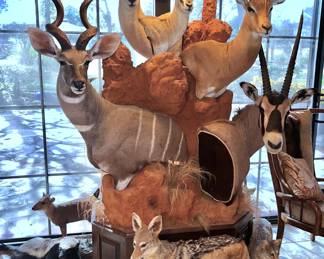
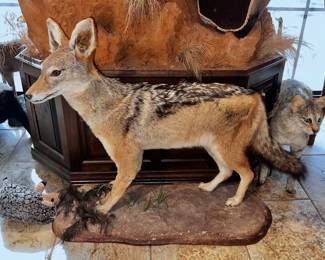
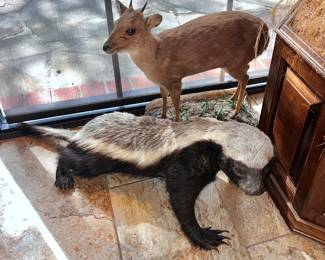
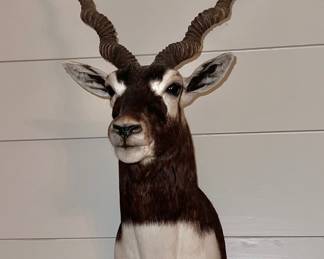
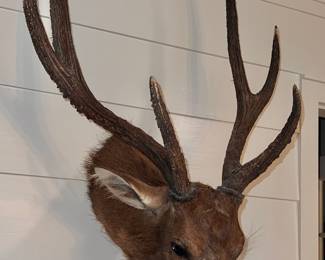
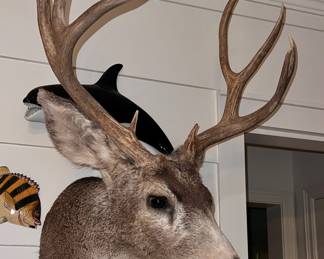
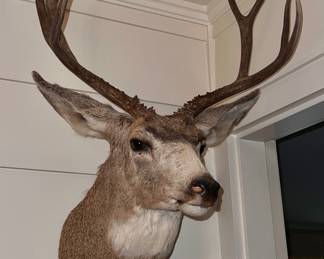
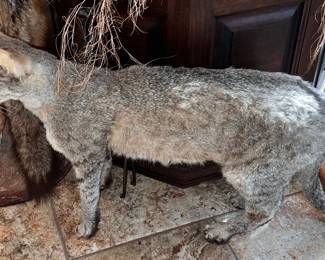
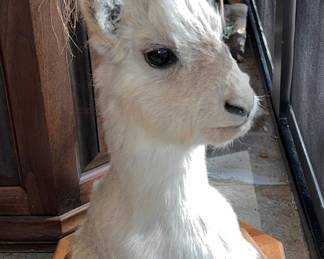
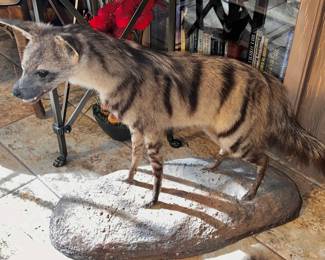
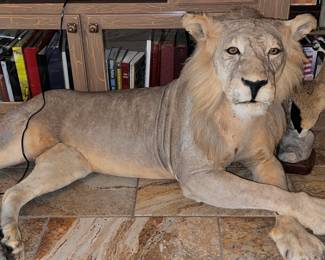
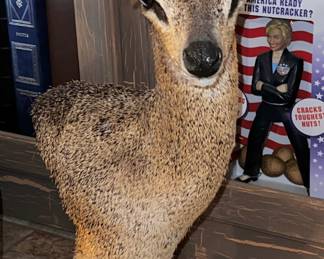
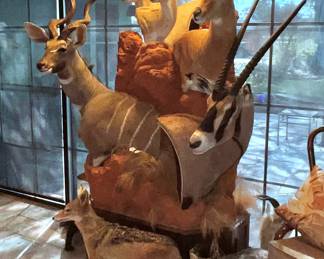
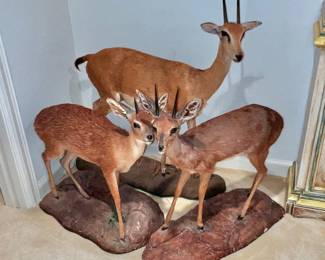
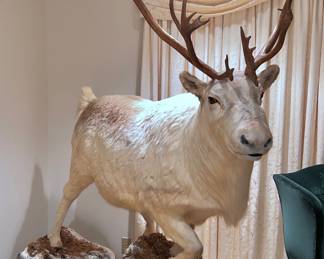
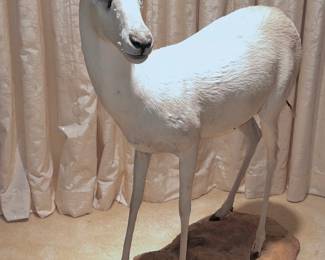
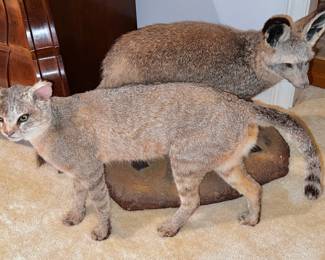
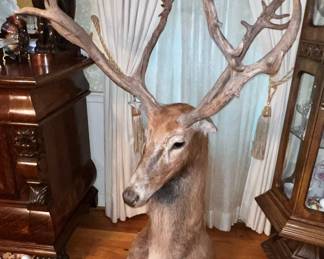
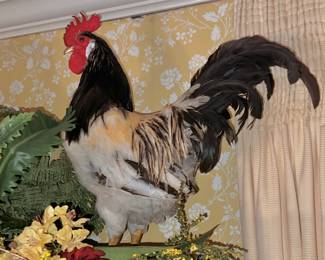
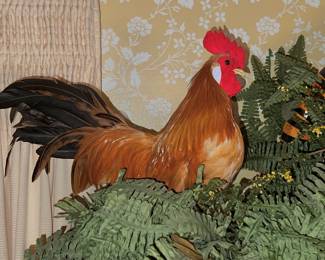
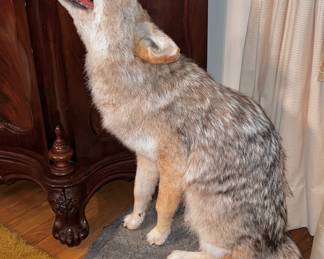
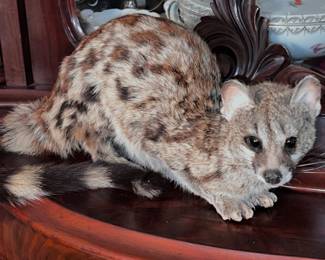
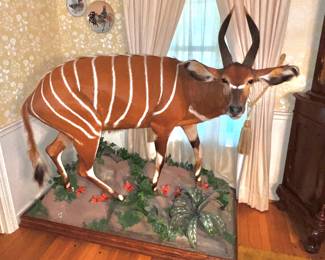
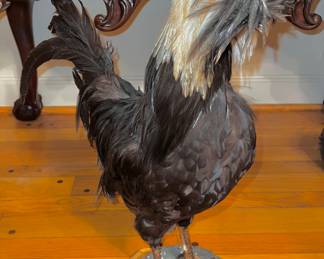
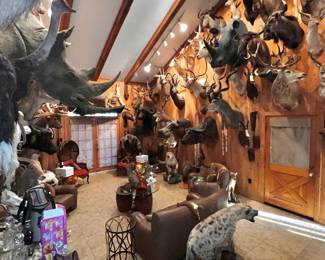
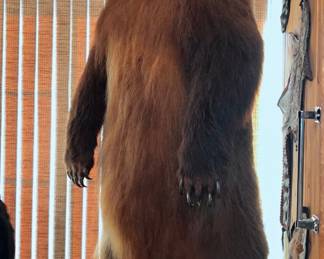
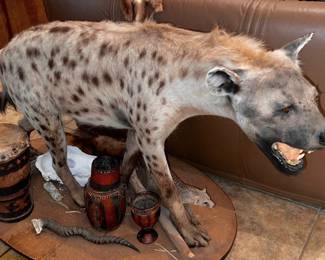
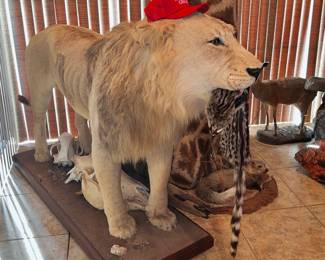
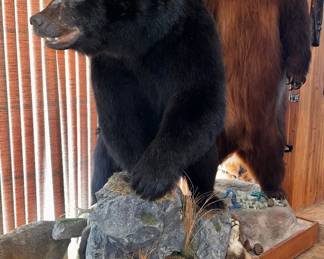
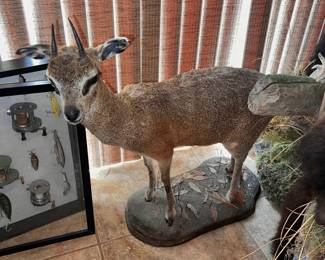
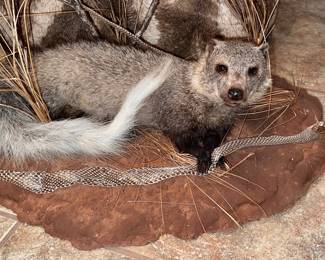
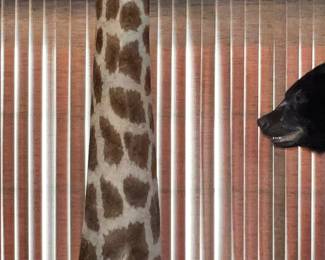
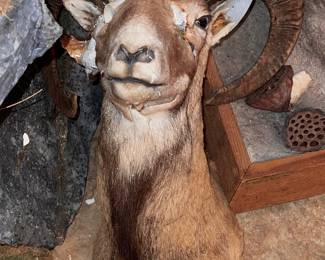
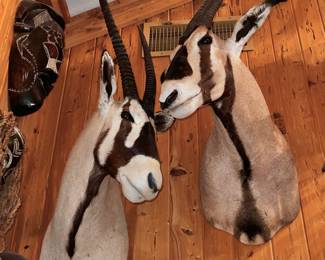
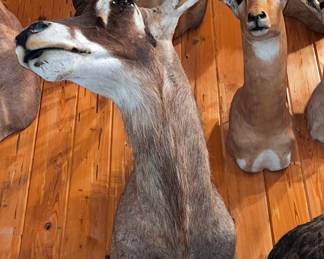
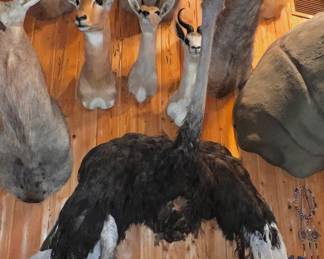
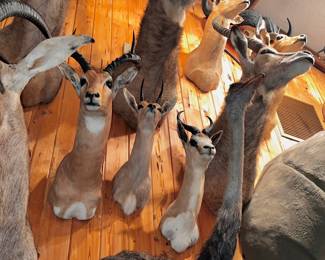
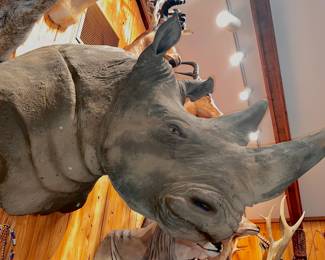
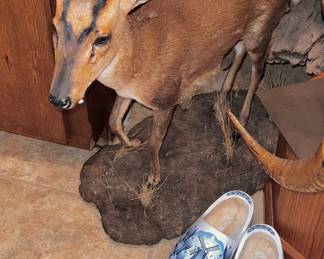
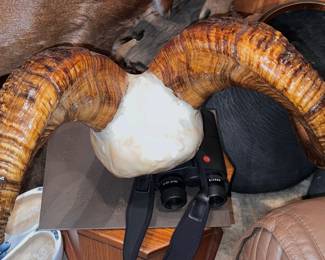
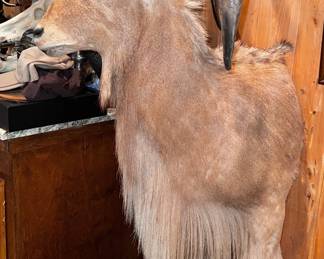
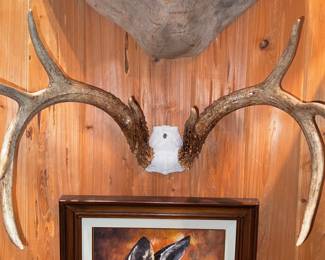
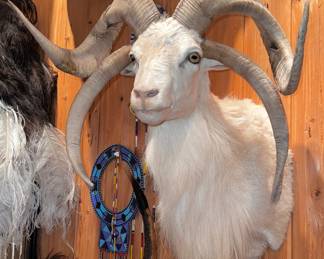
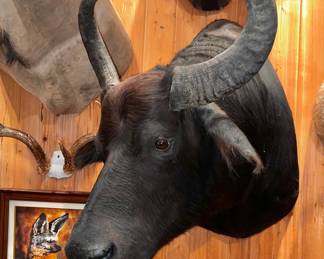
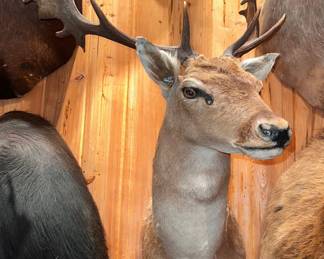
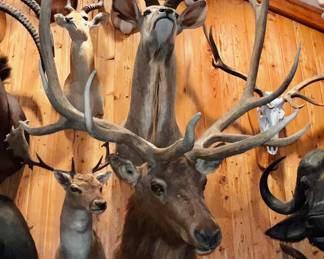
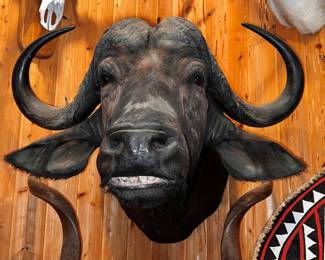
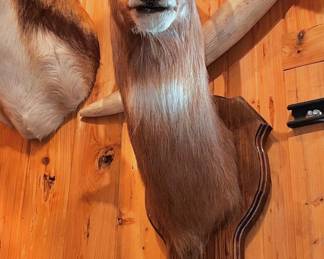
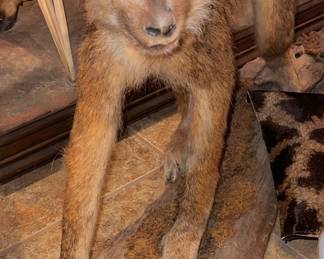
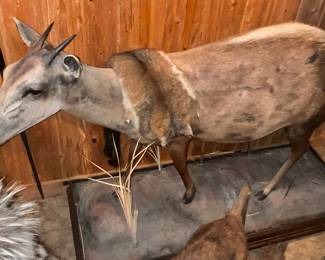
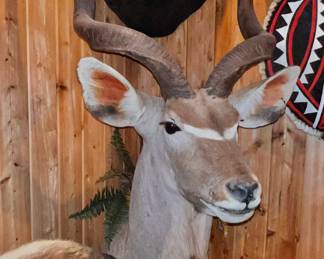
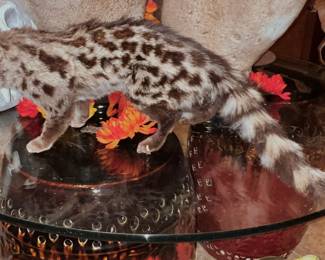
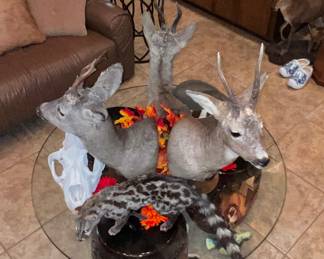
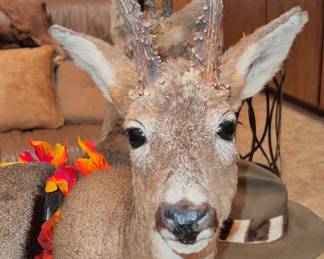
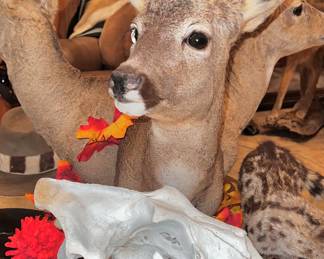
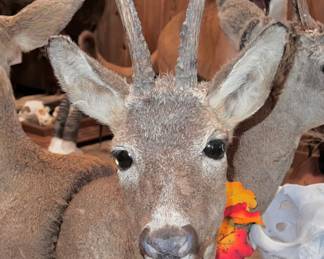
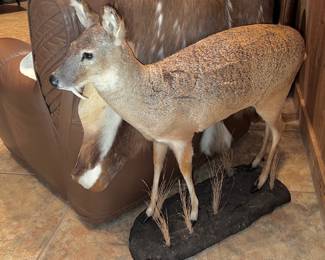
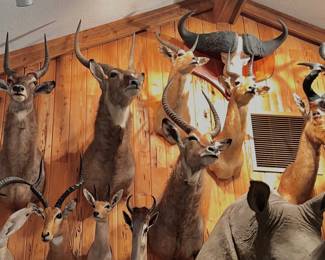
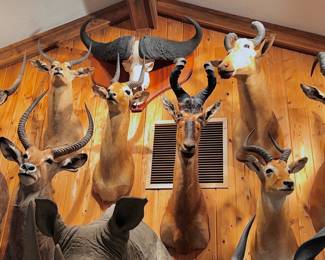
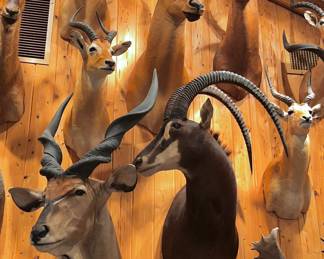
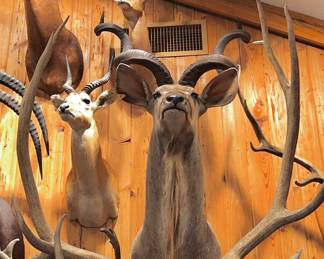
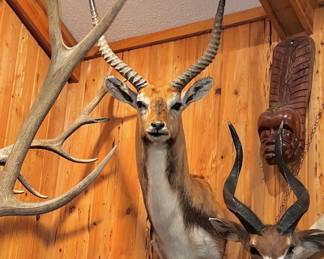
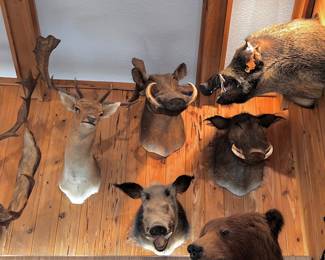
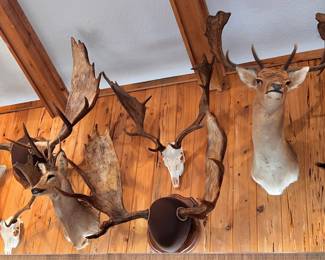
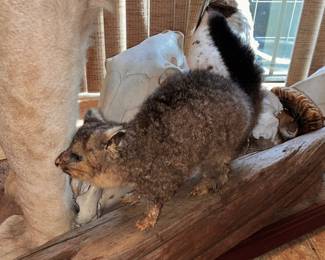
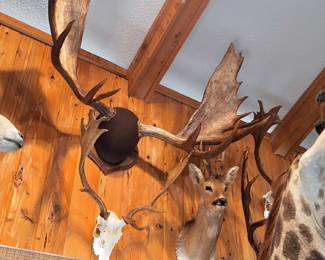
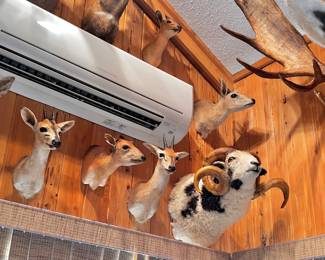
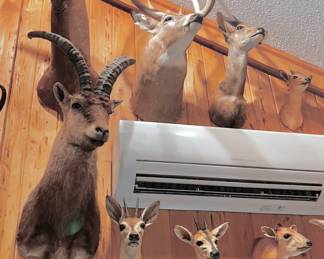
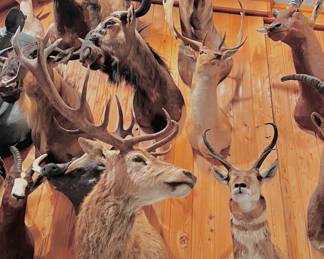
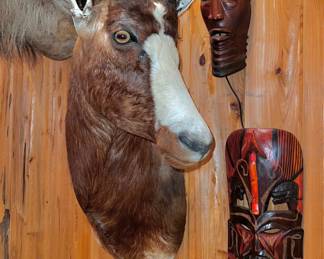
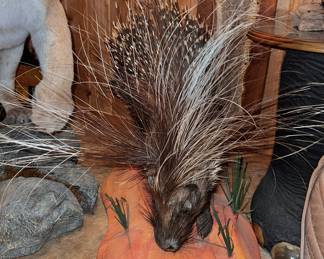
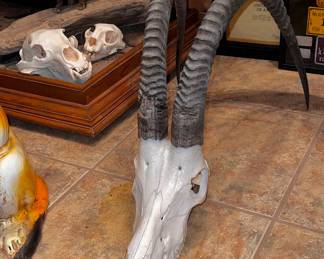
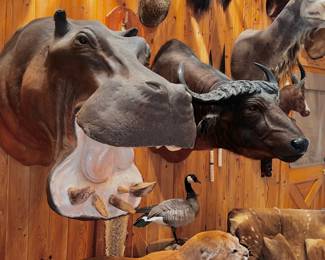
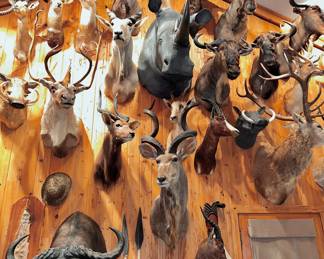
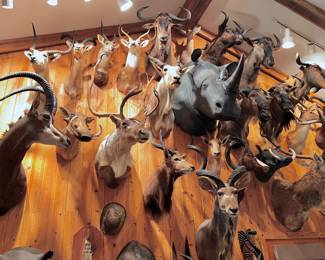
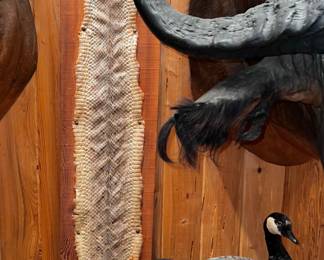
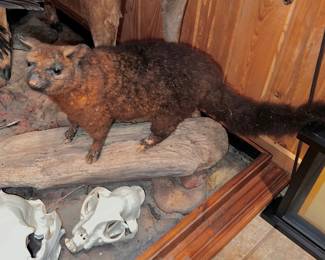
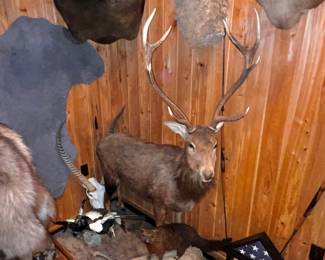
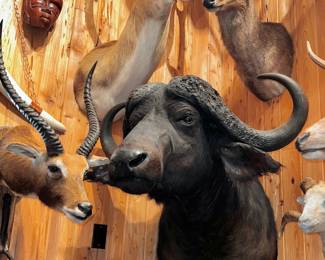
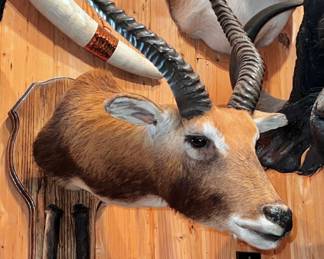
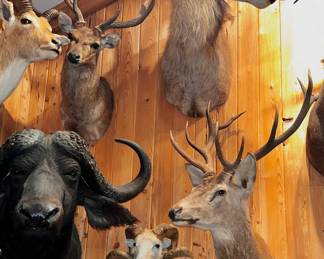
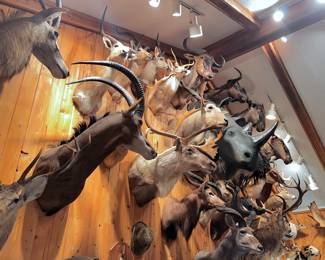
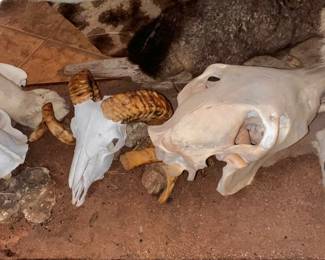
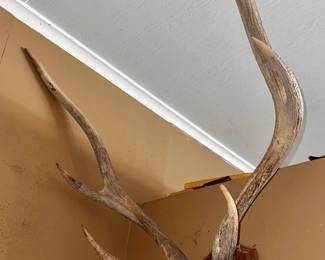
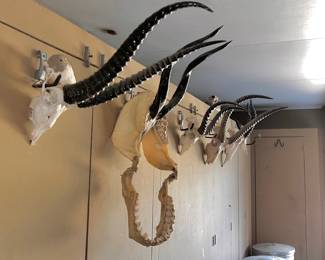
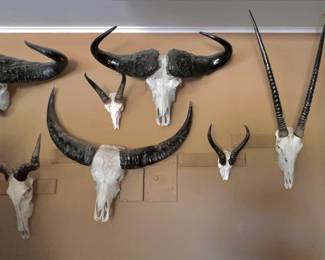
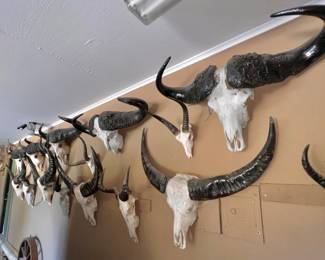
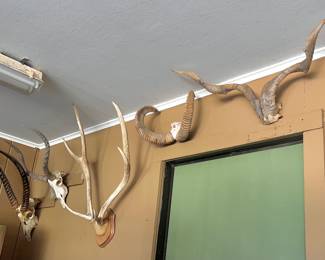
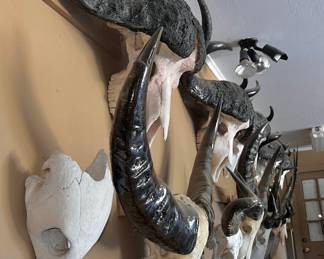
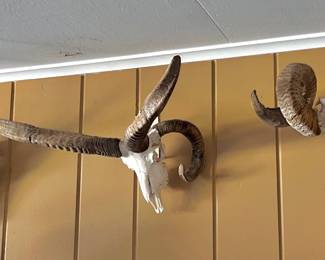
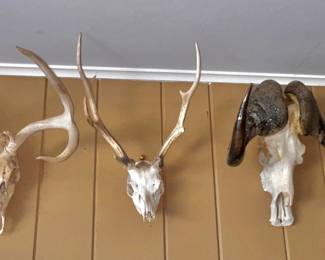
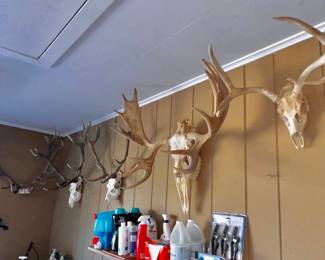
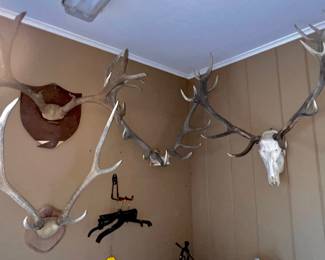
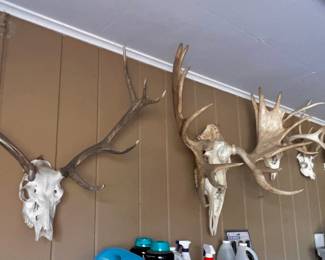
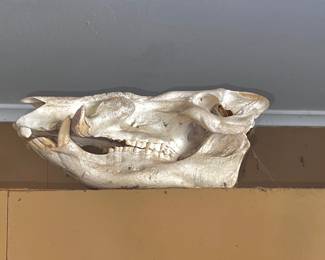
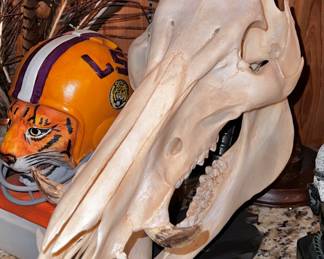
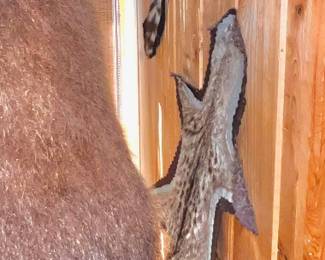
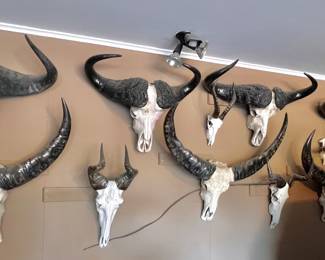
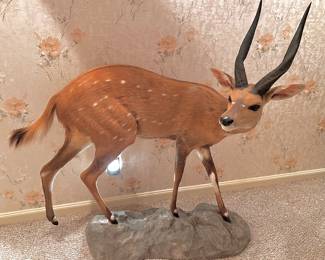
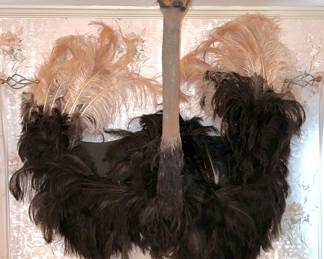
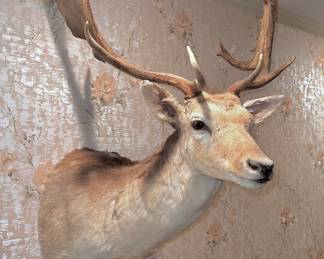
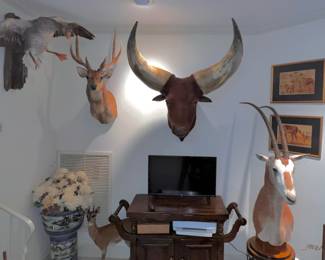
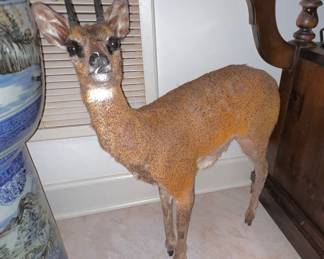
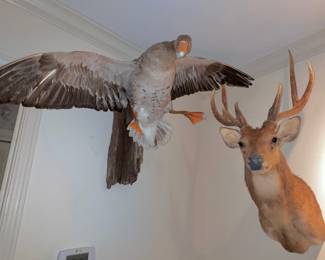
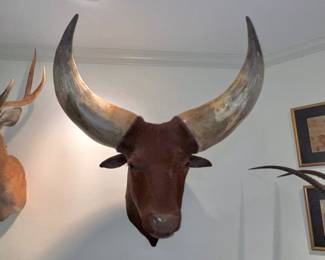
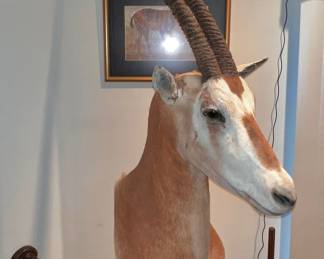
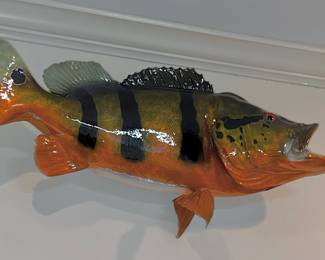
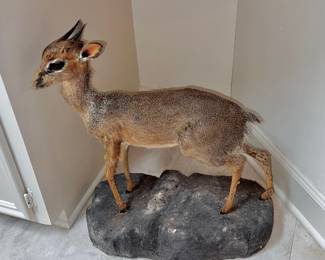
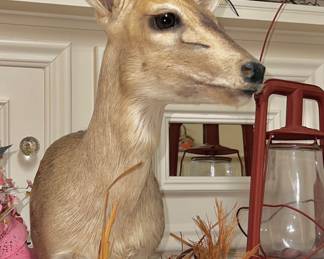
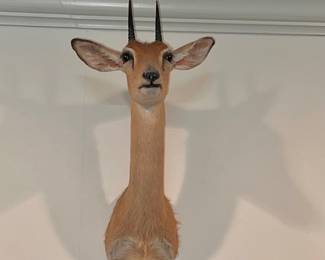
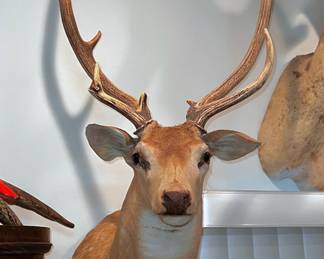
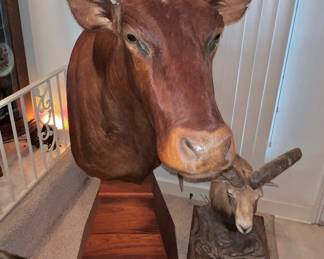
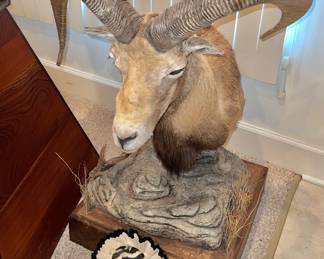
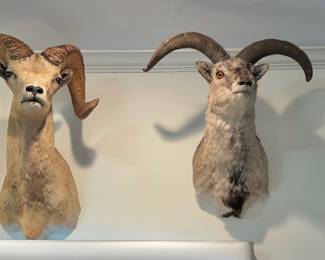
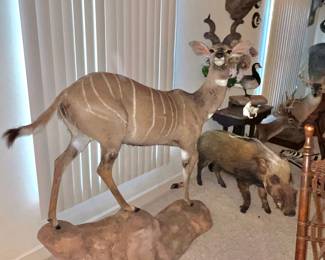
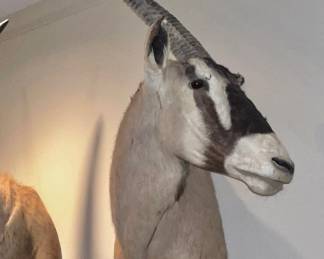
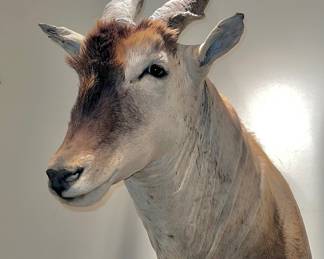
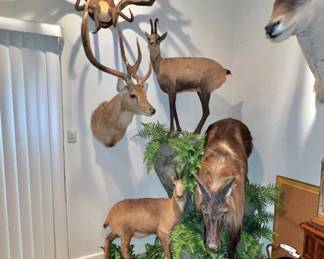
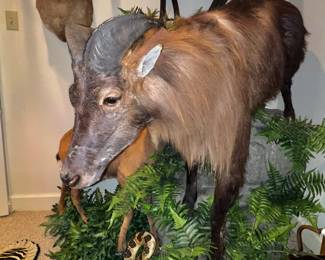
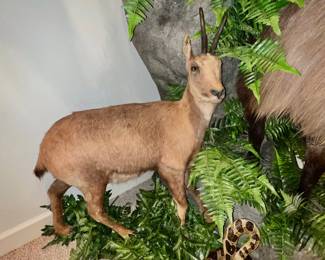
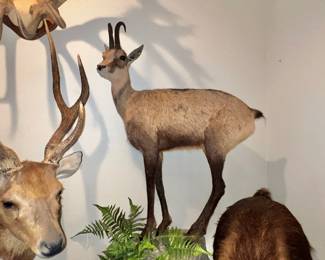
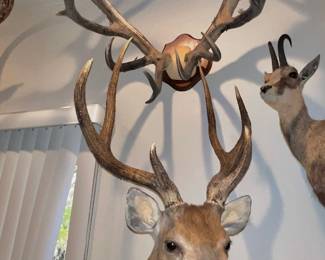
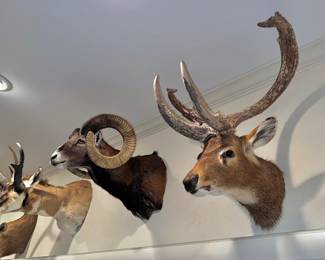
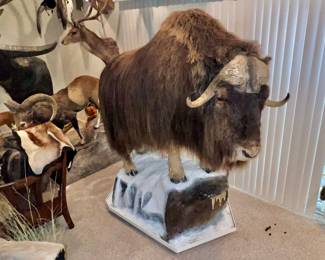
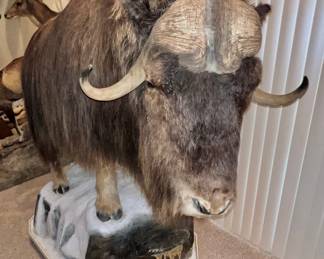
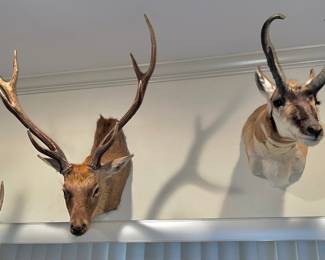
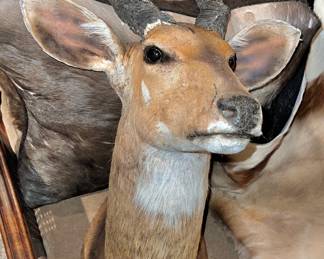
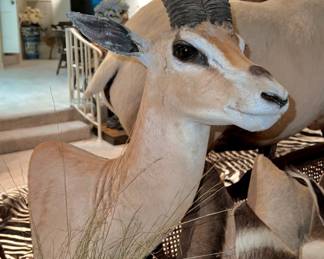
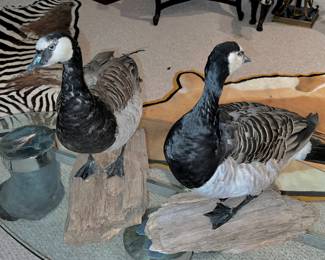
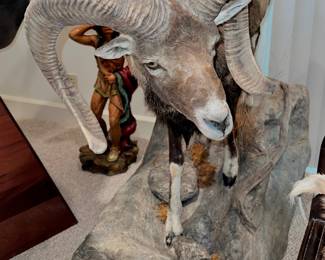
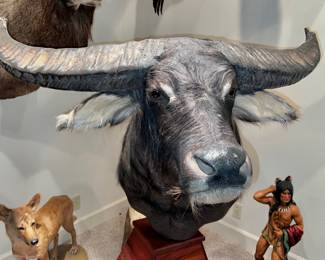
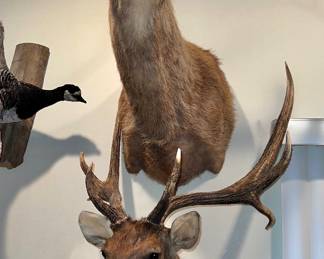
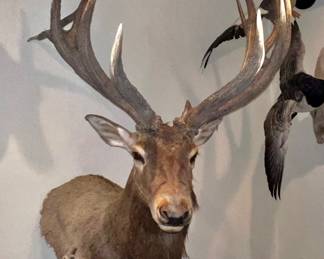
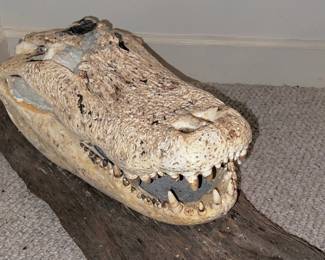
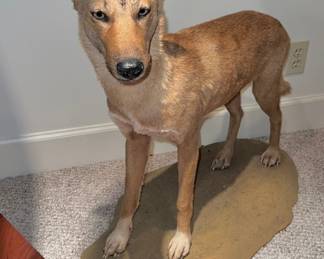
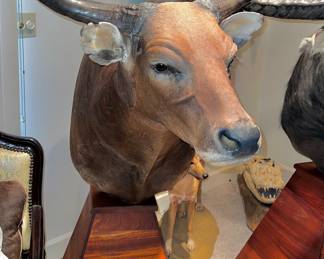
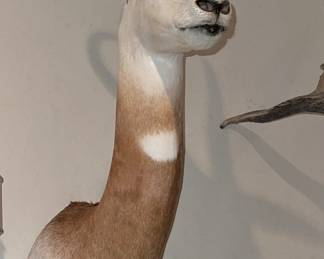
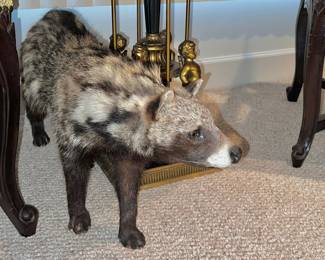
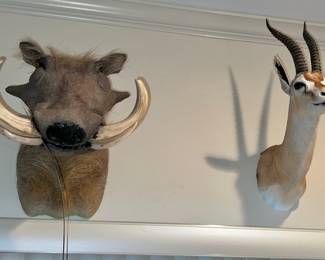
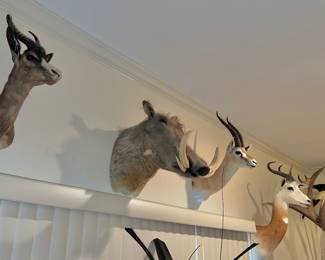
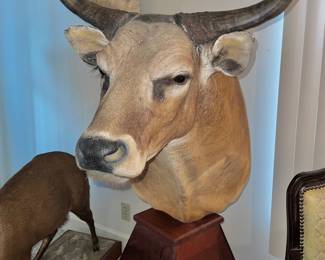
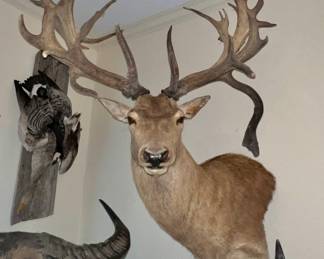
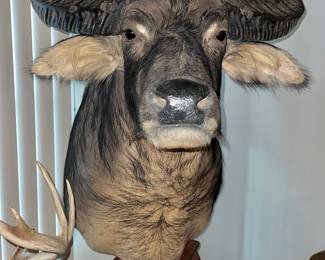
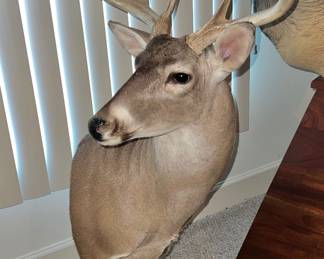
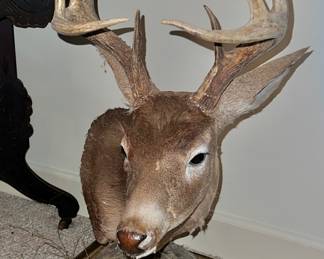
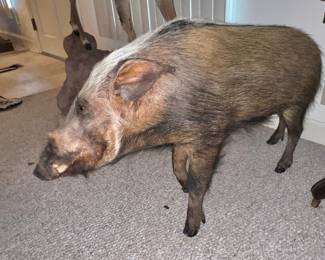
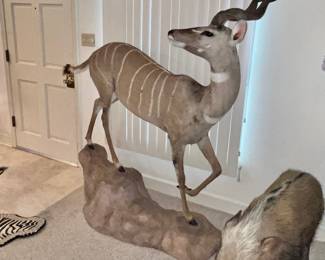
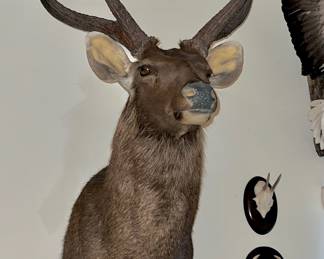
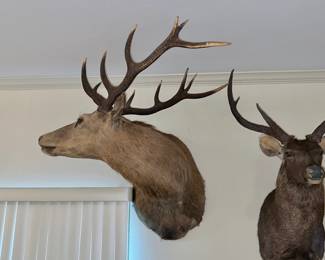
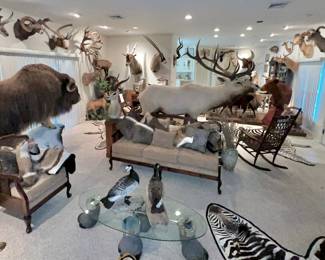
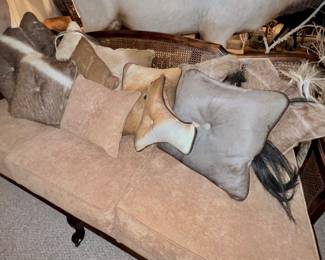
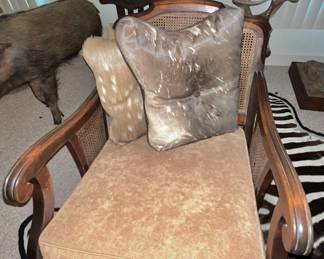
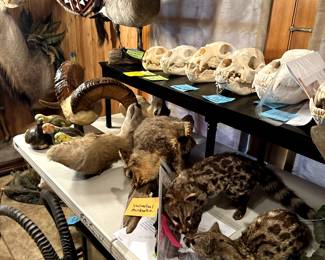
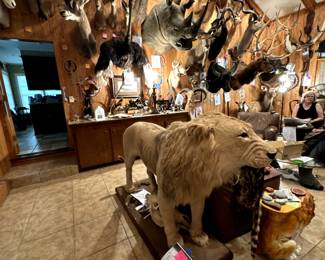
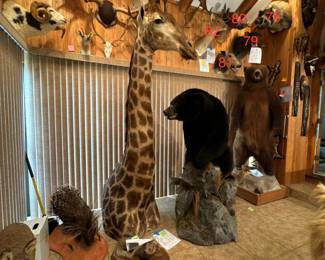
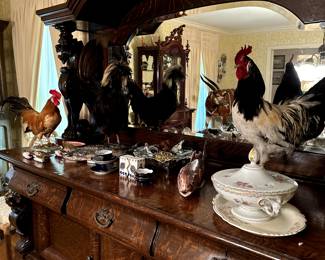
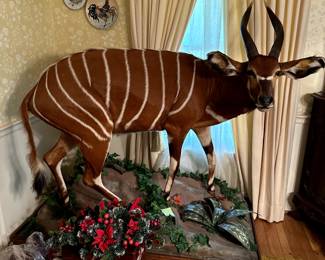
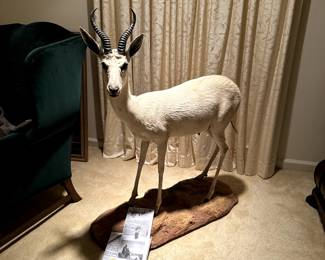
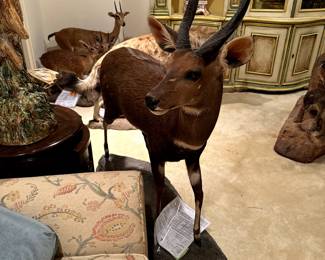
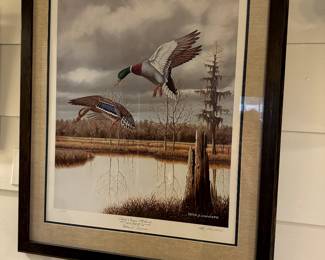
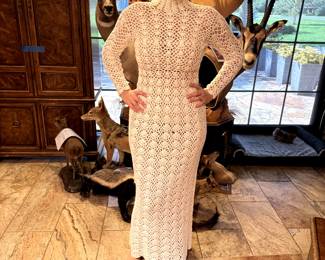
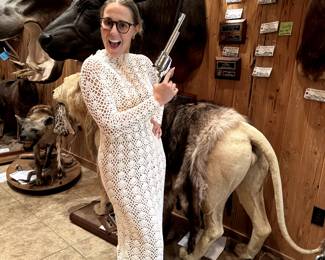
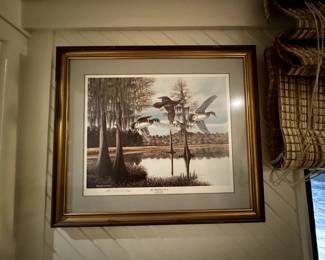
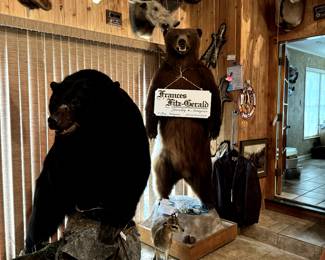
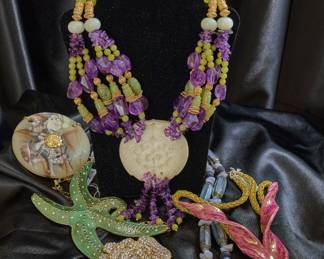
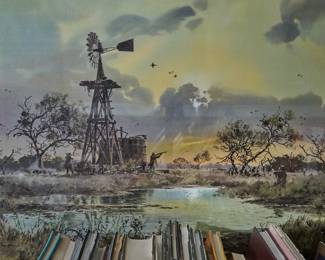
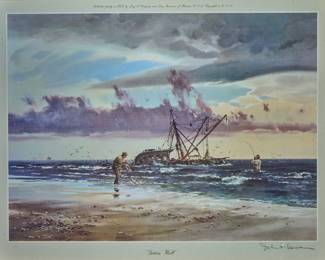
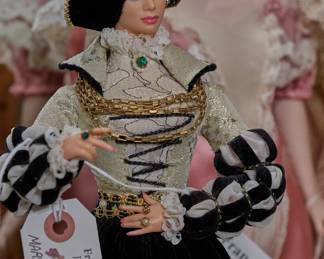
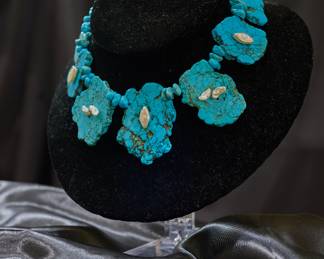
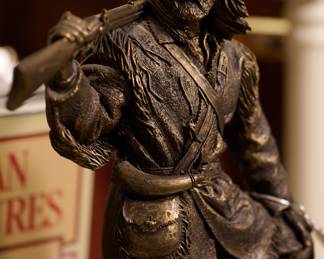
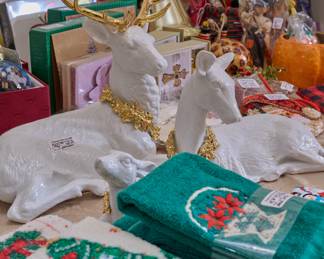
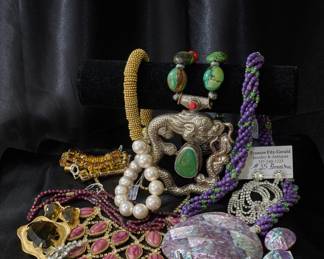
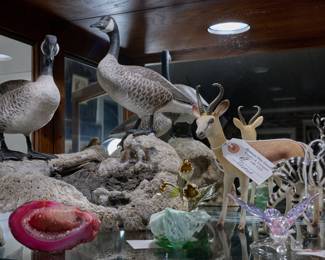
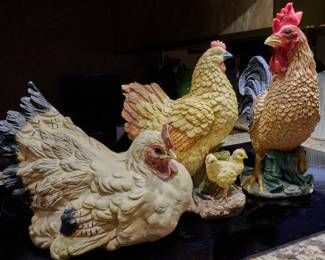
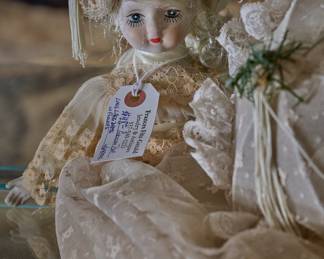
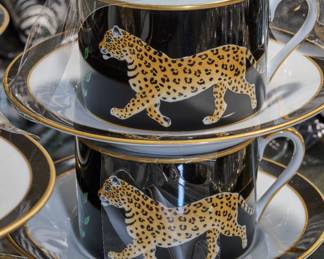
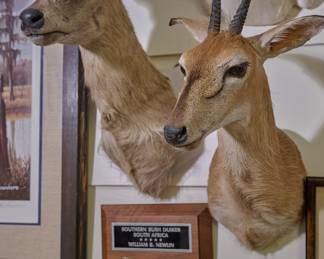
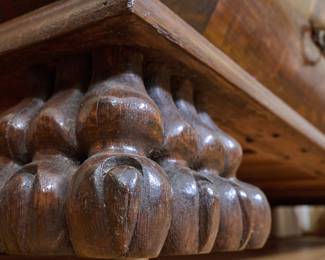
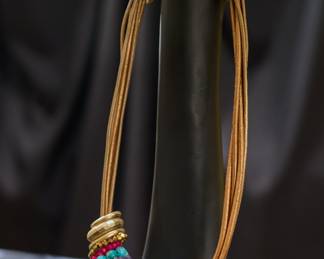
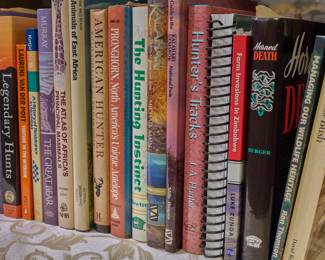
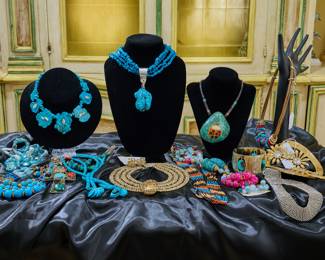
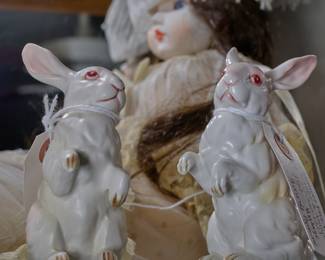
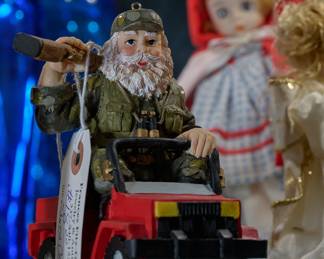
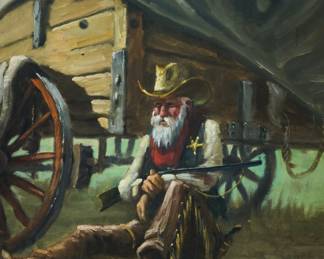
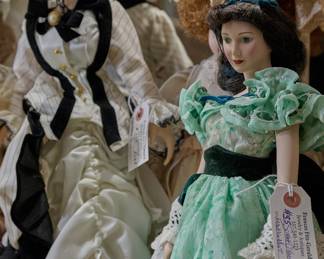
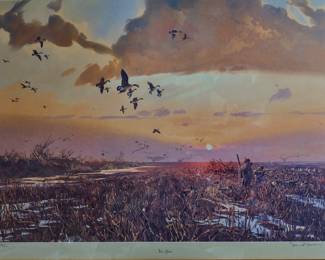
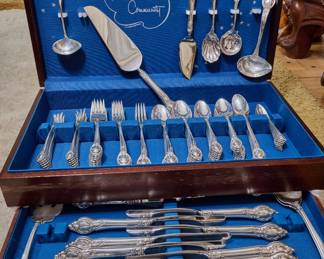
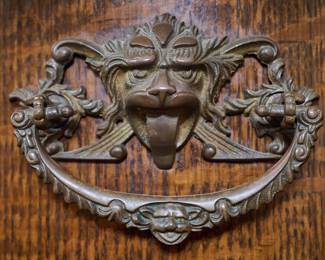
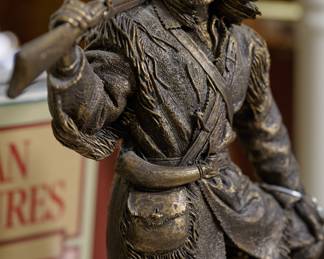
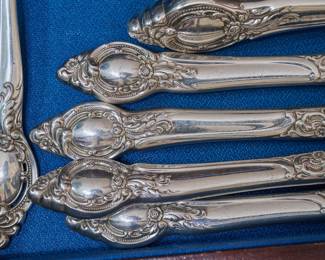
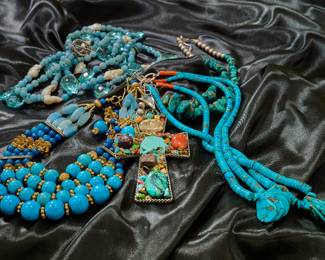
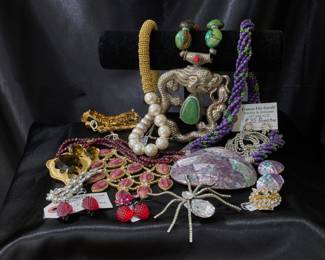
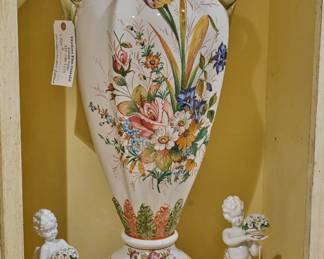
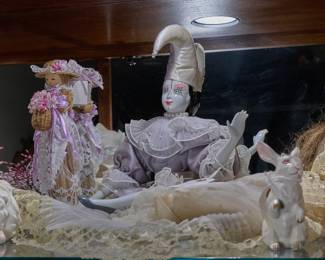
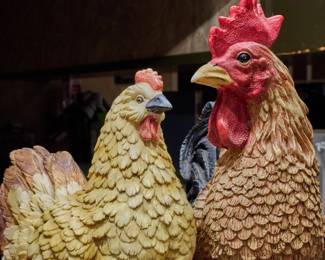
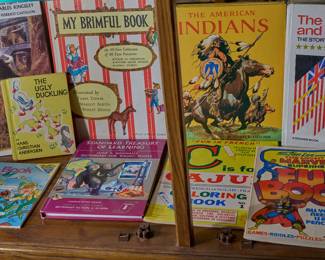
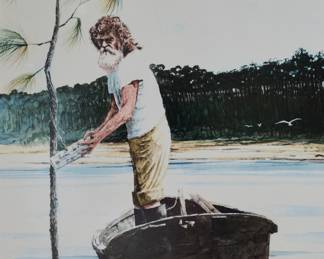
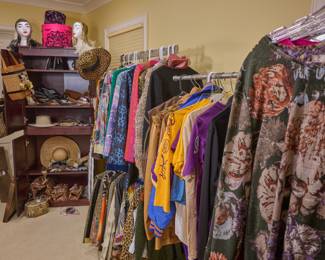
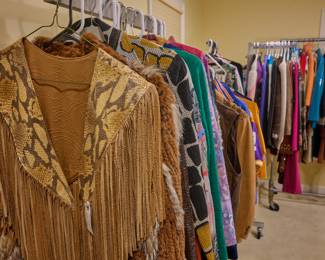
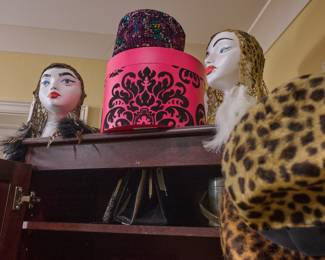
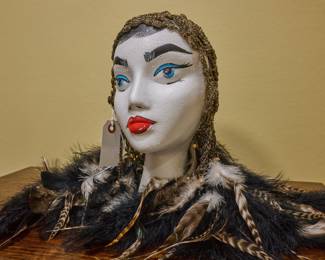
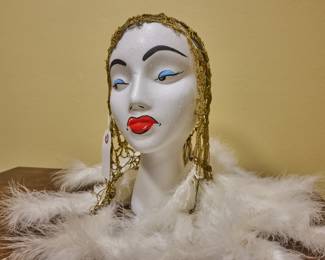
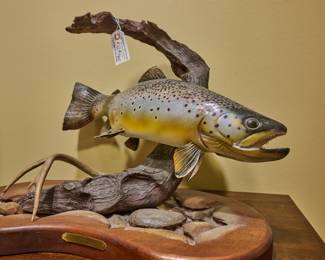
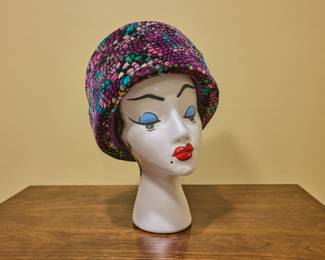
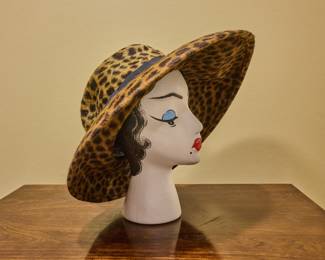
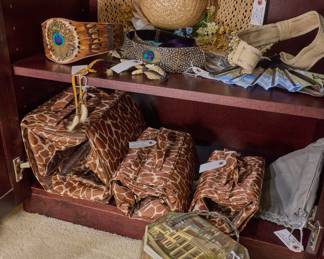
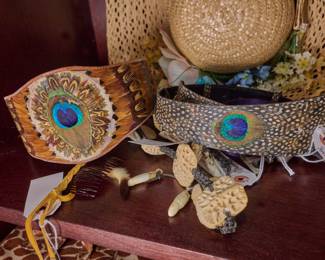
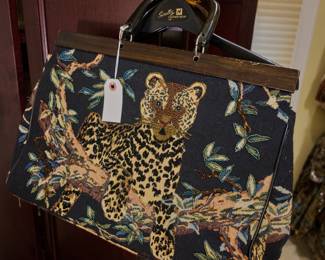
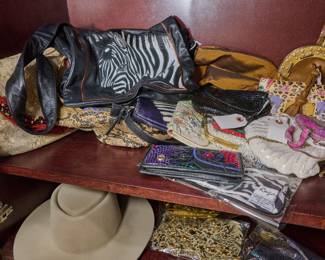
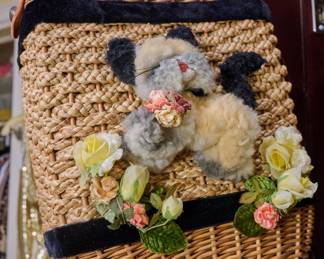
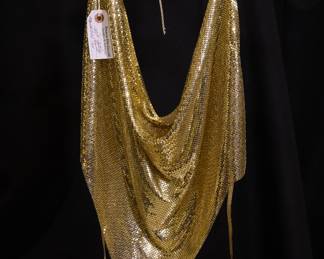
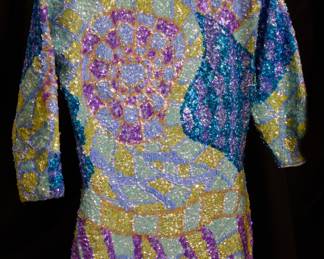
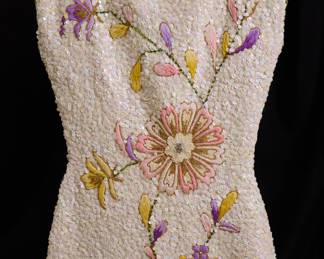
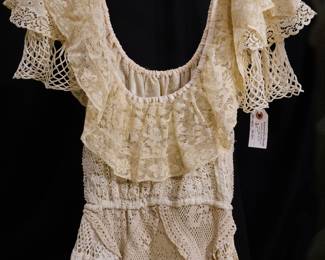
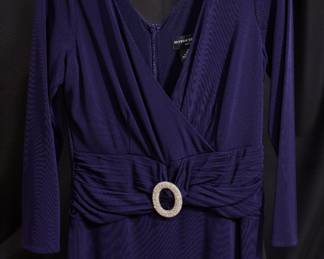
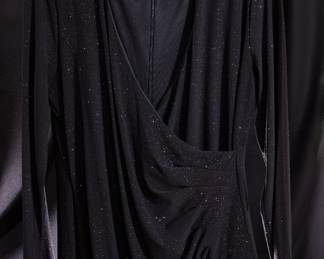
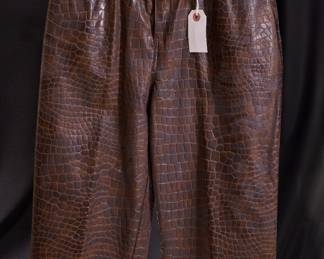
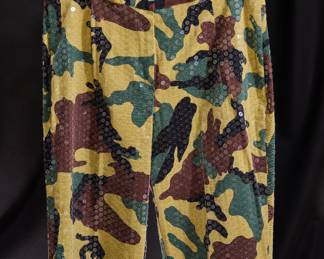
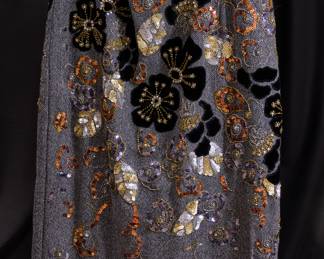
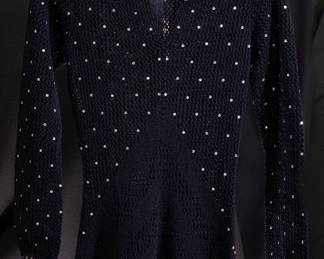
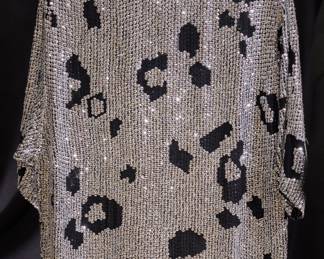
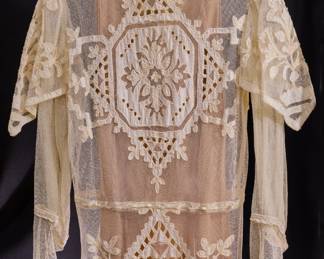
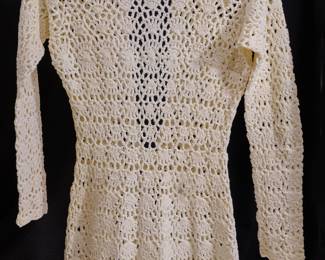
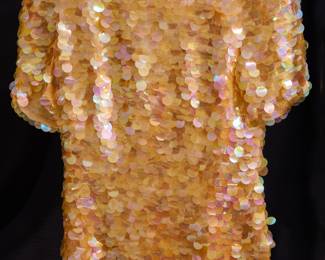
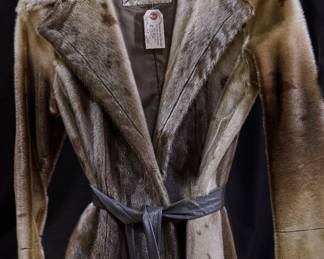
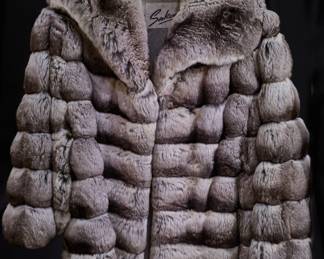
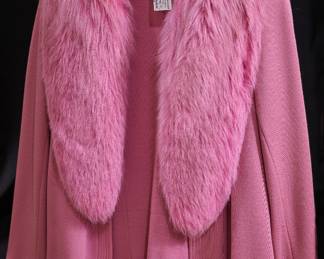
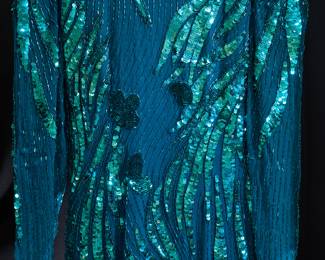
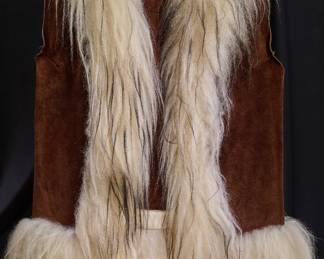
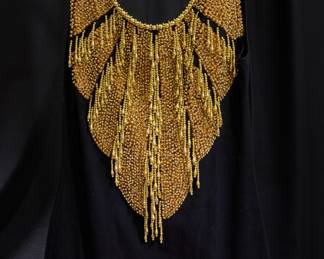
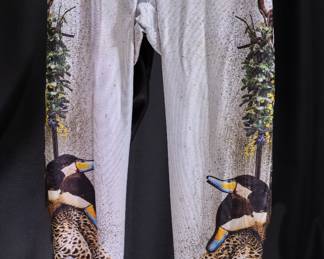
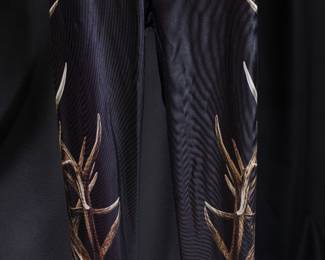
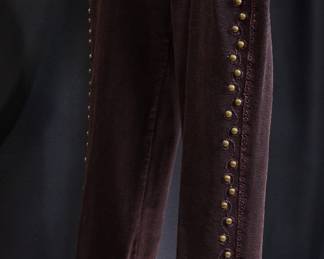
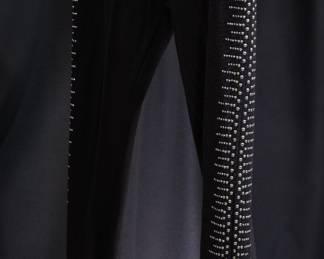
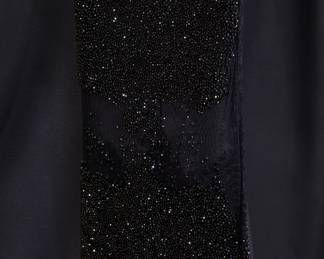
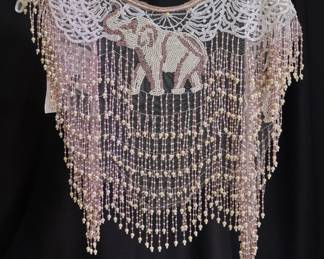
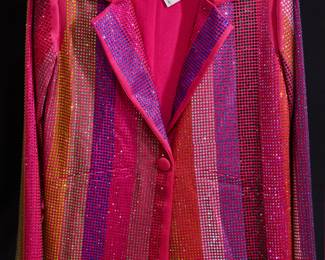
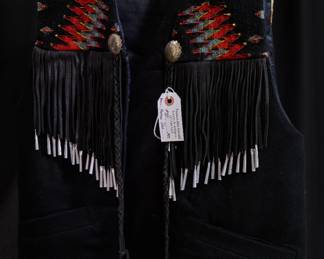
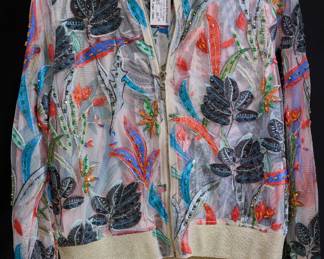
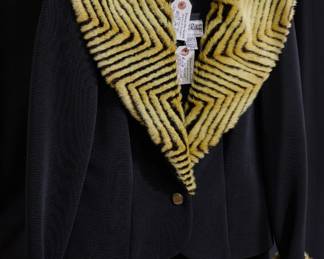
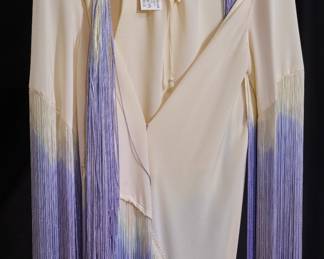
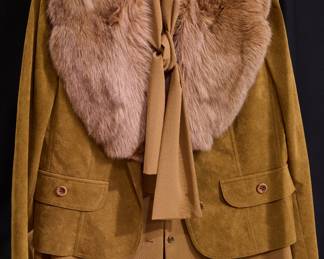
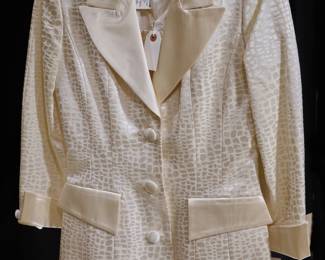
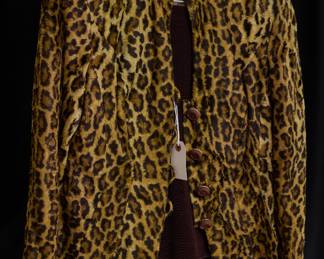
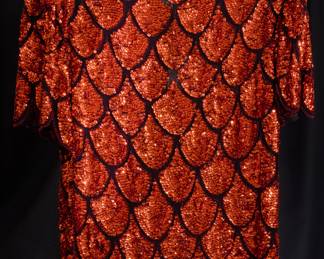
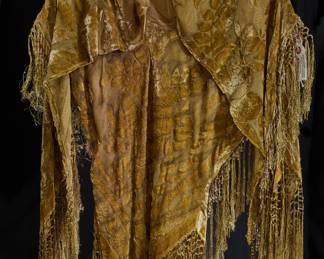
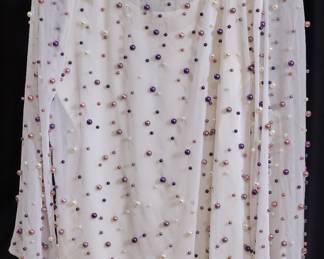
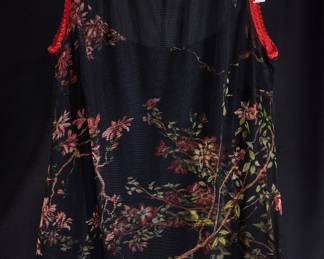
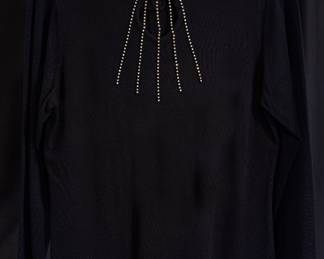
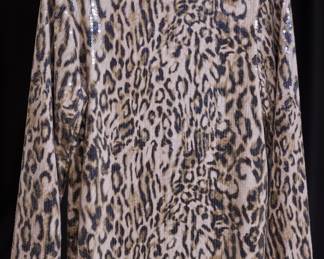
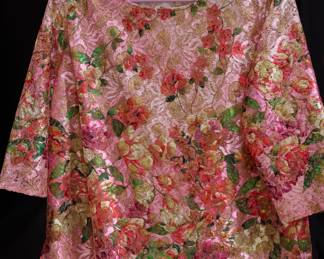
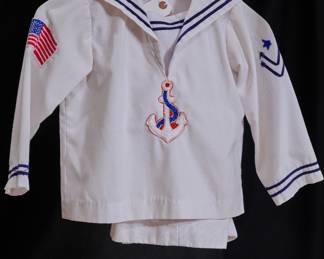
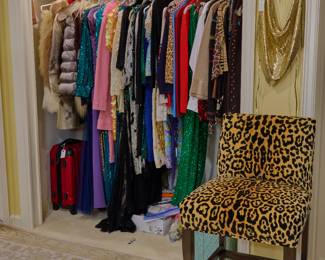
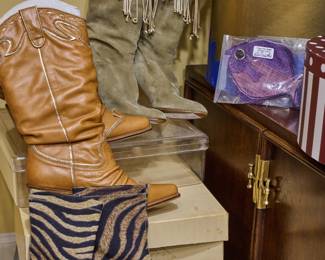
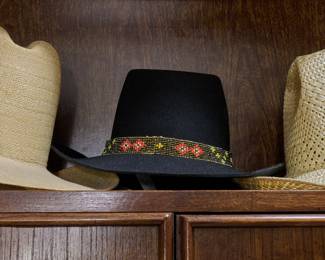
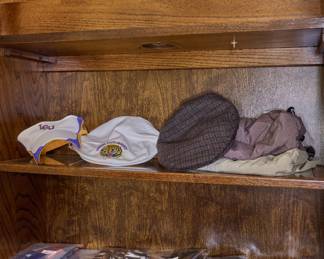
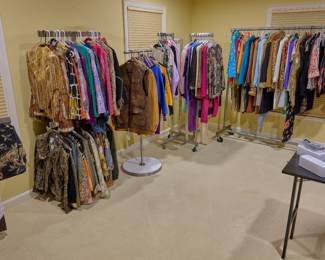
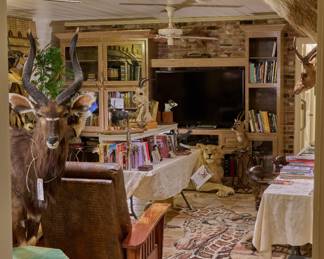
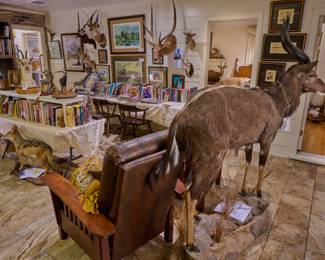
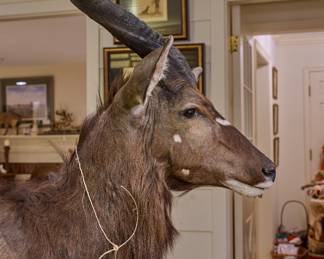
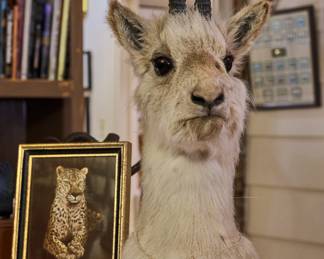
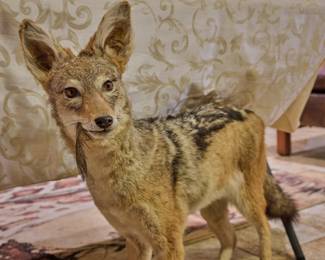
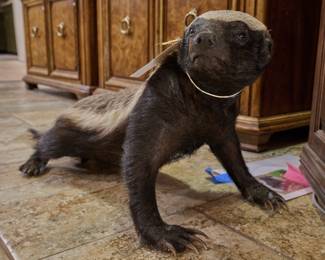
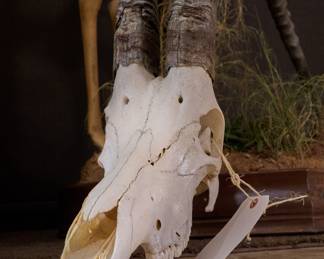
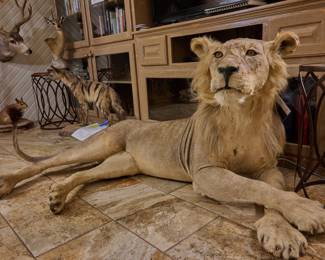
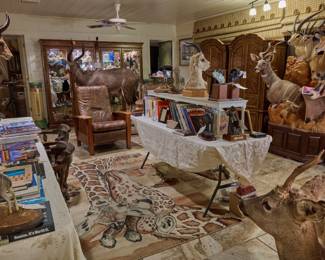
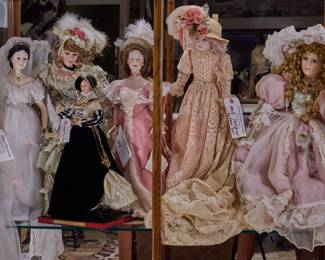
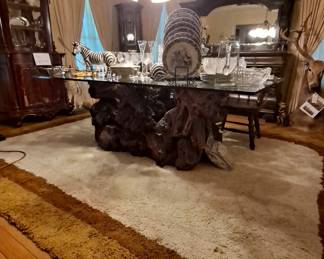
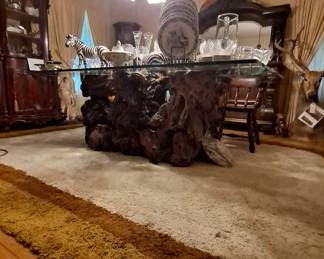
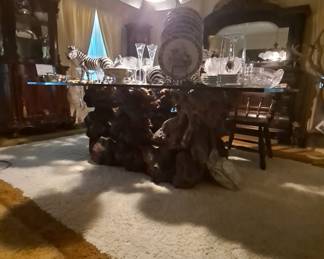
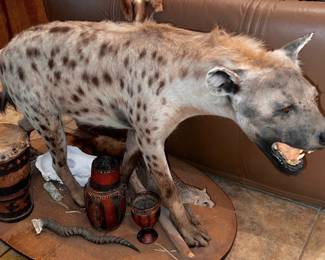
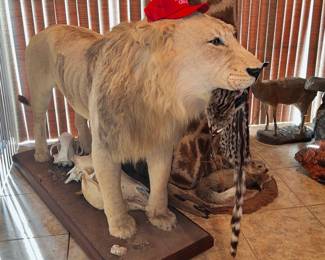
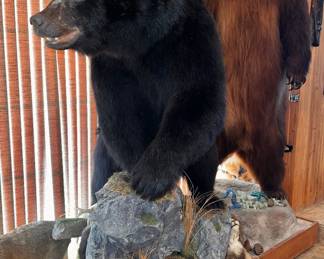
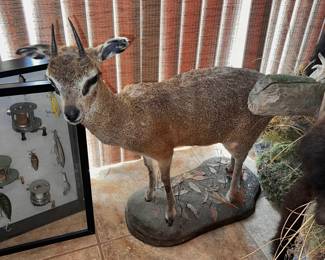
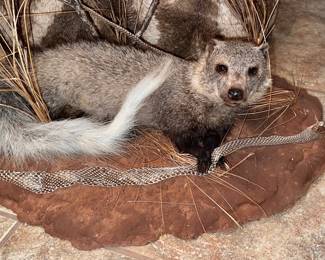
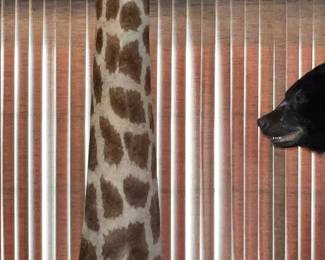
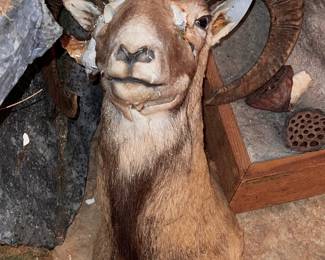
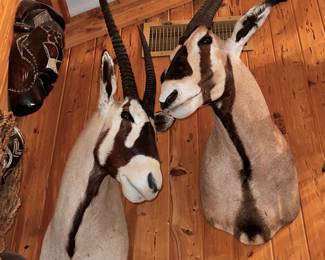
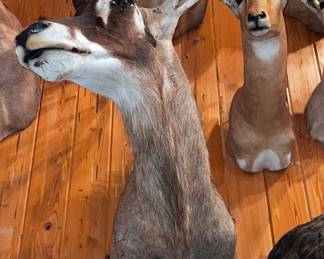
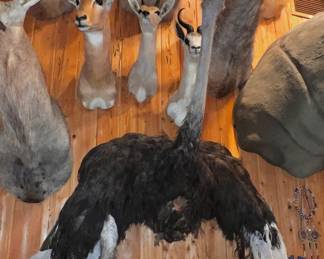
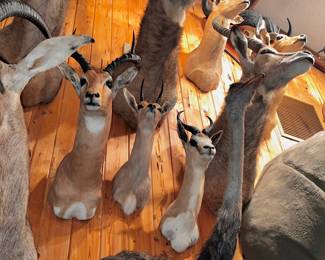
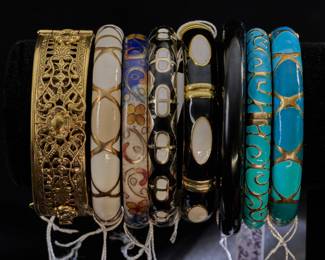
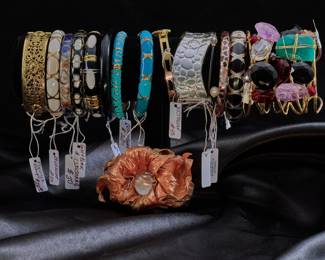
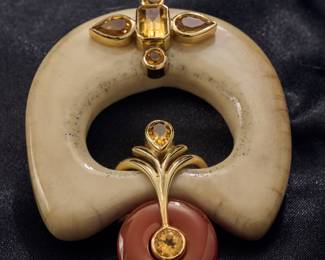
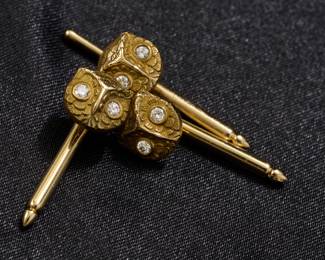
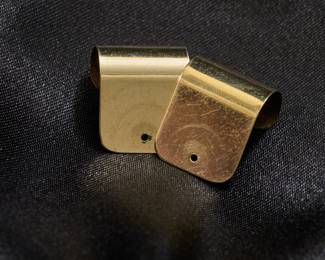
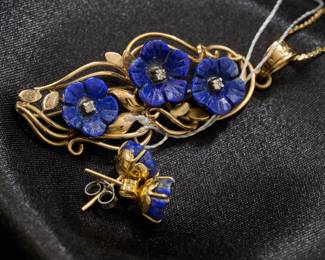
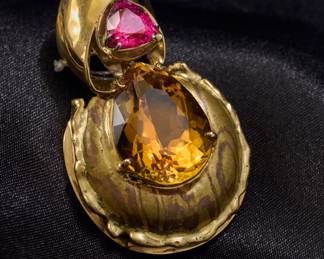
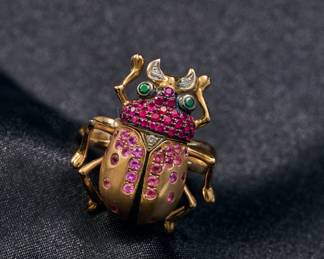
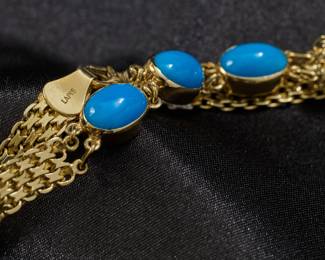
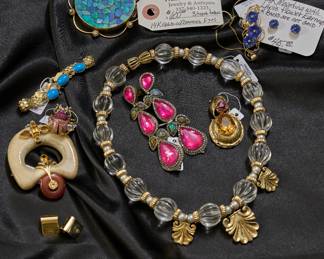
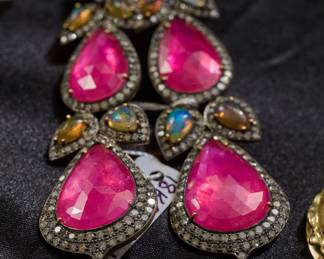
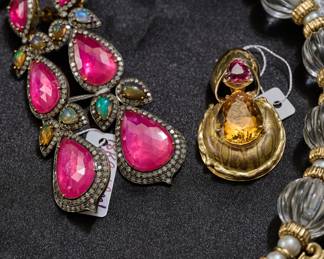
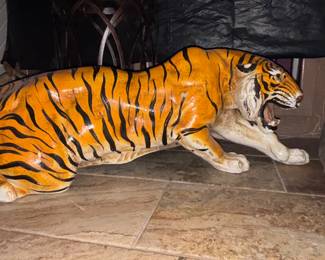
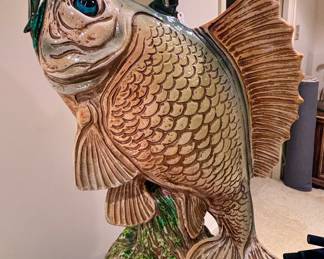
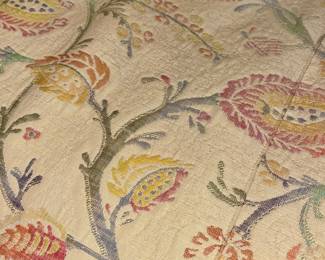
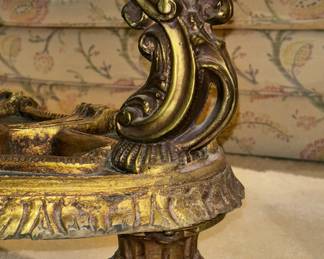
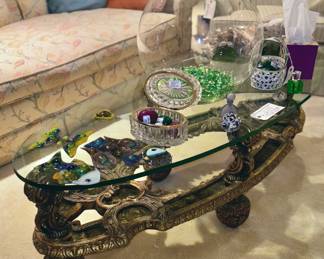
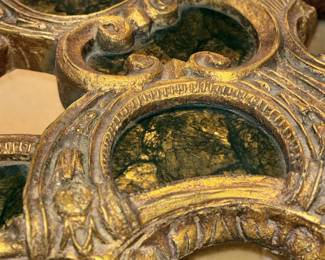
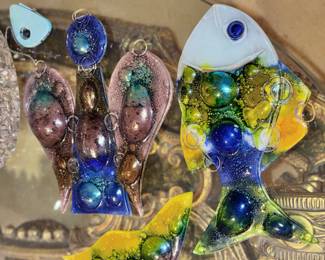
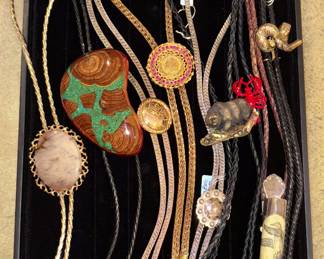
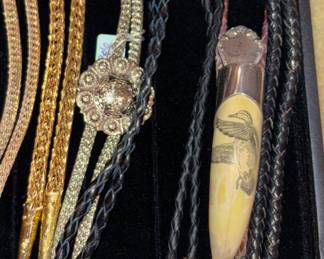
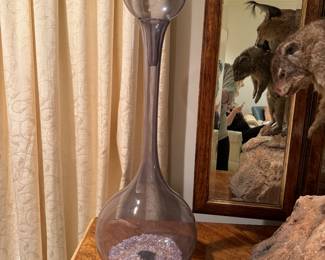
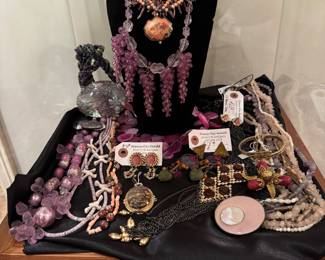
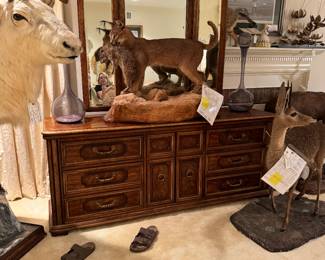
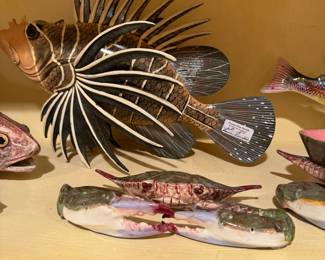
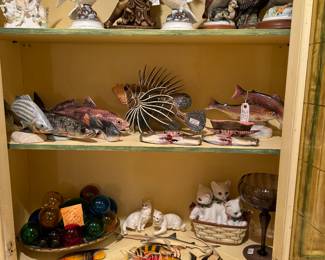
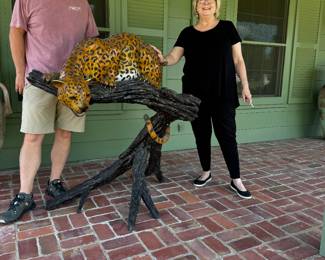
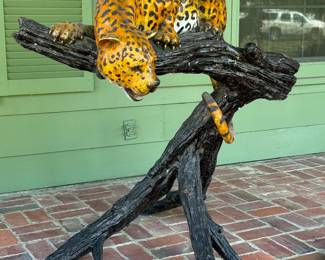
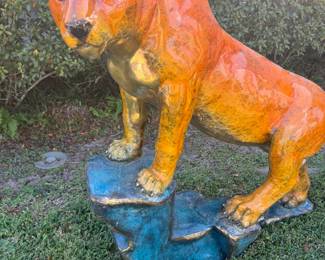
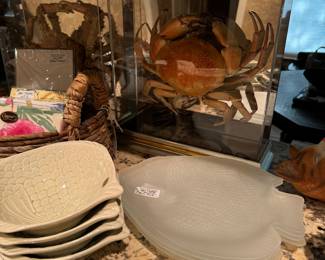
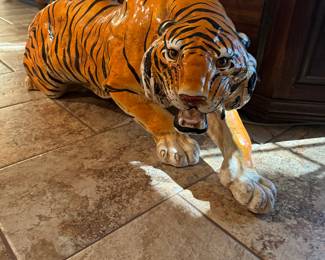
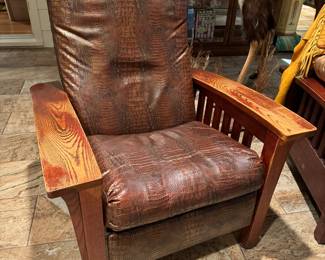
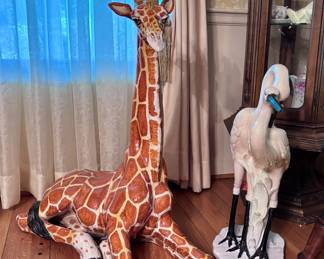
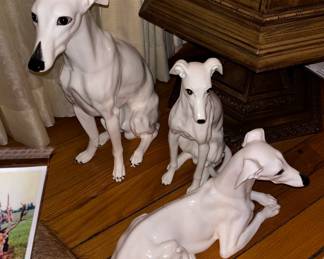
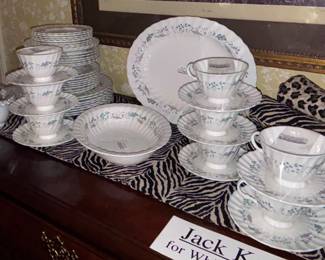
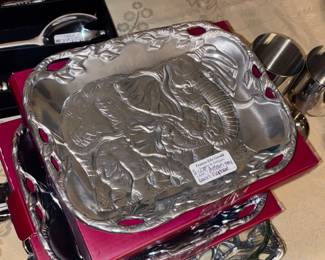
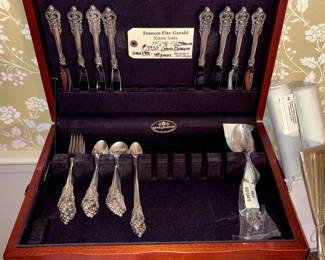
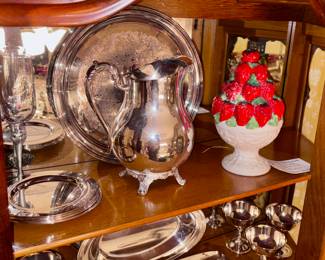
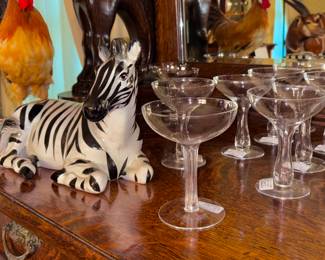
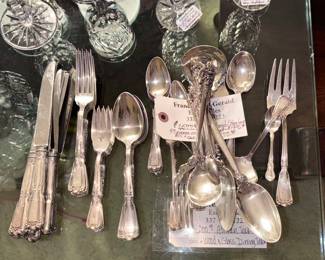
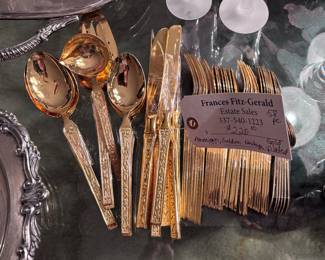
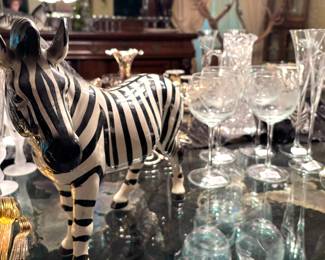
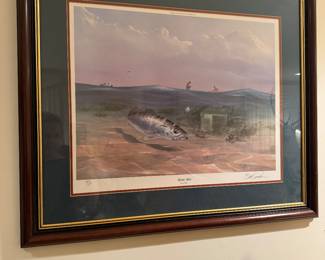
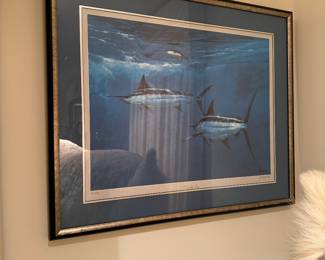
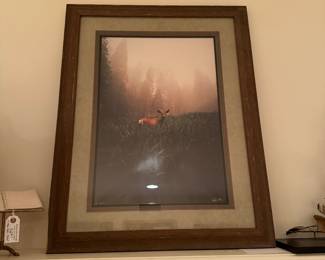
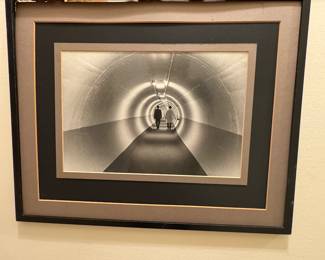
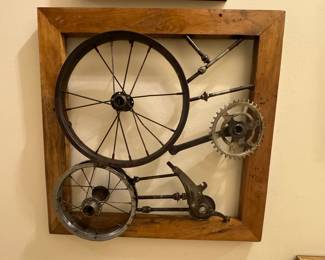
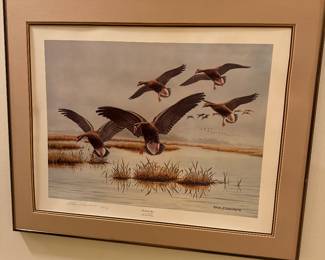
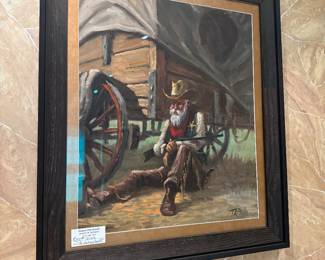
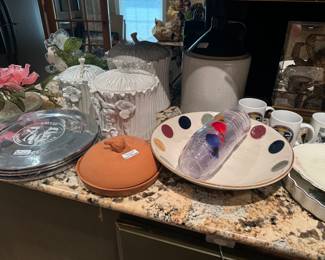
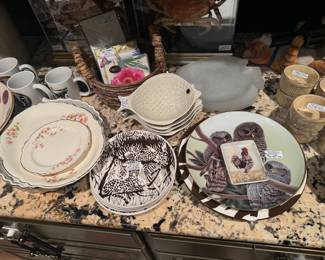
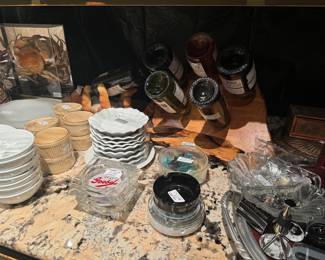
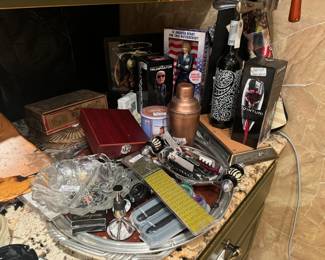
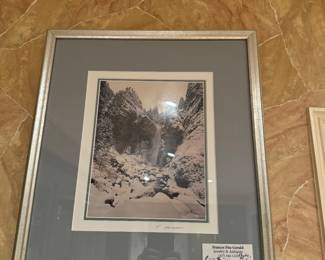
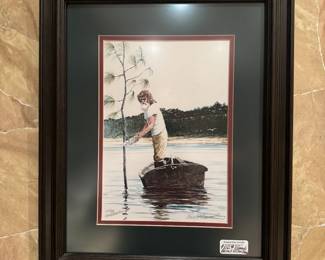
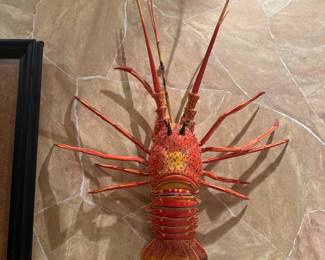
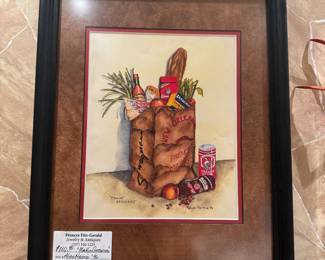
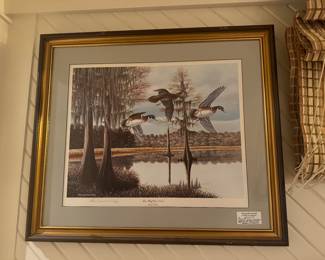
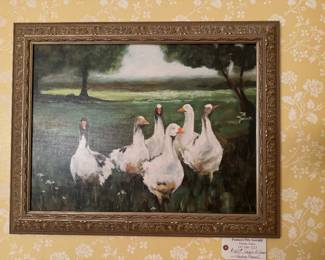
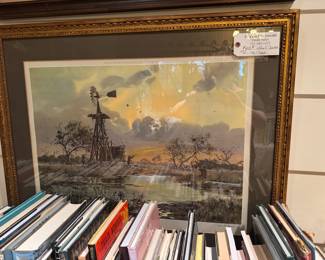
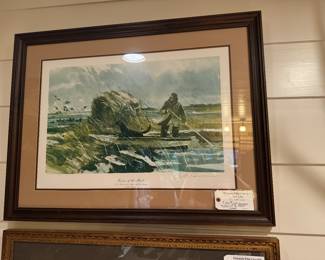
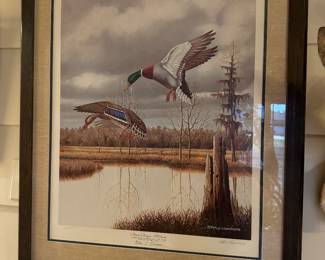
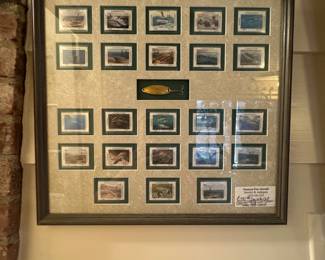
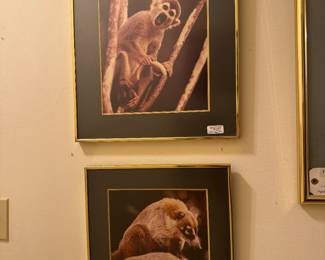
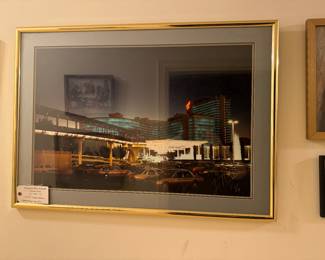
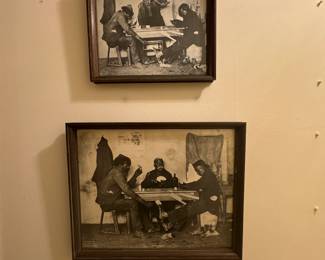
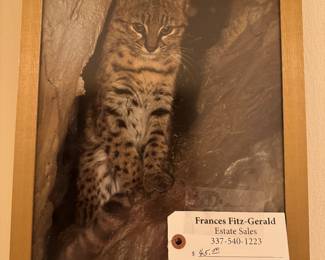
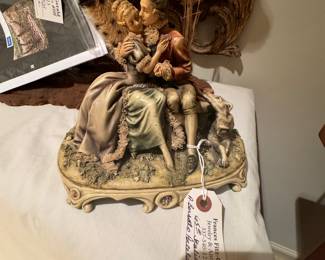
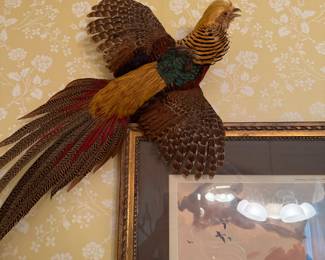
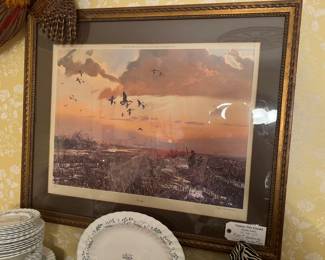
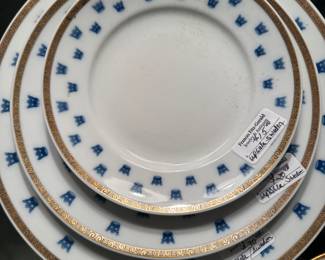
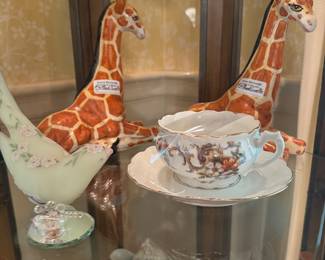
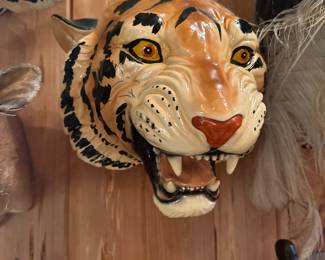
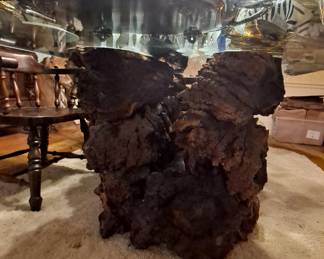
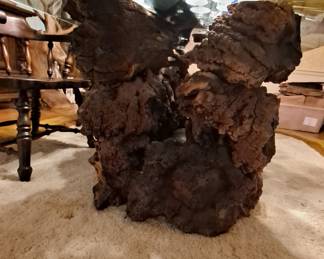
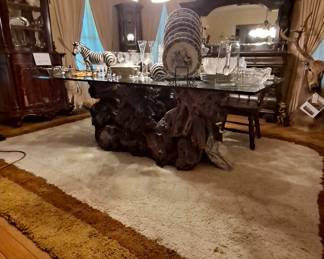
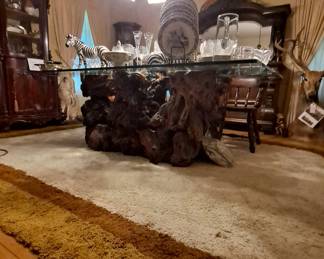
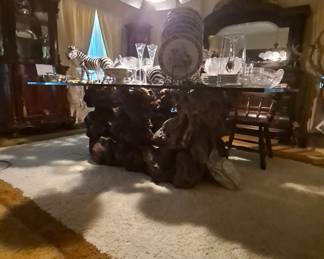
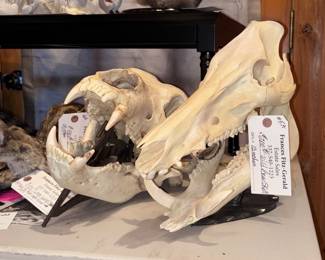
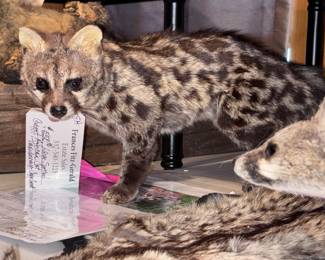
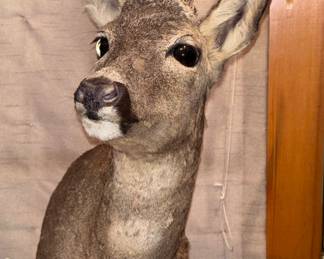
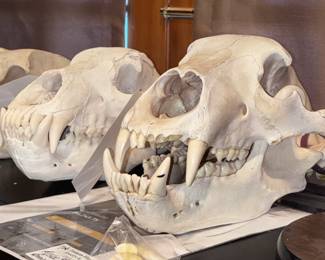
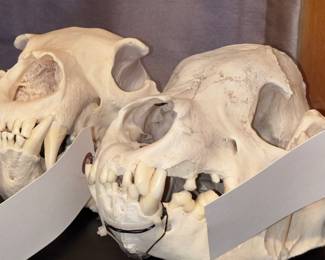
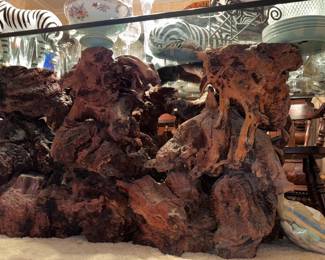
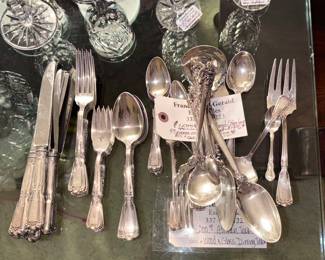
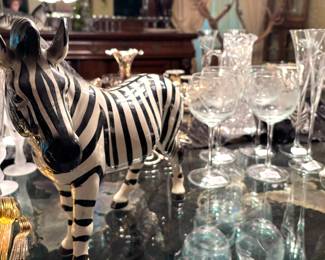
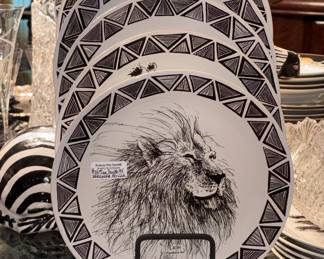
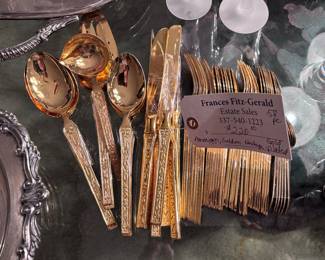
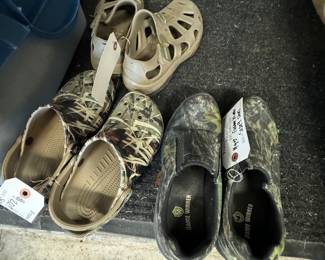
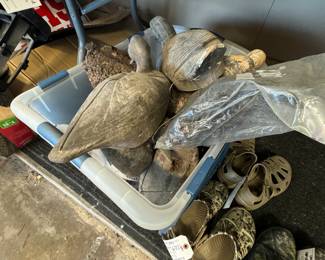
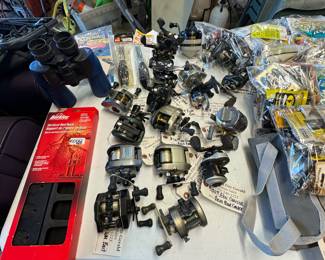
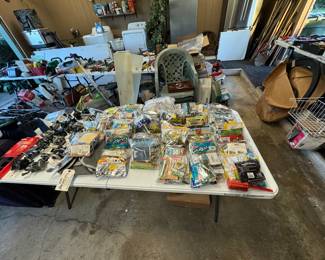
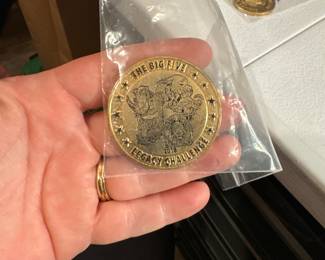
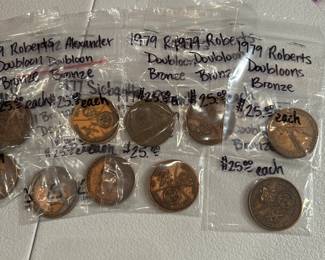
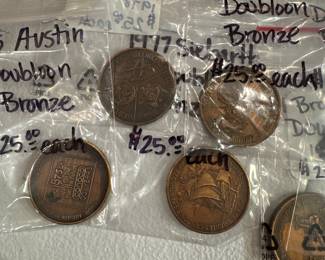
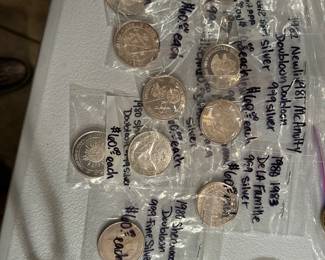
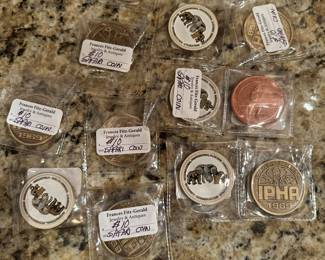
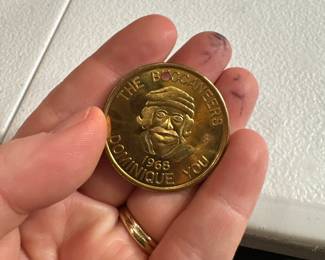
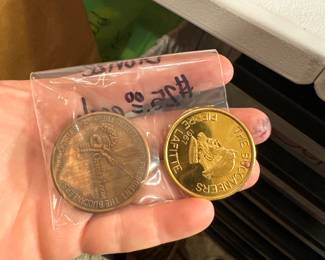
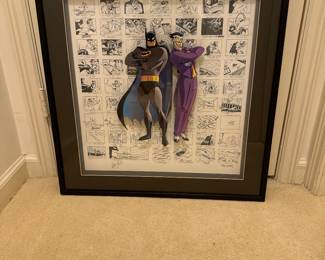
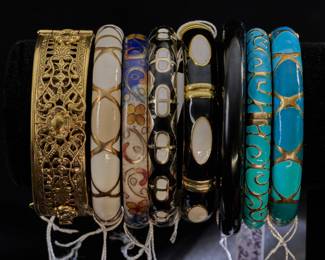
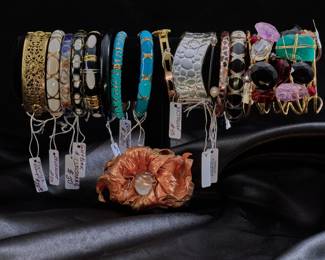
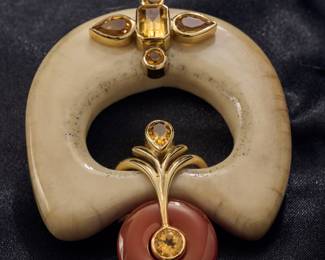
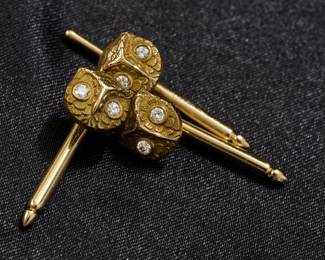
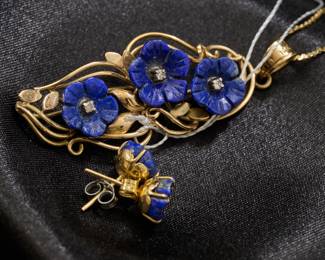
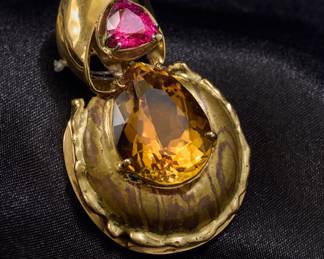
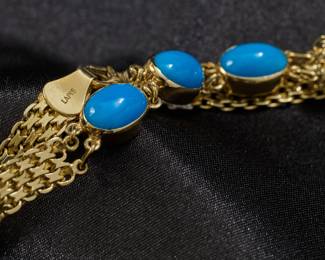
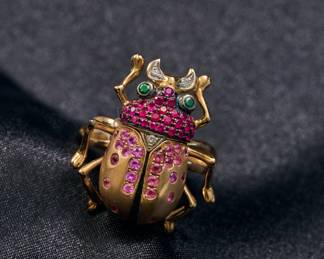
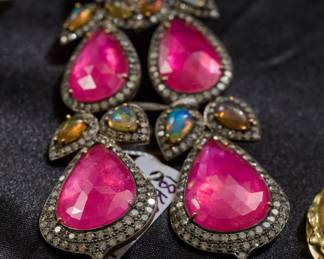
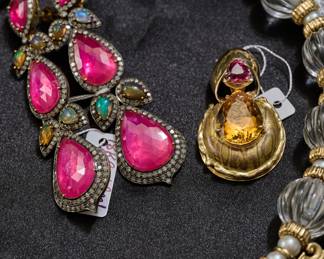
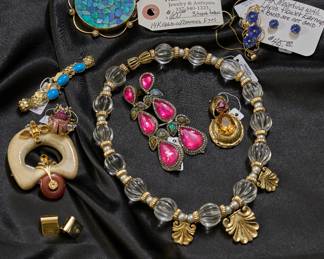
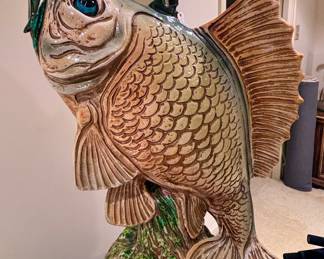
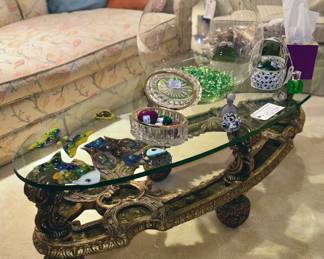
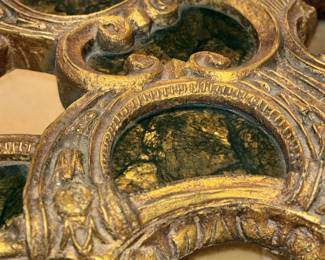
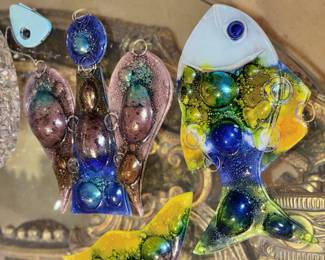
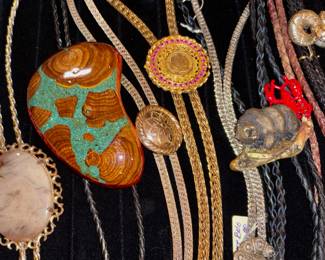
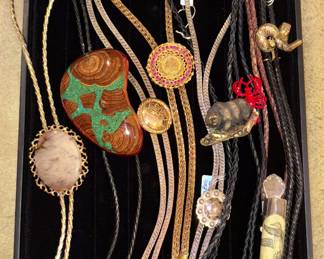
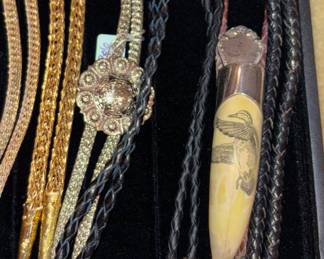
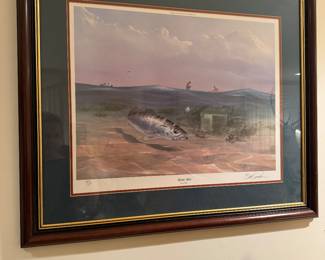
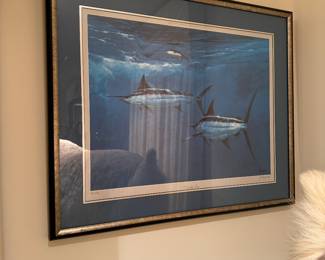
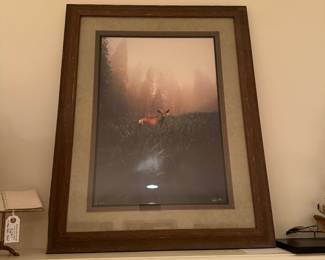
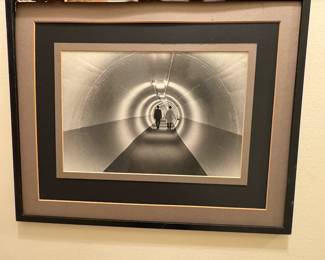
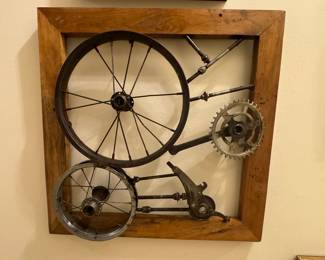
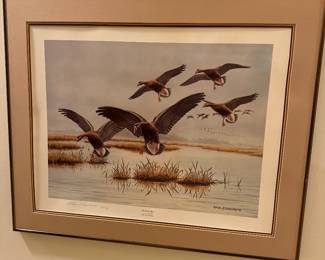
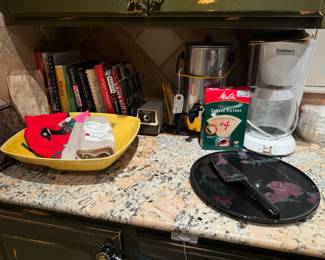
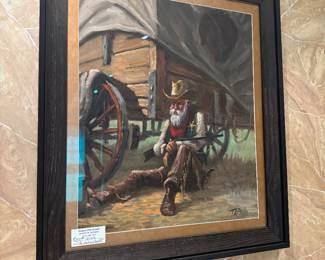
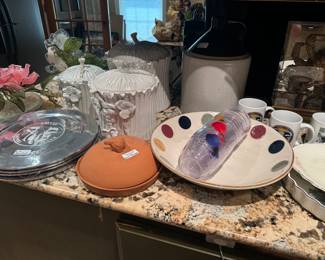
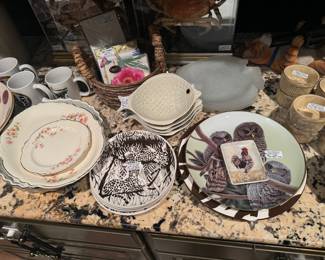
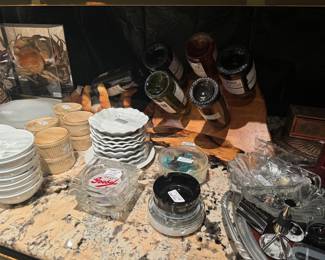
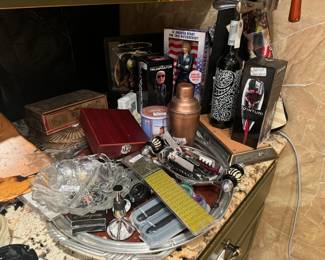
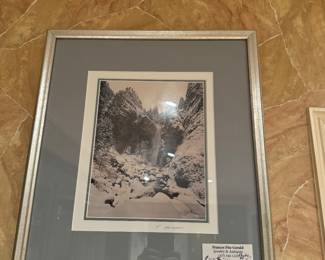
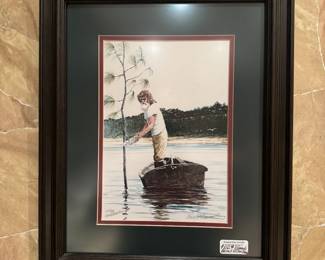
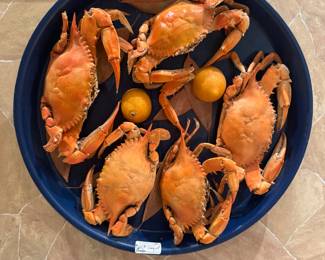
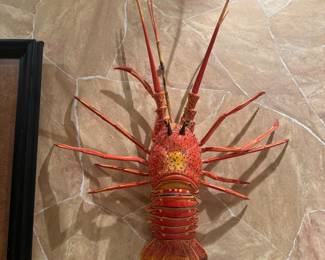
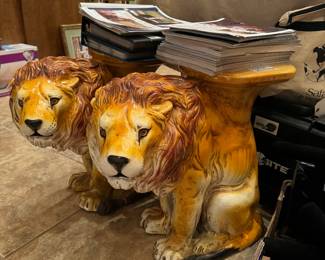
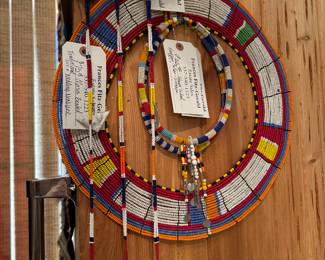
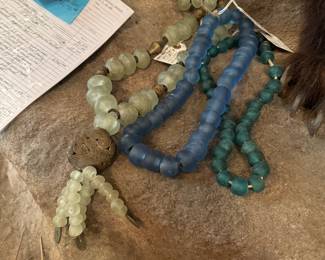
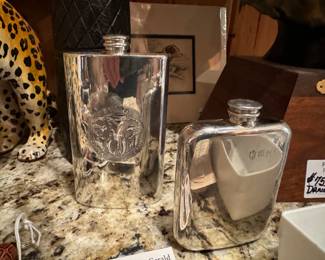
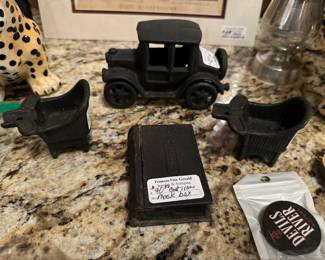
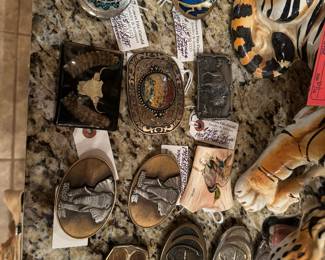
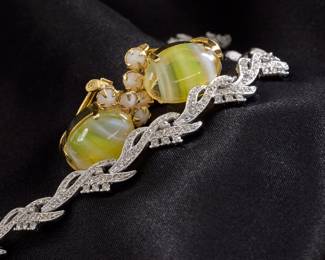
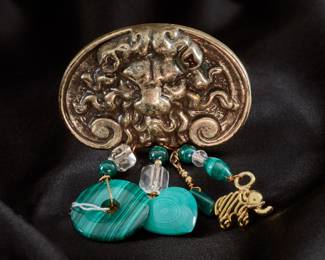
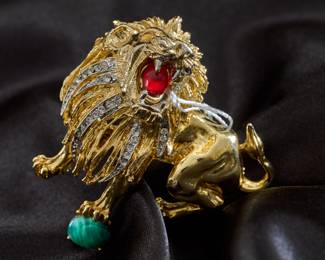
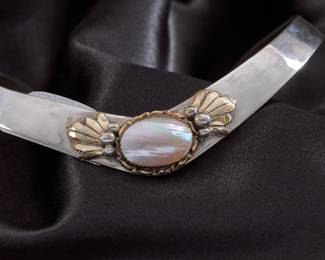
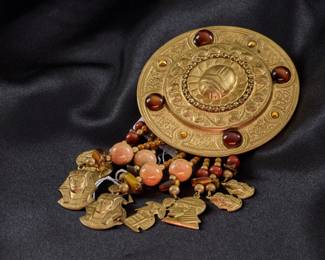
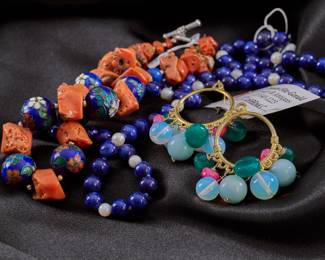
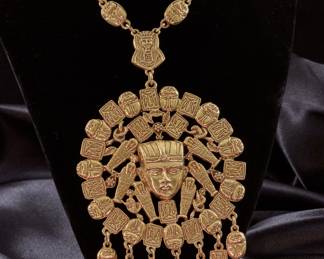
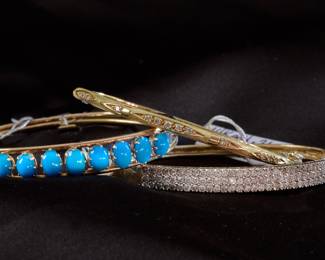
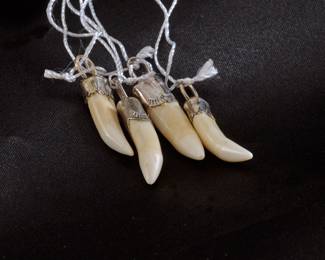
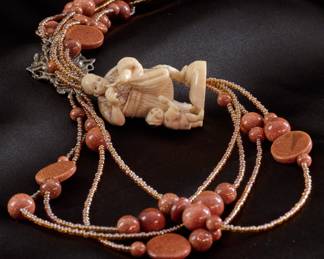
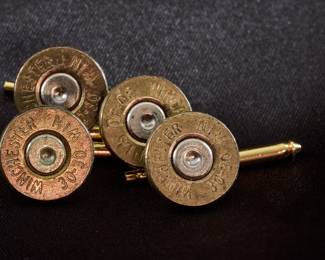
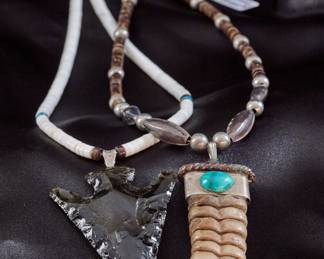
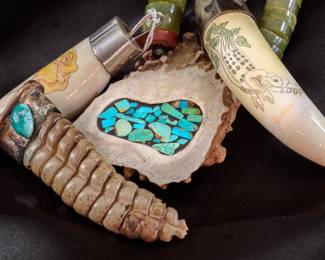
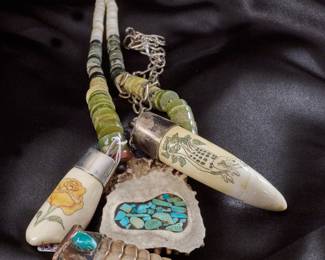
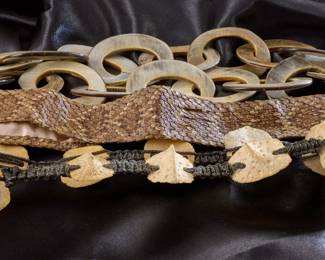
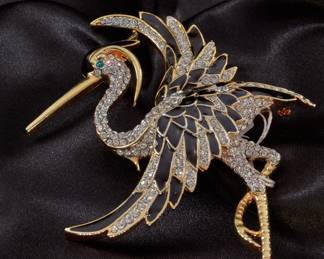
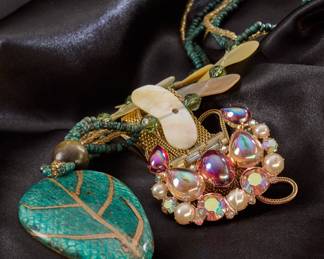
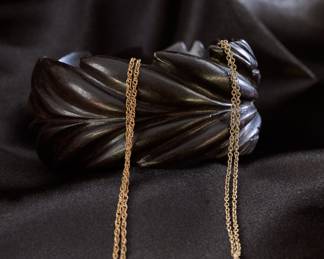
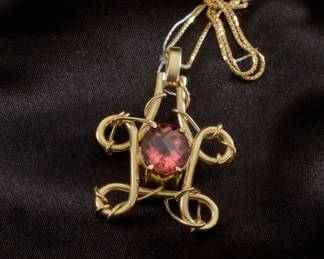
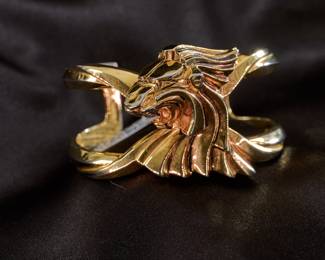
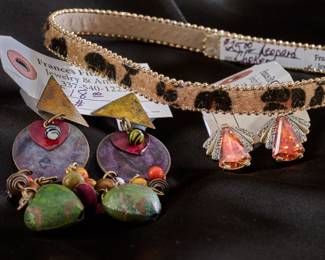
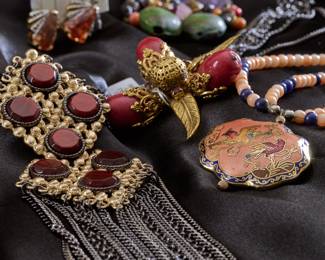
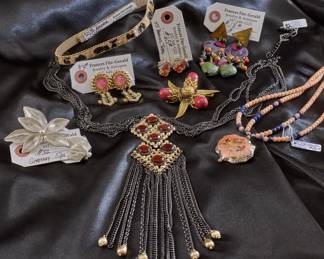
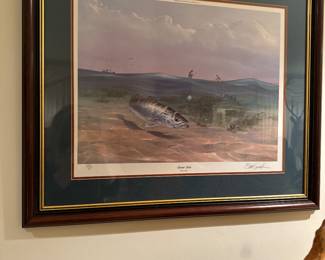
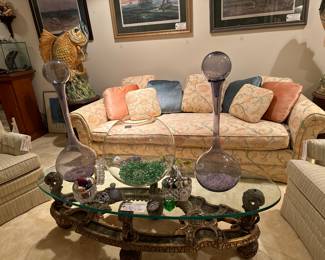
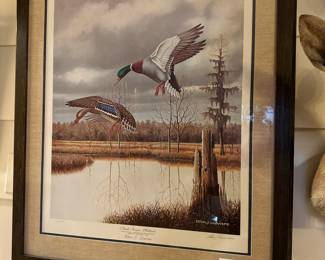
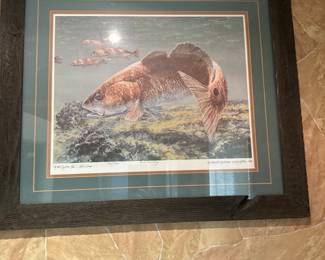
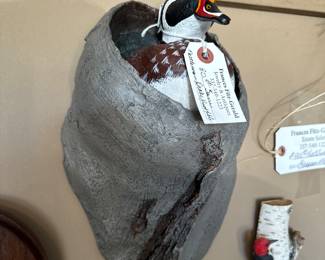
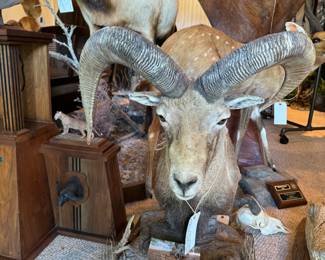
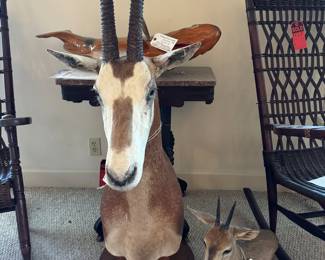
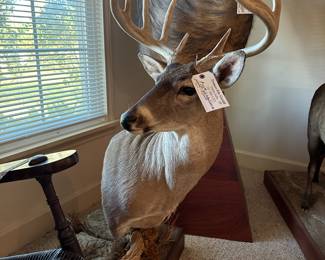
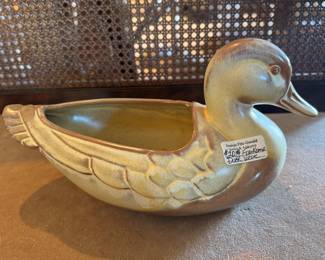
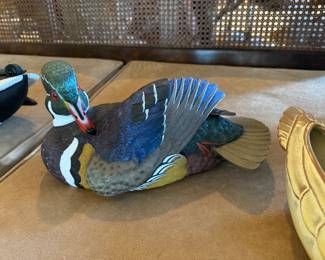
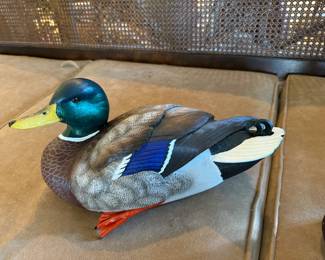
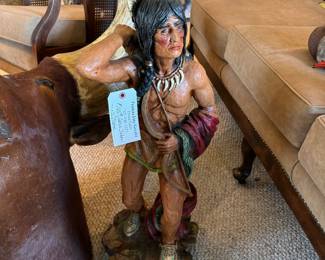
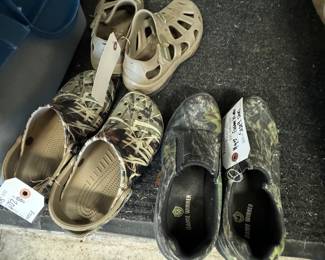
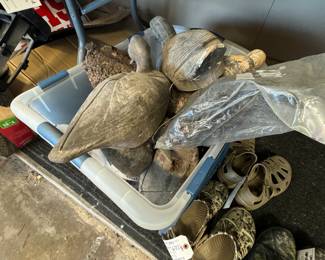
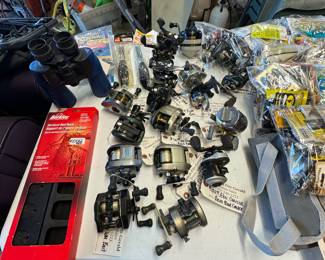
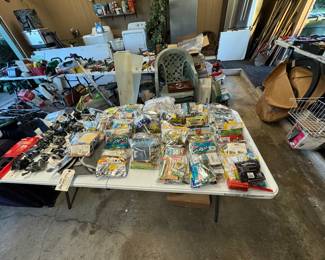
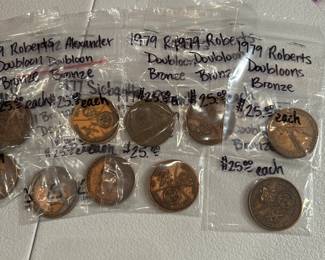
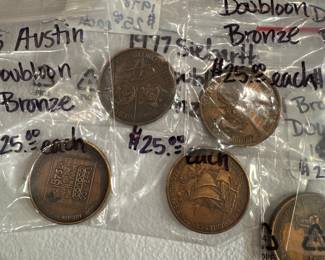
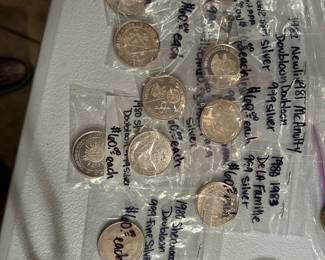
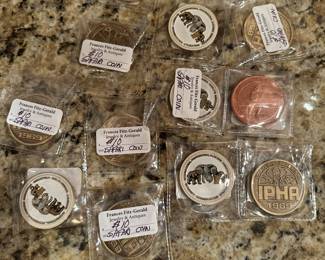
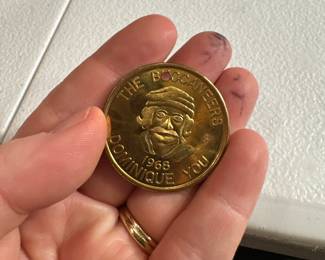
Fine Antiques, Beautiful Collectibles, Hunting Memorabilia, Unique Decor Items from around the world, taxidermy, Art, Fabulous Jewelry, China, Silver, Crystal and so much more!
Join us to discover treasures from their travels and remarkable life story. Every item has a story, and we're thrilled to share it with you.
A Letter from Julye Newlin;
A Life Well Lived
William and Carolyn Newlin epitomized authenticity. Their lives fulfilled a commitment to family, community, adventure, and conservation wrapped in a fairy tale love story. They met in 1952 at Lake Charles High School and never left each other's side.
William learned to fish from his mother and hunt birds from his father. Starting at the age of six he was either hunting birds or fishing after school. He also loved sports, guns, mechanical problem solving, nature, country and western music, reading Louis L’Amor, dogs, fast cars, cooking, and being with family. He excelled at everything he set his mind to achieving.
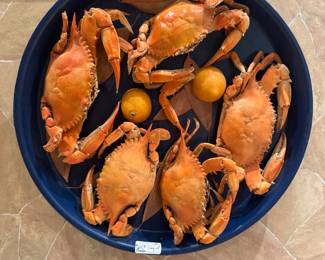
“I hunted birds, ducks, geese, rabbits, squirrels, deer, and anything that moved. Hunting in marshland for frogs, alligators, and trapping fur-bearing animals on the weekends. The summers were too short and I spent most of my days fishing for speckled trout and redfish, trawling for shrimp, and catching crabs. As a young boy, I made some money at these hobbies.”
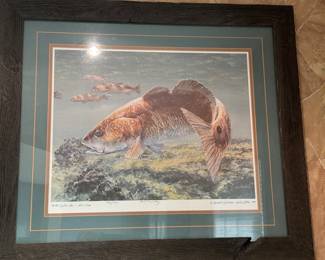
Ironically, my father's journey with wildlife protection began in what may seem an unlikely place. For extra income, William ran a commercial gill-netting business after his returned from the Army to work in the family company. In fact, he paid for my mother's engagement ring by catching and selling fish to restaurants in the surrounding area. During that time state regulations along the Gulf Coast allowed any fish to be netted. Unfortunately, knowing when you have netted a female of any species is impossible until the net is retrieved. As my father cleaned the female redfish, he discovered that they were carrying eggs more than once a year.
Once gill netting was outlawed in Louisiana, the United States Fish and Wildlife Service continued to allow the commercial harvesting of female redfish throughout the year. Fearing for the future of the redfish my father traveled back and forth to Baton Rouge several times a year to speak with government committees regarding his concerns. His efforts, along with those of five other men, led to new laws along the Gulf Coast and ultimately to the formation of GCCA (Gulf Coast Conservation Association) throughout the United States (now known as CCA - Coastal Conservation Association). This was one of my father's proudest accomplishments.
In the late seventies, William’s father passed away unexpectedly. His father was his mentor and best friend; he was the best man at my parent’s wedding. After his passing, my father began to experience depression. In an effort to raise his spirits Carolyn began to entertain an idea from one of their friends who had just returned from Africa.
Both of my parents loved Tarzan movies, and like many children growing up in that era, they fantasized about traveling to remote locations. My mother invited their friends to dinner, encouraging them to regale my father with their adventures in big game hunting. During this meeting, their friends opened William’s mind to hunting big game.
Early in the1980s, we traveled as a family to Africa with my parent's friends. The experience of Africa’s majestic awe and wonder transformed all of us.
I began hunting on the wing with my father at seven. During our lifetime, we hunted birds in several locations around the world. As a child he shared his principles and ethics of taking another creature's life and responsible firearm usage.
-
Never shoot the female of any species. One male can propagate the species through the insemination of several females.
-
Never take a shot if you are uncertain you will hit your target.
-
Never fire a shot without knowing what is behind your target; some rounds
can travel great distances. Know your weapon. Know your ammunition.
-
One shot, one kill. Firing multiple shots is a waste of resources and
demonstrates a lack of skill, self-respect, and honor for the practice of
hunting.
-
Never waste a species you have taken. Give it to family and friends if you
cannot use the meat. The animal has sacrificed its life for you; respect its
life.
-
Never kill animals indiscriminately. This is not hunting; it is shooting.
-
Always give the advantage to the animal; aka, only hunt fair chase.
I grew up with disdain for those who do not respect life. I cannot respect anyone who chooses to hunt big game with an automatic rifle, or someone who chooses not to actively intervene if anyone is wasting animals through irresponsible behavior and finally anyone who is unsafe or thoughtless while using a firearm.
I am deeply saddened that responsible hunters often get a false reputation as indiscriminate killers. I am clear that is NOT how I was raised. Murder and or the desire to inflict violence on an innocent, non-threatening creature is unethical.
For those who do not understand the relationship hunting plays in the economy here is a bit of information. According to the Association of Fish and Wildlife Agencies, in 2022, $395 billion USD in revenue contributed to the national economy through hunting and fishing.
In a 2017, a Department of Interior publication for the US Fish and Wildlife Service stated, "Hunters are [the] driving force behind funding many of our nation's conservation efforts. After the passenger pigeon's extinction and the near elimination of the bison and many migratory bird species in the early 1900s, Americans realized the impact humans could have on wildlife. To ensure that there would be animals to hunt in the future, hunters began to support programs that helped maintain species populations and protected habitat for wildlife.”
This report continues, "[the] Duck Stamp, since its inception, [has generated] over $1.1 billion USD...with one outcome being the protection of six million acres of habitat inside the National Wildlife Refuge System. ...98 percent of Duck Stamp revenue goes into habitat protection. Even if a person doesn't hunt, buying a duck stamp (it costs $25 and can be purchased at the local Post Office or outdoor gear store) is a great investment for national wildlife refuges, and any waterfowl habitat serves the survival of hundreds of other species."
In addition to the state and federal fees, hunters and sport fisherman buy apparel, weapons, ammunition, projectiles, off-road hunting vehicles, boats, rods, motors, tackle, travel, lodging, meals and much more.
Mary Cabela, the matriarch of Cabela's Sports and Outdoors was a longtime friend of my parents. The Cabela's (Dick and Mary) began their company out of the kitchen, tying flies for outdoorsmen. Little did they know that their passion for the outdoors would eventually lead to the creation of one of the largest animal preservation foundations in the world. To date, the Cabela Family Foundation has saved several cheetahs and lions, both brutally hunted by natives due to human conflict from habitat loss.
The most crucial idea I want to convey is that hunters are not poachers. Hunters want a continuation of species so that the tradition of hunting and wildlife observation can be passed on to the next generation. Hunting anything to extinction is not logical.
As a filmmaker, every mass meat production facility (chicken, turkey, pig, lamb, etc) I have worked in for documentaries is an eye-opening experience. The smell and condition of the animals is quite distressing. According to the World Counts (an analysis organization compiling academic and government research), globally, humans consume approximately 350 million tons of meat and 965 million tons of vegetables a year. As our population increases, we eliminate habits for the creatures on this planet as we must feed more humans. Without the support of conservationists and world agencies, many of these species will not survive.
I have never spoken publicly about my frustrations regarding the misrepresentation of responsible hunters. Friends know I hunt, but given my profession, most people in my industry believe that hunting is bad for the planet, wildlife, economy and humanity. But looking into the eyes of a creature who has died for nourishment and thanking them for their sacrifice is a tradition that, to this day, humbles me. All living things are connected. Life is to be shared, not destroyed. That is a choice.
When Carolyn decided to become a hunter rather than an observer during their travels, she also began to understand a hunters' bond with the land, sky, water, sun, and life. It is an honor to experience nature on nature's terms. She loved riding horses, yaks, and donkeys. She even found silver linings during inclement weather and broken sleep in the trees of the Congo. "Hyraxes were everywhere, screaming to stay in touch with their group. Their cries were bloodcurdling, but I was more comfortable above one of the most remote jungles in the world than if I were in a large city.” She loved their adventures.
My parent’s trust in one another was absolute, and their love was undeniable. Together for 71 years and married for 64, they are the most incredible couple I have ever had the privilege of knowing. Please understand: I am not just saying this because they were my parents; I am saying this because I have met many in this lifetime, and few have what they had.
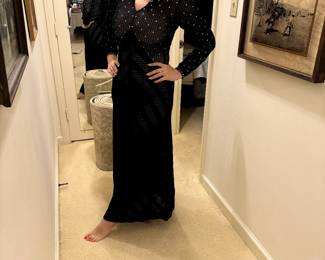
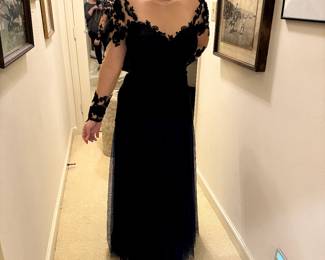
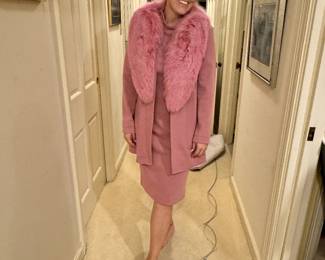
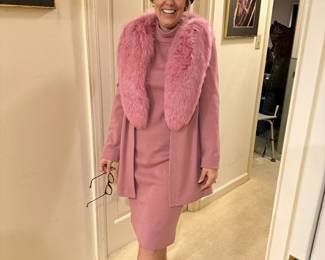
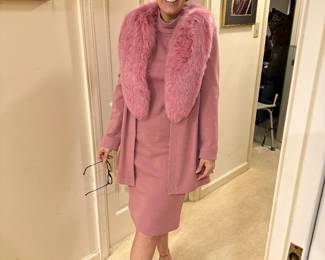
Carolyn was a sharp-dressed lady. One of the first trip coordinators said, ”Carolyn will get down in the dirt to hunt a good animal, and yet when it's all over, no one could look better or be more of a lady. [She is] a true 'Woman for all Seasons.'"
While Carolyn and William worked at the company William's family founded, they sat across a desk five feet from each other for almost 40 years. They cooked together, hunted together, and sincerely enjoyed life together. I never heard them argue. In the last year, when my mother's health began to decline, she and my father held hands like teenagers all day. It was one of the most touching things I have ever witnessed. It reminded me that living an authentic life is the most genuine choice one can make.
She once said, "Without organizations like Houston Safari Club, there would not be a bounty of hunting available. These groups place distinct value on the animals. According to [an article in] Bloomberg, game ranching in South Africa has substantially increased its animal population from fewer than 600,000 in the early 1960s to upwards of 24 million today. In contrast, Kenya banned hunting in 1977 and has lost more than 80 percent of its animal population (Mike Norton-Griffiths, U.S. Zoologist)."
Carolyn might have been the most unlikely subject to become an huntress. She loved the arts, ballet, cats, classical music, modeling, fine clothes, tennis, aerobics, nutrition, numbers, and people. She was the yin to William’s yang. I could never imagine my mother choosing to be dirty, wet, and cold in the pursuit of an animal, bird, or fish, but it happened.
My father taught her how to shoot after their trip to the Congo and passed on the same advice: "... Practice, practice, practice. Make the first shot count, and do not ever take a shot unless you are sure of it." To her surprise, it worked. "William is still ahead by about 150 trophies, but I'm working on it."
"Sometimes I'll wake up at night, then I settle my mind on all the places William and I have been ... the wonderful game we have taken, the wonderful people we have met, the good food and friendship we have shared, sometimes with people we will never see again except in a photograph. We have been blessed with an exceptional life, working and hunting together."
It was my mother's courage and love that renewed my father when his father died. Getting a front-row seat to watch his transformation was a blessing. None of us could have foreseen how hunting would change our lives. In the end, contribution is the highest calling in life. Conservation is that contribution.
Every hunting organization my parents belonged to believes in conservation, not just in word but in action. I am proud of my parents for their contributions to hunting, wildlife habitat, community, and hunter education. I could not have had better or more honorable teachers. Thank you both.










































































Thank you for using EstateSales.NET. You're the best!