
25% OFF! The Oldwick Estate – A Historic 1822 Federal Style Mansion Full Of Priceless Heirlooms
Sep 16
10am to 5pmSep 17
10am to 5pmSep 18
10am to 5pmSep 19
11am to 4pmTerms & Conditions
- No checks will be accepted.
- We are not responsible for any injuries or damage to personal property.
- This sale is on a first come, first serve basis.
- We do not deliver or haul any of the sold items.
- It is the buyer's responsibility to remove all purchased items.
- All purchased items must be removed by the end of the sale day.
- All items are being sold as is, where is, when is, with no returns, refunds, exchanges, or buybacks.
- No public bathrooms are available on site.
- Please follow all parking regulations and respect homeowner's driveways and properties.

Remember When Antiques And Estate Sales, LLC
Description & Details
A SIGN UP LIST IS POSTED TO THE FRONT DOOR. 1 NUMBER PER PERSON PLEASE. THANK YOU!
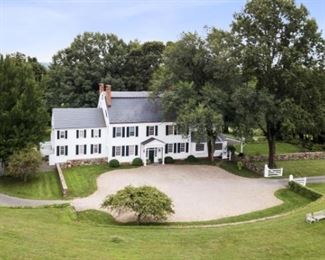
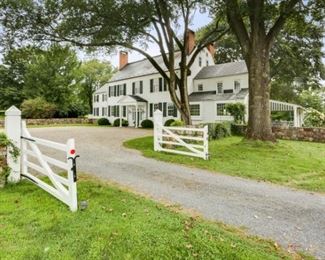
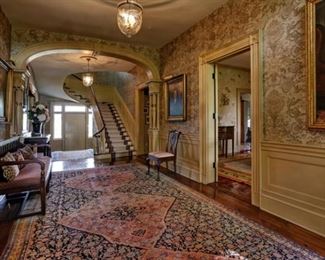
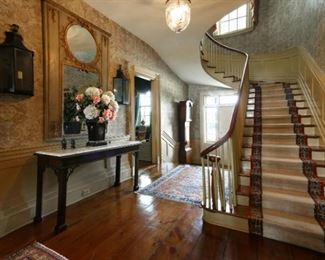
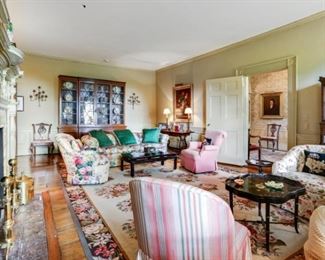
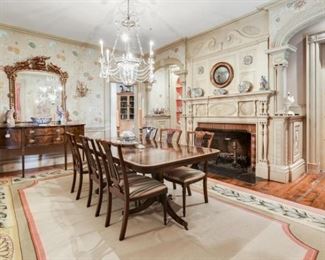
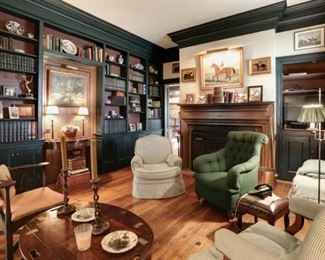
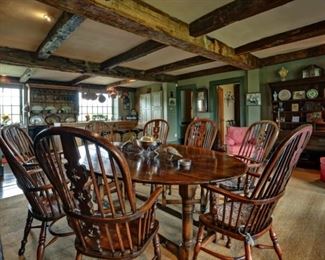
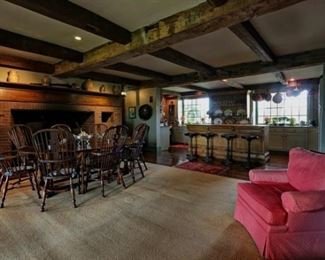
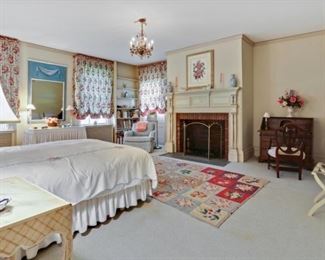
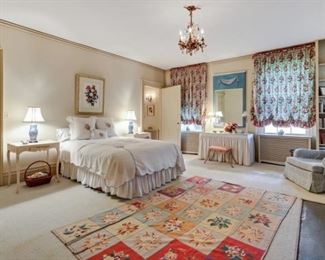
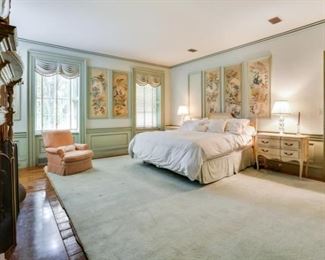
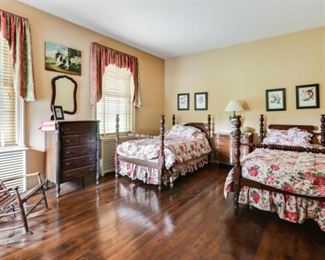
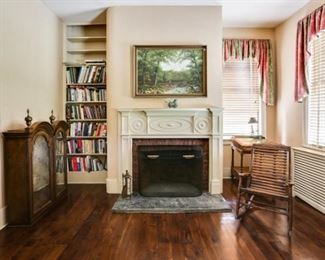
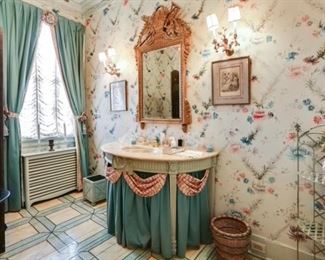
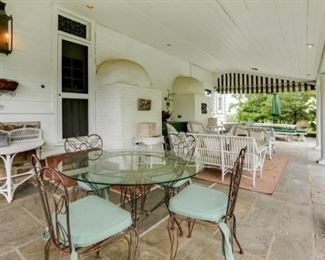
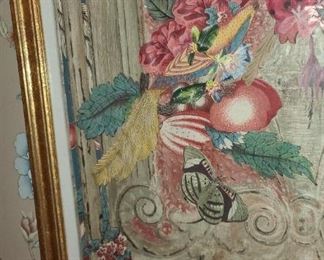
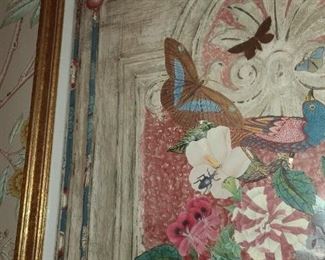
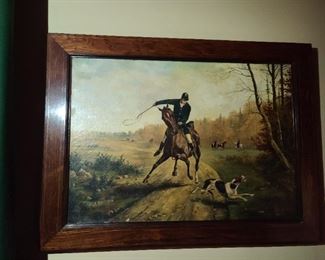
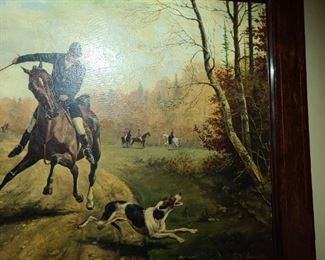
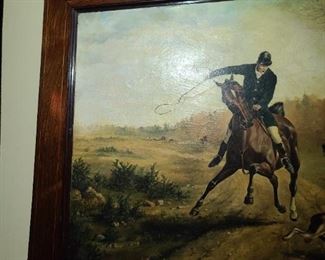
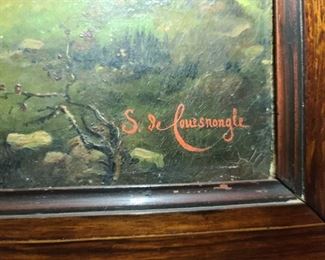
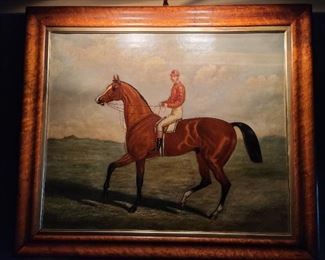
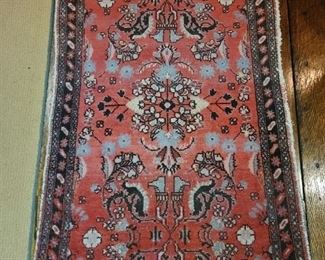
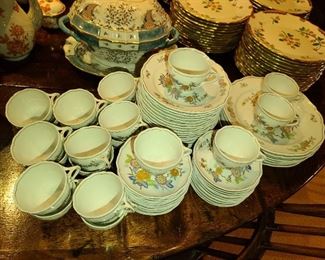
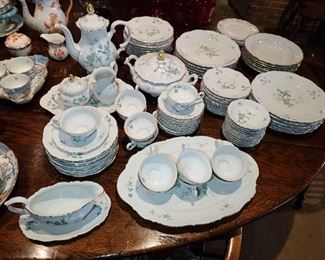
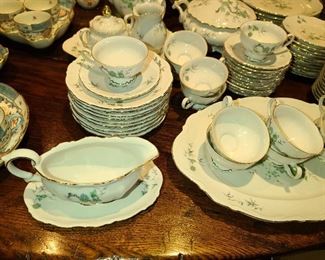
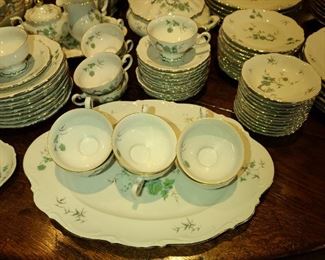
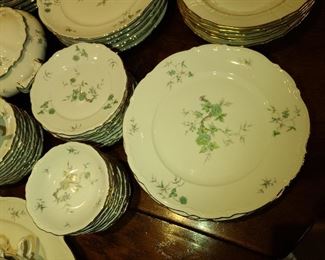
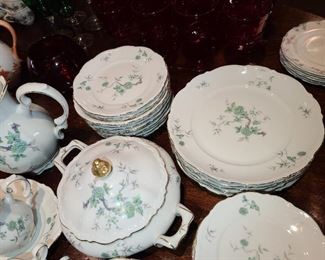
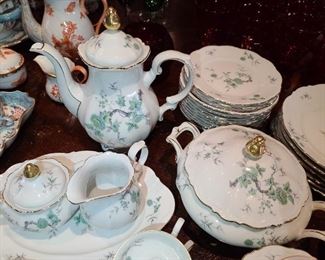
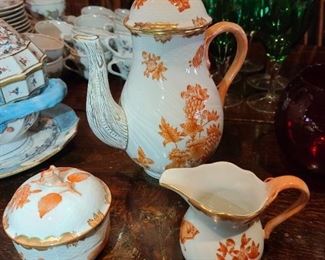
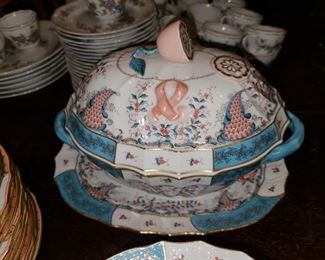
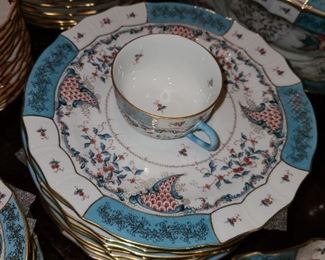
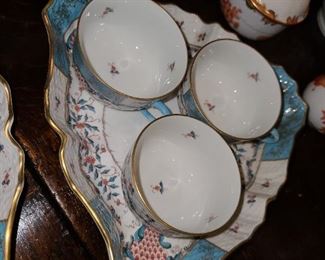
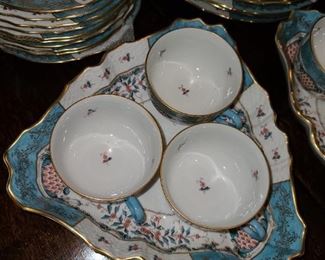
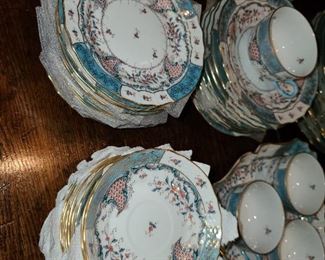
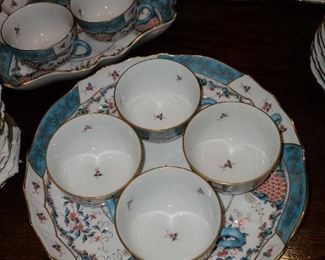
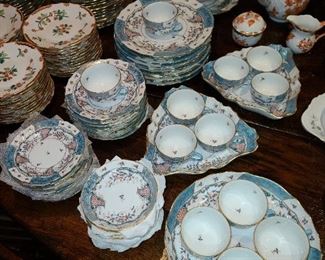
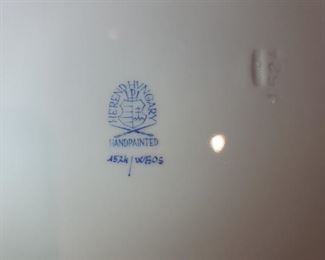
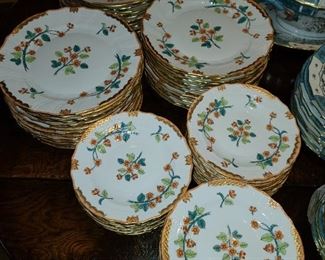
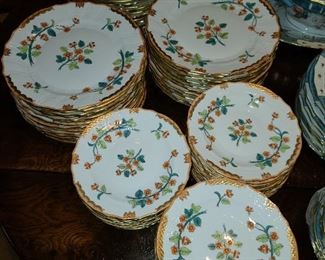
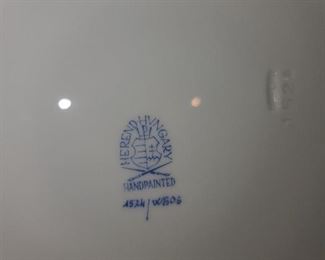
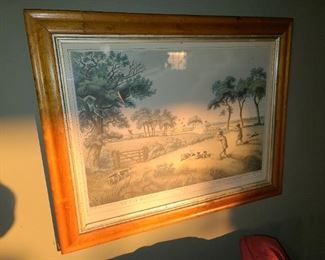
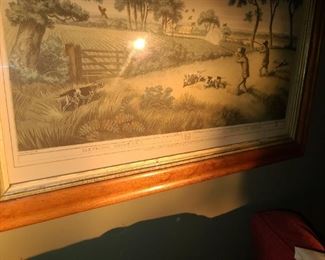
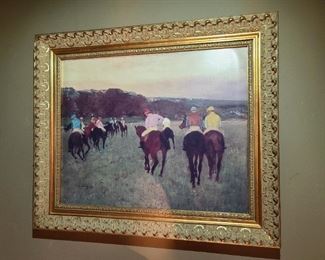
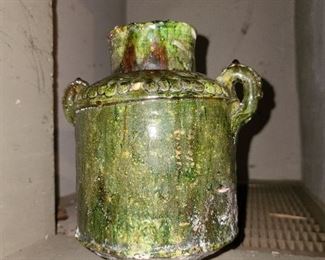
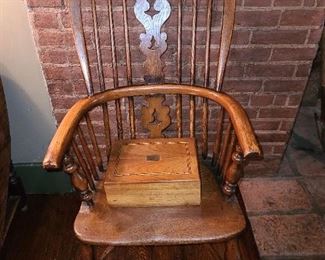
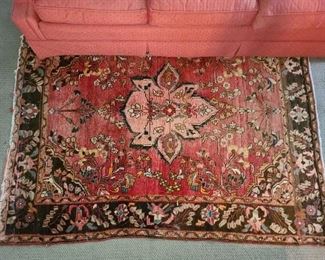
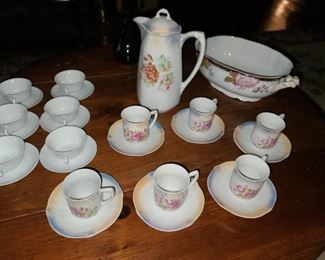
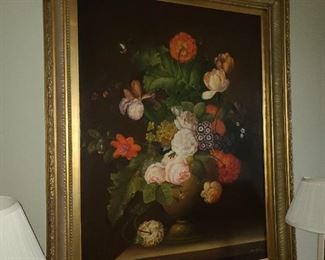
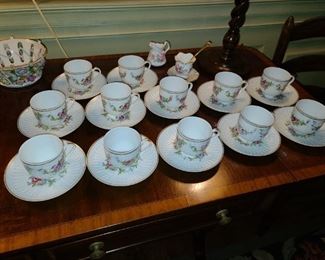
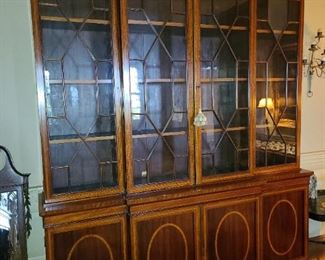
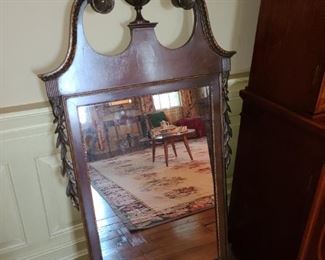
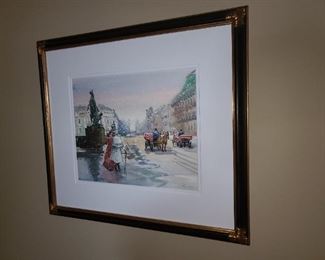
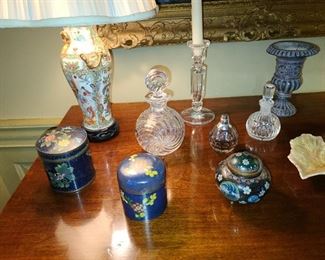
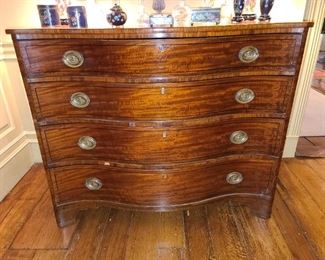
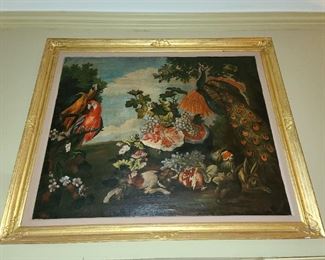
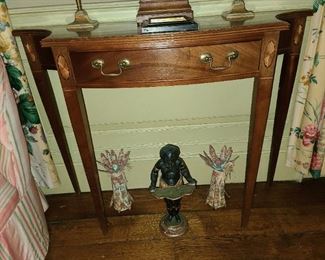
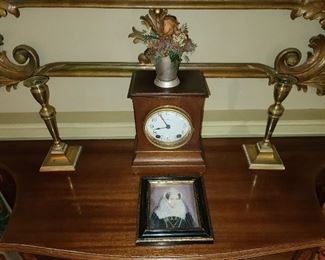
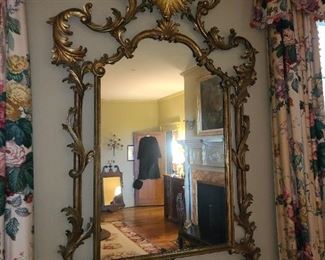
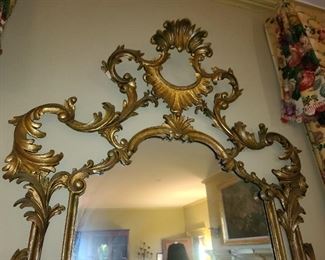
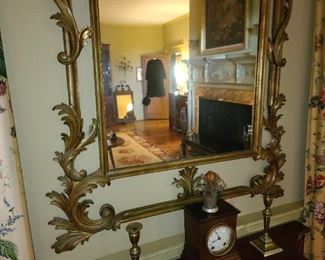
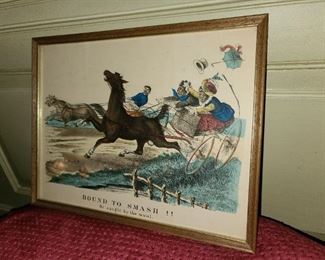
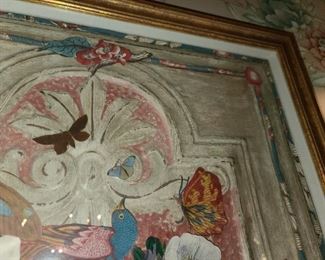
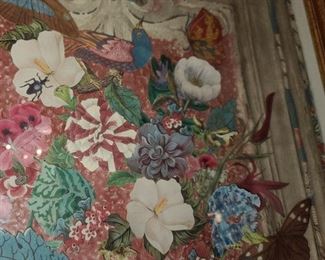
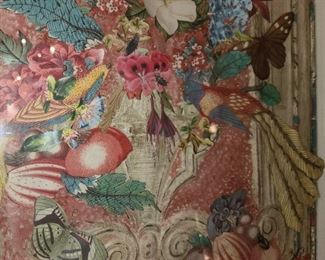
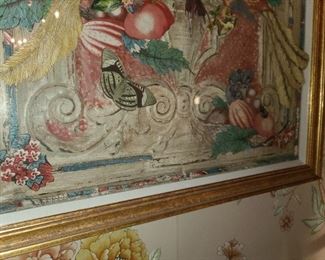
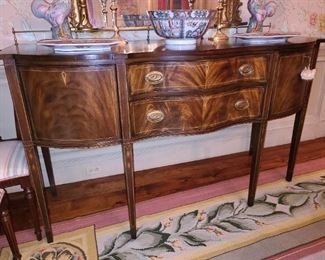
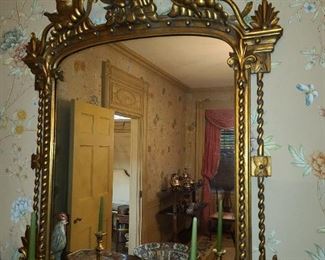
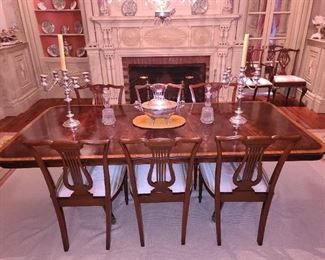
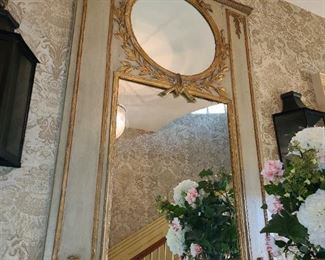
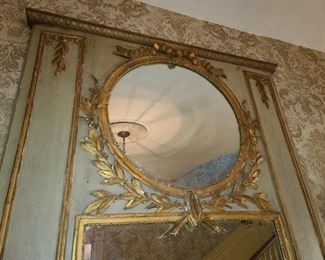
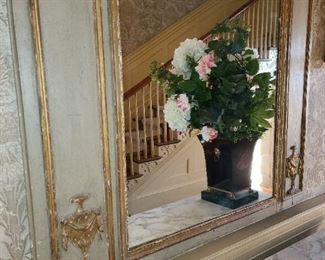
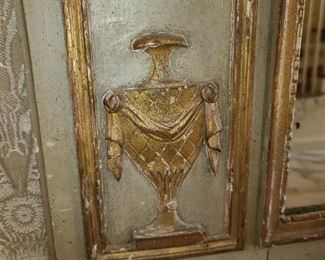
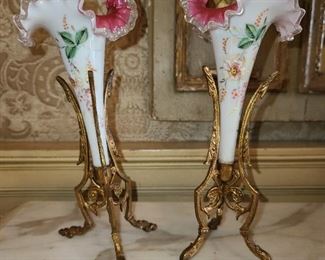
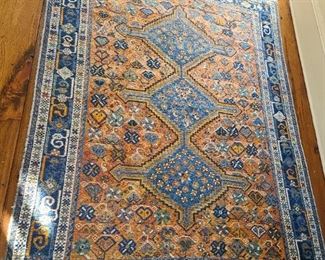
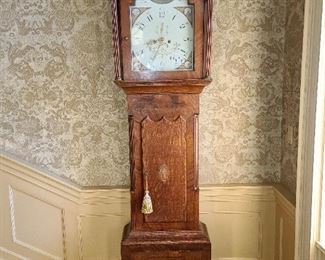
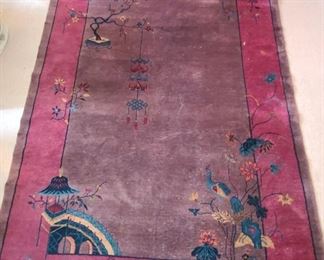
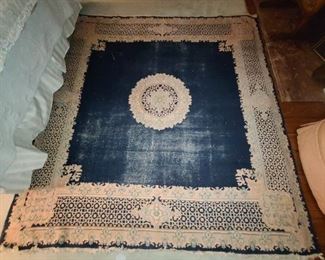
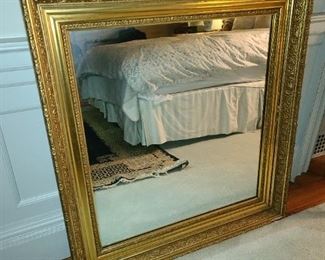
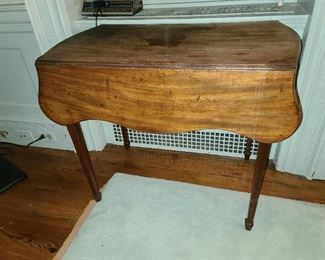
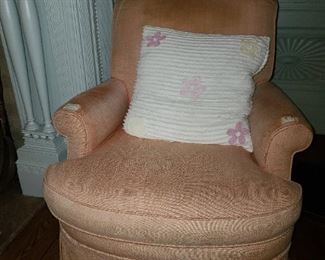
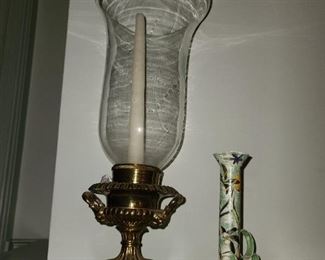
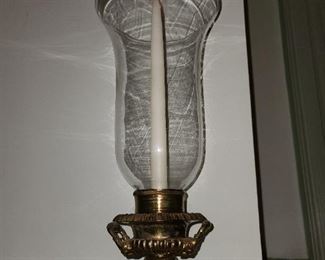
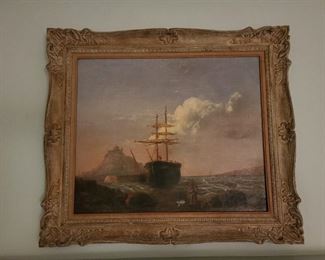
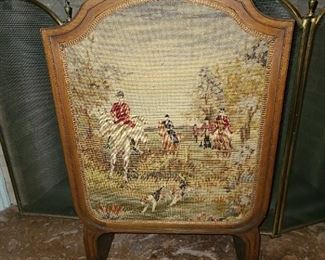
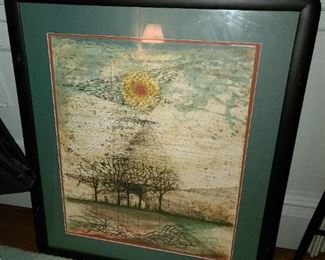
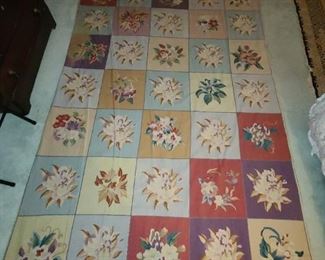
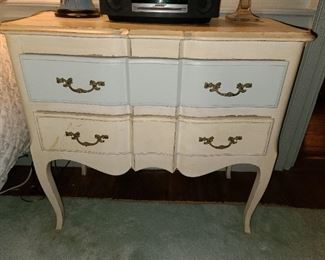
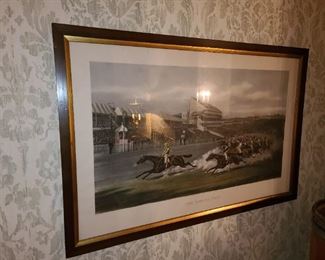
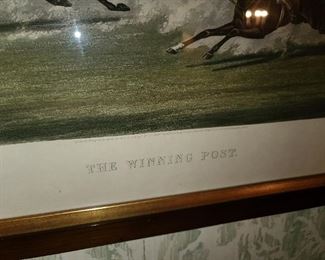
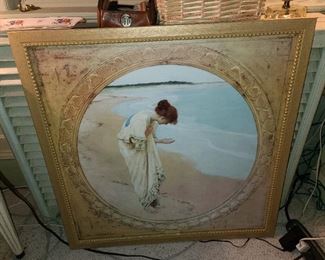
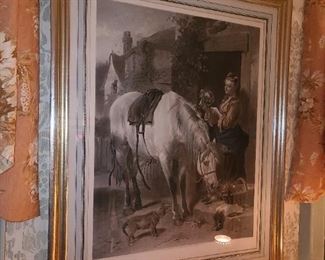
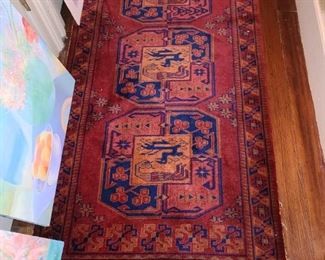
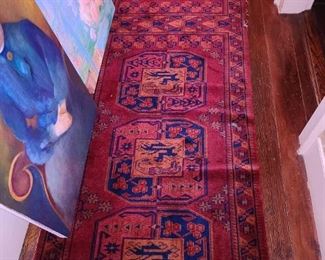
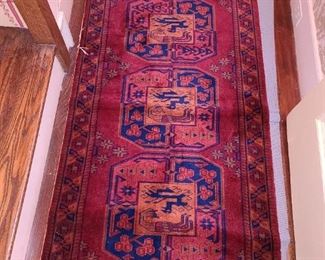
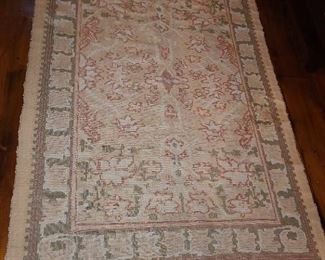
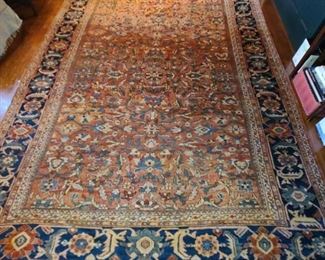
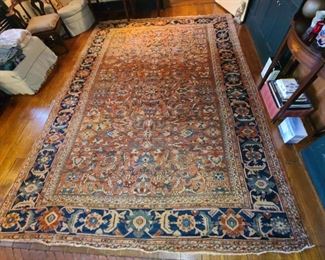
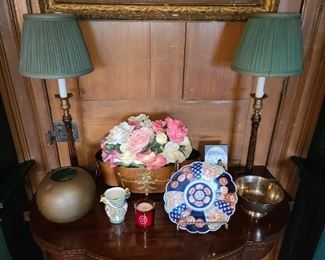
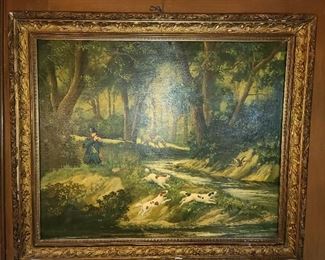
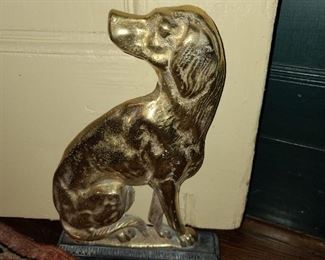
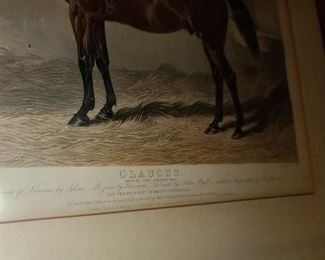
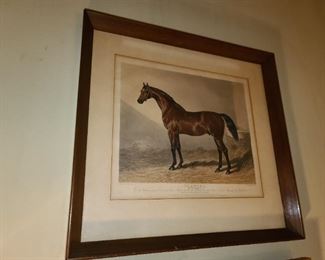
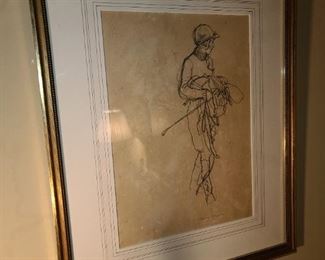
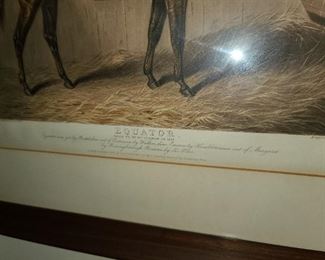
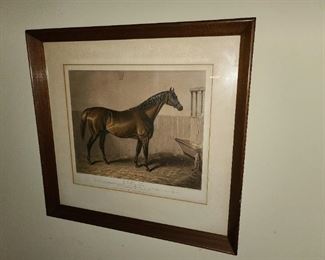
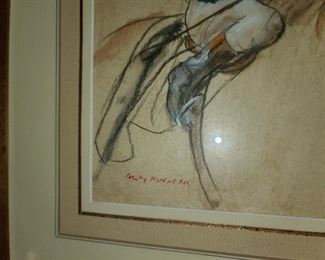
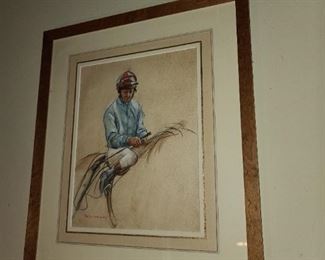
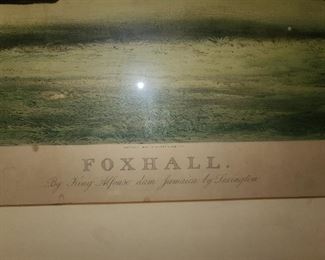
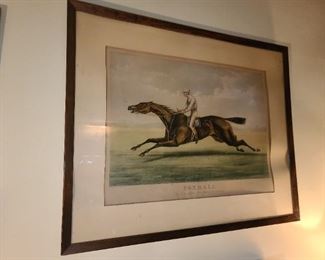
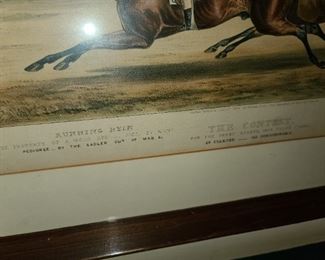
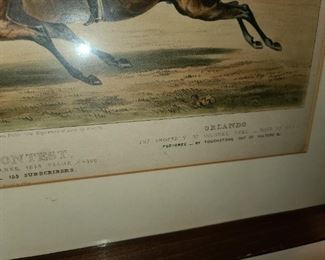
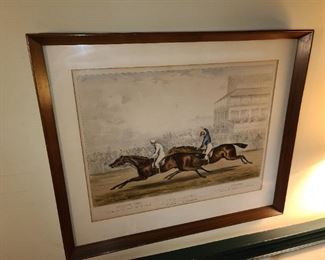
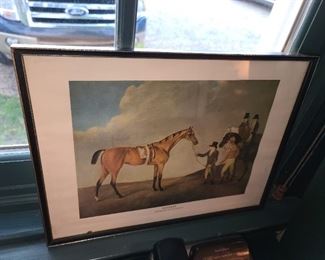
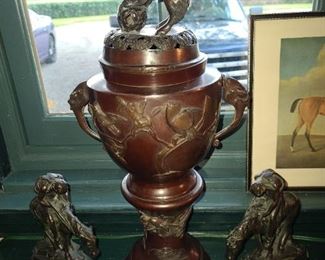
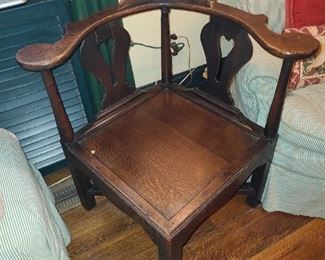
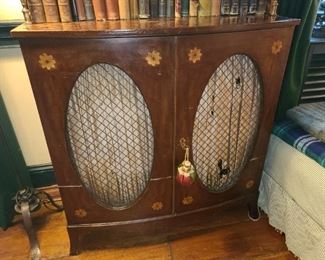
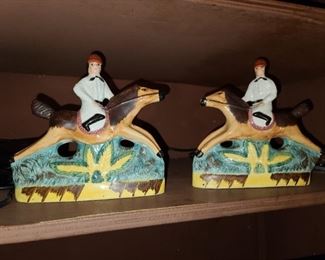
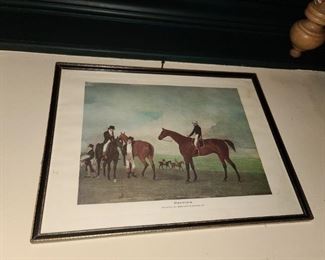
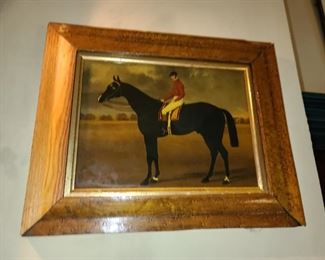
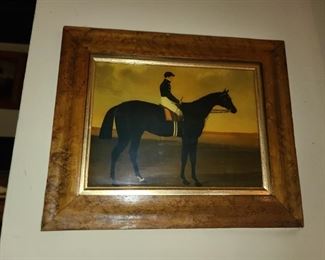
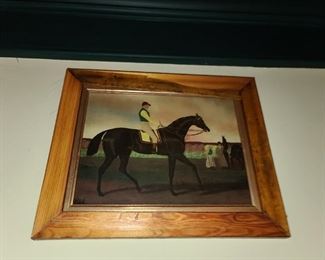
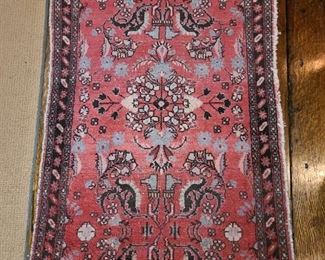
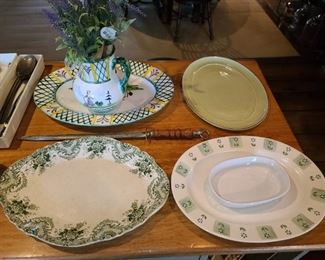
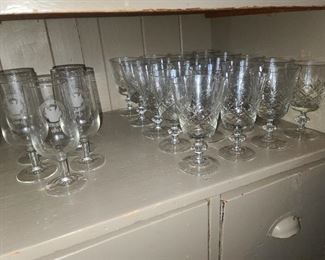
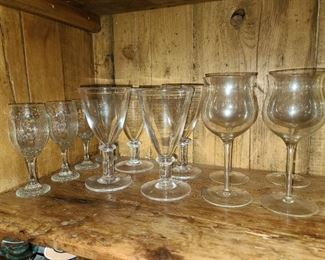
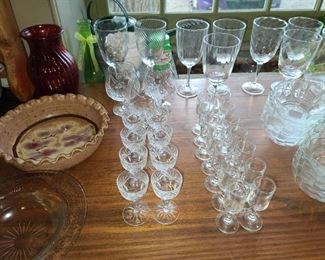
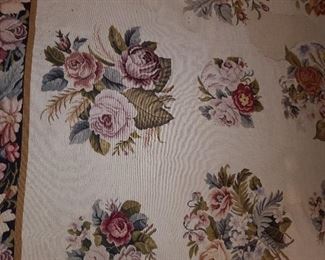
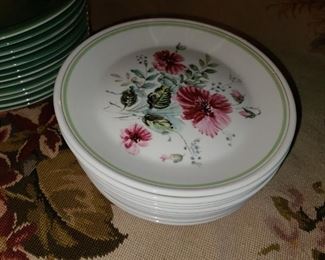
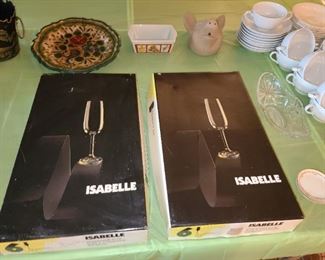
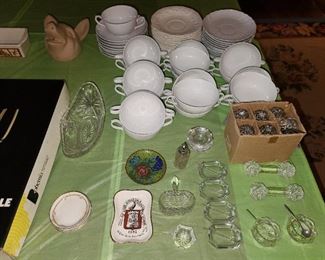
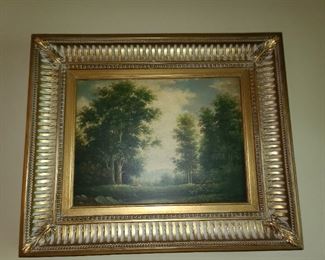
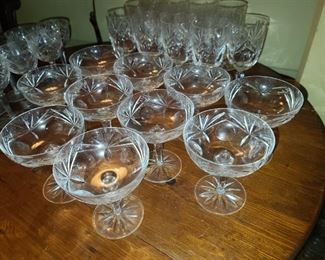
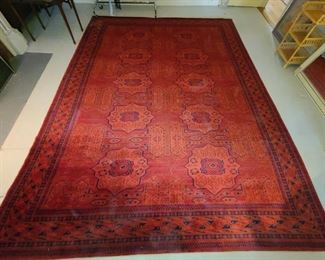
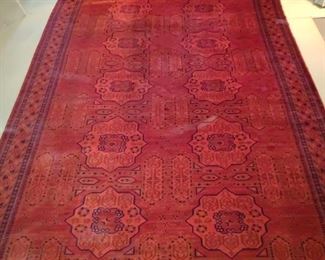
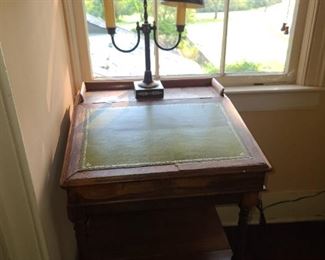
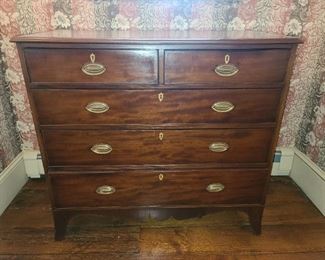
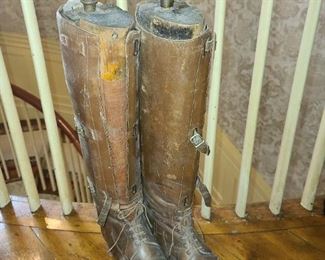
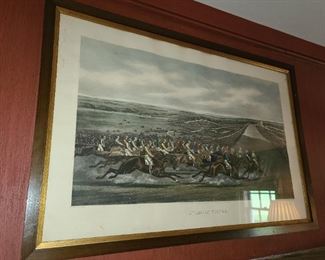
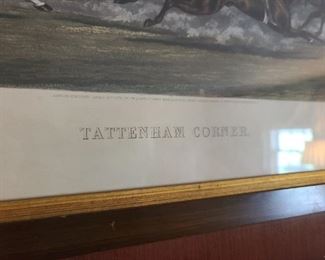
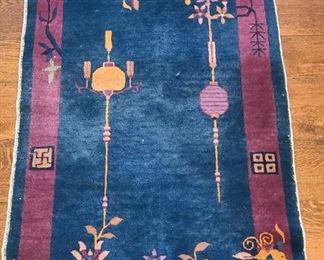
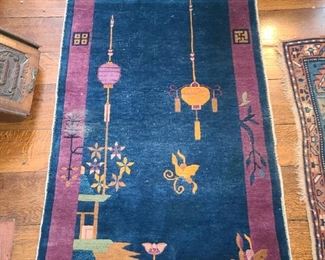
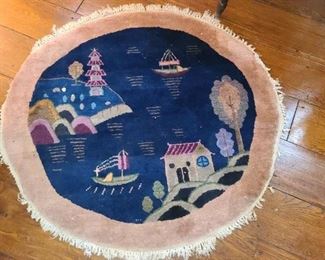
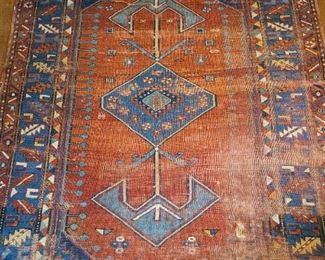
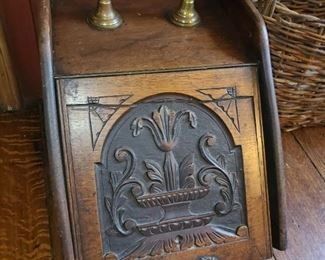
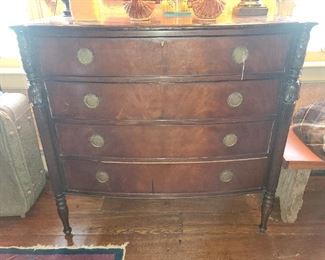
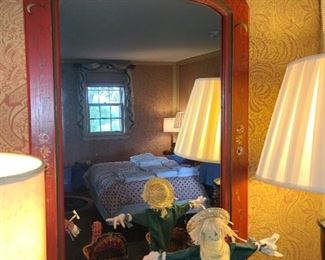
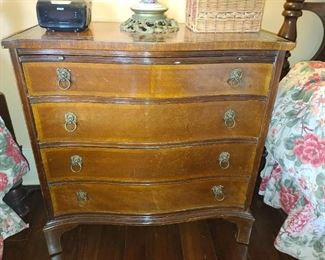
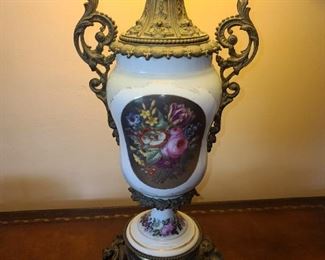
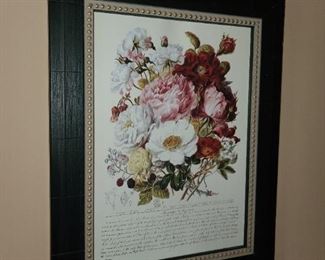
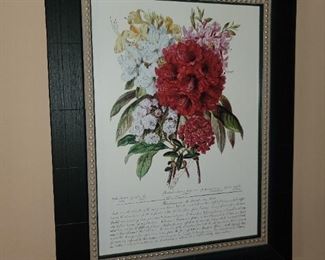
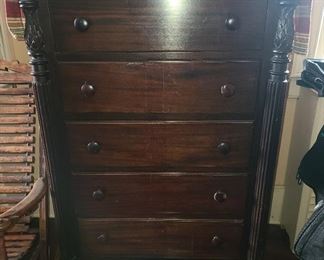
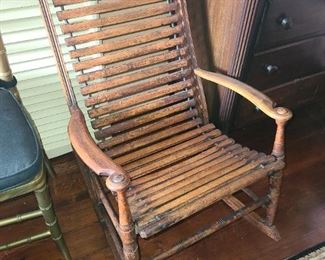
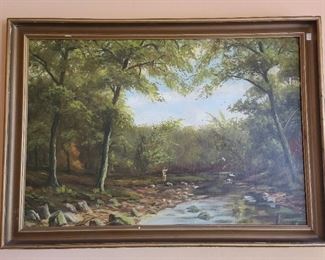
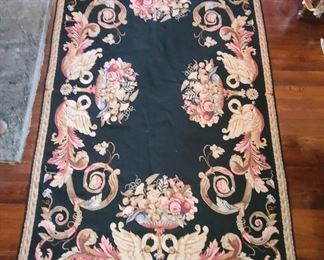
In 1817, construction began on the federal-style home eventually leading to its completion in 1822. The large estate, consisting of 3 levels, 5 bedrooms, and many other rooms, is carefully curated with priceless antiques. After the current owners purchased the home in 1983, they began what would become a 2 and a half year time period accurate restoration process. The fireplaces were stripped of old paint, carvings were re-built, and wall panels were hand painted. Once the construction was complete, the final task was to stage and decorate the home. Using the finest interior designers and global resources, the current owners spared no expense. Persian rugs line the hallways, fine Herend china adorns the kitchen cabinets, Waterford goblets eagerly await guests at the formal dining room table, and equestrian artwork covers the library walls. Each room has a personality of its own and no two antiques are alike.
For the first time since living on the property, the current owners have decided to downsize and sell off nearly their entire collection of priceless heirlooms they collected over the past few decades. An estate sale will be held on site at the property on September 16th, September 17th, September 18th, and September 19th. All questions can be directed to Ed Frischkorn, Operations Manager, at 917-410-7100.
Want to know more about this historic home and estate? Continue below to read the official home bio written by Christina Wall, local town historian, in June of 1996 (Used in permission with the current homeowners).
The imposing and elegant Oldwick home is 175 years old. In all its many years, the house has been owned by only three families – four generations of the Miller family, Ethel Conrad Boies, and now the current owners.
Under the influence of William Penn and others like him, many 18th century Germans came to the area to escape European oppression. Beginning in 1714, the goal of these early settlers was to establish a principal village and the center of the Lutheran congregation. In the fall of 1749, Zion Lutheran congregation purchased the land around the intersection of Potterstown and Fox Hill Roads (the latter is now Main Street). They divided the land not needed for their Church and graveyard into house and store lots, thus founding the village of New Germantown. Oldwick was actually first called Smithfield and later New Germantown, the village name changing to Oldwick during World War I. Some of the tradespeople and nearby farmers were English or Scotch-Irish, but the German influence predominated and many were Palatine Germans. The village became one of the oldest, principal revolutionary towns in the state.
It was into this setting that the first Miller, John Henry Miller arrived in 1750. At age 22 he worked his passage across the Atlantic from Palatine, Germany. Once in Oldwick, he built a log cabin which stood next to what we now know as the Magic Shop. In 1764 John Henry Miller bought this and surrounding property from the trustees of the Lutheran congregation. He established a farm on the property and led a prosperous life. He died a widower at 90 years of age in 1819 – his wife Mary Catherine Melick having passed on before him at age 75 in 1809. Upon his death, John Henry’s 175 acres was transferred to his son, John Henry Miller, Jr.
Mrs. Mayor Watts, daughter of the second owner Ethel Conrad Boies, is now in her 80s and still resides in Oldwick. Mrs.Watts tells the story that John Henry, Sr. had two sons and that the brothers were vying to see who could build the best house. Miller Craig, the great, great grandson of John Henry Miller, Sr. who still resides in Tekwsbury, confirms that his great, great grandfather gave both his sons $5,000 and told them each to build a house with five chimneys. Thus the competition ensued. One brother, Jacob, bought property in Hackettstown and built there. The other brother, John Henry, Jr. stayed in Oldwick to build the imposing, magnificent home which was to remain in the family for four generations.
The house was erected between what is now the Magic Shop and the Zion Lutheran Church cemetery. According to Miller Craig, John Henry, Jr. used $3,000 to build the house, a process that took from 1817 to 1822. In the spirit of the competition John Henry hired two craftsmen from Germany that actually lived and worked in the home for six months, working from 5:00am until 9:00pm. They were paid 5 cents an hour, 75 cents a day. When daylight grew dim they worked by candlelight. Their remarkable hand carved features are throughout the house, on mantlepieces, arches and woodwork, decorating the interior.
According to an article in a local newspaper dated 1938, the original house is a large structure with six rooms, a pantry, and a huge reception hall on the first floor and seven rooms, a bath and two halls on the second floor. The attic was never “finished off”. In the house there are nine fireplaces of various sizes. Four of these are on the first floor and five on the second. In three of the fireplaces are solid iron slabs which are decorated with a relief design. The slabs were intended to reflect heat into the room and to protect the brick.
Another remarkable feature of the house is the two Dutch ovens (or bee hive ovens) which, from the exterior, look like oddly shaped fireplace chimneys. These ovens are located on either side of the downstairs cooking fireplace. Hot coals were placed inside to heat the oven. When the ovens are at their hottest temperature, meats were cooked; at less hot temparatures, breads and pies; and while still warm the ovens were used to dry fruits. Helen Fisher, John Henry Miller, Jr’s granddaughter who died at age 99 in May of this year in her Oldwick home, was born and raised in the Miller homestead. While visiting the Oldwick Home, she would boast in her gracious and charming way, “We never burned a pie in those ovens.”
The 1938 article also makes note of the old smokehouse and “underground” icehouse. The smokehouse and the original well house still stand set back between the Magic Shop and the Zion cemetery.
The Miller house in Hackettstown also has 5 chimneys, but according to Miller Craig, it is not nearly as magnificent in terms of attention to detail. The Hackettstown home has now been zoned commercial and has been divided into several antique stores. In his opinion the Miller homestead in Oldwick is clearly the winner of the contest for the best house.
The Miller home was built in the federal style of architecture which was produced in the United States from 1780 through 1820. The style is best characterized as an aspect of neoclassicism, influenced by the Scottish architect Robert Adam, With American motifs added. This period of architecture, also known as the Adam style, is characterized by classical geometry, balance and symmetry in design, lightness, and elegance in mood, delicacy, and finesse in execution. Often the federal period saw the use of delicate elliptical fanlights frequently divided by weblike lead tracery or sash bars in a variety of patterns above doorways, as can be seen in the Oldwick home.
In 1914, when deep Victorian porches were all the rage, Leroy Miller had one built onto the house at a cost of $1,000. The house was restored to its original federal integrity when Ethel Boies bought the home and had the porch removed. Many of the grand older homes in the village had porches added on during this time.
Miller Craig reports that his grandfather, John Sharp Miller, had an interesting dream when he was 45 at the turn of the century. In his dream he saw that their homestead stood on a hill. At the time of course, no one could appreciate the significance of this. But after the house has passed from John Henry, Jr. (born 1766) to John Peter Sharp (born 1812) to John Sharp Miller (born 1857) and lastly to Leroy Neighbor Miller (born 1888) there was to be a change in the ownership of the Miller homestead. Leroy Miller succumbed to pneumonia at age 40 in 1929. After six years as a widow in the middle of the depression, Leroy Miller’s wife and her four daughters could no longer manage the now 94 acre farm. Miller Craig retells that the widow had a “for sale” sign nailed to a tree out front advertising a price of $29,000. She did not find a buyer for three years so she decided to rent out the Miller house while she and her daughters resided in what is now the Magic Shop. The Magic Shop was built in 1773 by Henry Miller, Sr. and operated as a country store in the early 1800s by his son Henry Miller, Jr.
The tenants in the large house, each worse than the last, damaged the house to such a degree that she finally lowered the selling price to $21,000. One interested buyer for the grand house was discouraged by the lack of privacy offered by its location. The lack of privacy, however, did not discourage Ethel Conrad Boies, a wealthy widow from Scranton, Pennsylvania. She gladly paid the $21,000 for the Miller homestead and its 94 surrounding acres on July 1, 1938.
Ethel, too, held a vision of the grand house on the knoll one quarter mile behind its original location. What followed was a spectacle that no living witness will ever forget. For a cost of $100,000 Ethel had the house moved, a process that took several months to complete. The house was lifted from its foundation and set on log pilings that Mayor Watts said had been treated with a slippery soap. The work of ever so slowly pulling the house up the hill was done by one horse attached to a windlass. The horse was then set to walking in a circle around the ingenious tool. When the house had been successfully moved up one set of slippery pilings, another set was put in place until at last it reached its destination. Miller Craig reports that at lunch time he would go to observe the captivating process of moving the house. On some days, says Miller, the house would have moved an inch and on other days they would manage to move it 20 inches.
Ethel Boies was a remarkable woman. Widowed at age 44, she came to the area from Scranton because both her daughters, Mayor Watts and Lib Schley, had married and settled in Oldwick. She was an accomplished artist in both painting and ceramics. After her husband’s death she went to Columbia University in NYC to pursue a degree in Landscape Architecture. She surrounded her Oldwick estate with beautiful gardens building a courtyard and putting in a rose garden and magnificent lilacs. In her travels she collected unusual species of trees and flowering shrubs and brought them to Oldwick. One example is the split leafed beech found at the back of the house.
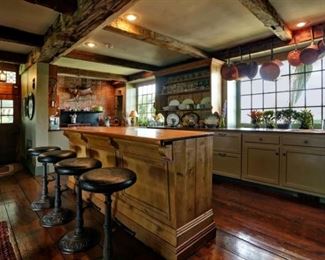
Ethel Boies favored the back door over the front door aesthetically, so when the house reached the top of the knoll, she had it turned so that the back door became the front. She installed a butler’s kitchen to the left of the now “new” front entrance and built an addition on the same side that likely housed servants. The large downstairs room at the back of this addition had originally been several smaller rooms until the current owners removed the interior dividing walls to create a grand open room. Ethel Boies actively created paintings and enjoyed life into her 90s. She died in the house at the age of 94 In 1978. John Schley, grandson of Ethel Boies, lived in the house until 1981 when the current owners purchased it.
The current owners have placed great emphasis on restoring their home to its authentic federal style. The splendid carvings once again became a focal point. A craftsman was hired who labored one full year to remove many layers of lead paint and expose the carvings in their full detail. With the help of Percy Leech, interior designer for Waterloo Village, and others, evidence of their great care flows through the entire house. Choices of color, fabrics, and textures, careful structural additions, and the careful inclusion of modern conveniences have served to maintain a historic masterpiece while at the same time creating a home.











































































Thank you for using EstateSales.NET. You're the best!