
50% off! Blue Waters Rancho Santa Fe Artist’s Estate Sale Mid Century
Nov 6
9am to 2pmNov 7
9am to 2pmNov 8
8am to 2pmTerms & Conditions
JUST A REMINDER: We will be asking shoppers to please not bring any large purses, totes or backpacks to the sale site.
Please bring the muscle!!!
No returns - so please examine your purchase carefully. Enter at your own risk. We are not responsible for accidents.
Cash Preferred - Credit cards accepted for purchases over $50.00. There is a fee of 3.4% for the use of the card (the fee that is charged to me by the handling company) Sales tax charged 8%. If you are a dealer - you will need a copy of your resale certificate with you.
All inventory is offered “as-is,” “where-is” with no warranties. Bluewatersrelocation, nor the homeowner are responsible for accidents inside or around the property! No list or numbers, please line up outside the door. If you are the first to arrive you can make a list - please photograph your place so there is no confusion.
If you are interested in a potential Estate Sale. I mostly work with older people moving into some type of high end assisted or independent living and helping them downsize. (Usually White Sands La Jolla, The Vi, La Vida Del Mar or La Costa Glen)
Thank you, Catherine
www.Bluewatersrelocation.com

Blue Waters Relocation and Estate Sales
Description & Details
Please note that these prices are subject to change for any reason at any time! Sorry - it's just that sometimes we make mistakes!
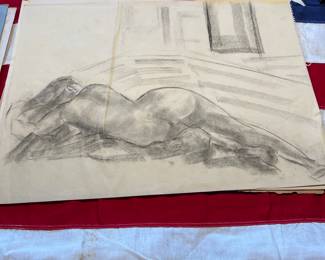
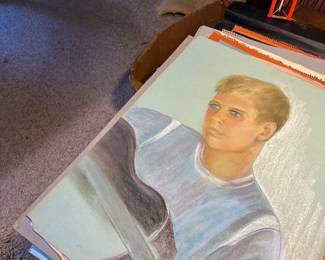
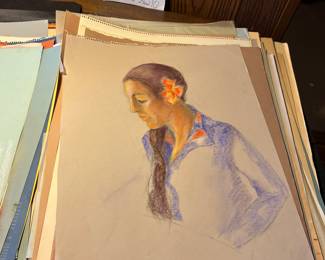
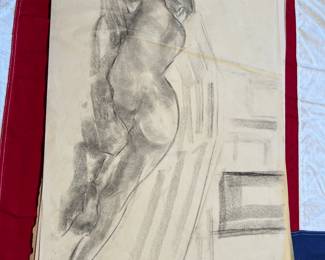
Amazing Estate sale family of artists!
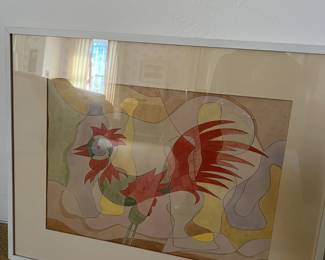
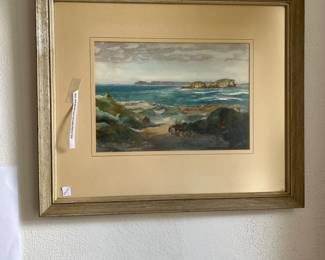
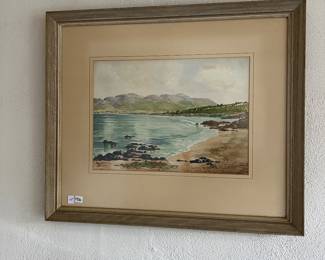
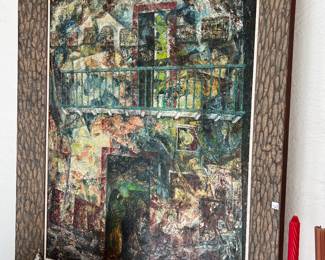
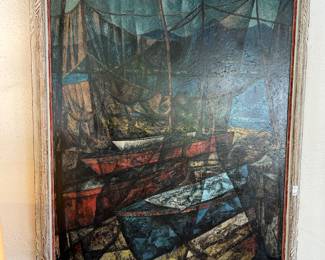
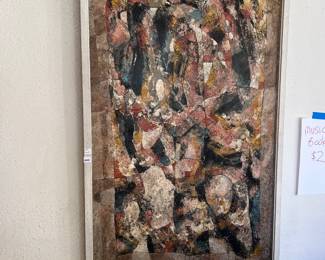
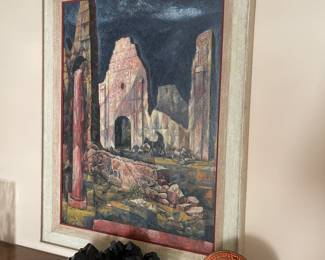
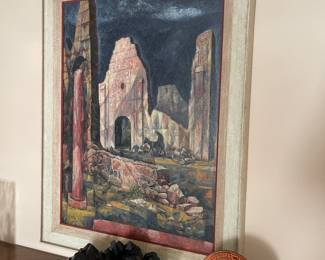
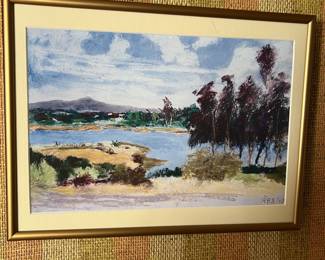
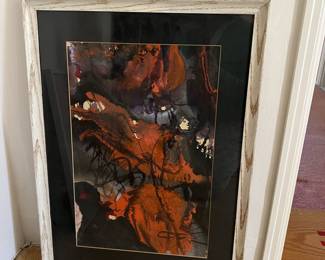
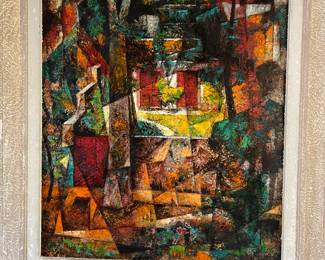
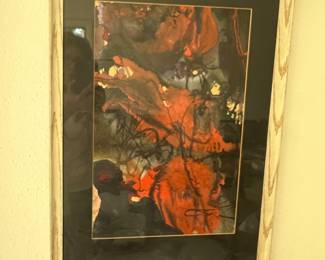
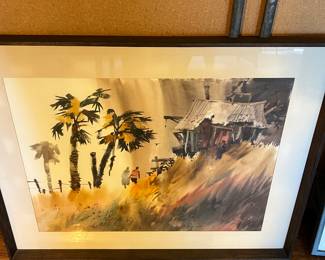
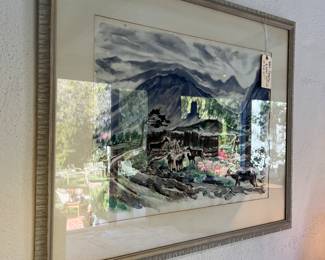
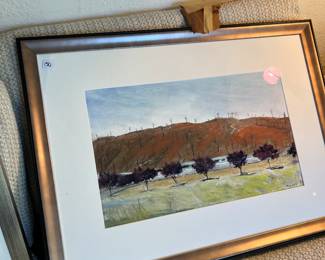
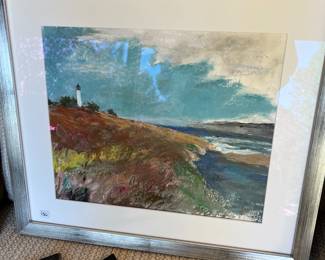
Artists Include William C Grauer - we have a least 20 paintings
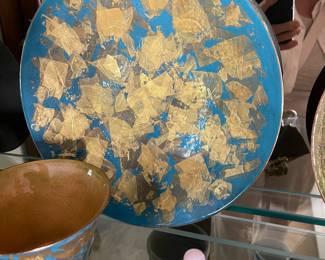
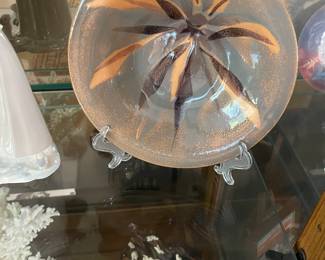
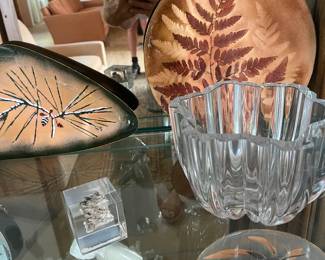
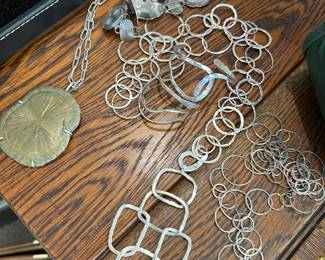
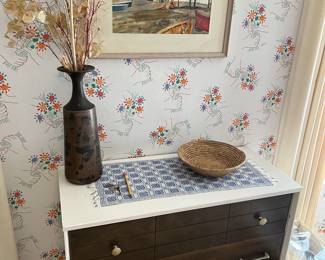
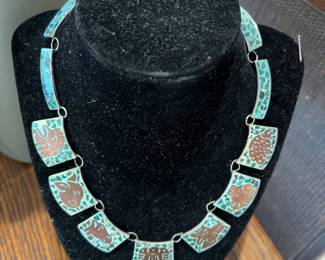
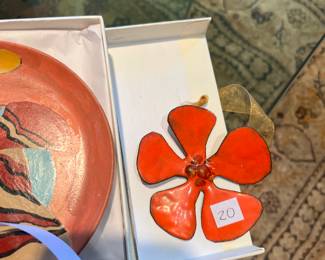
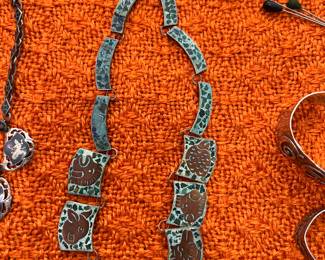
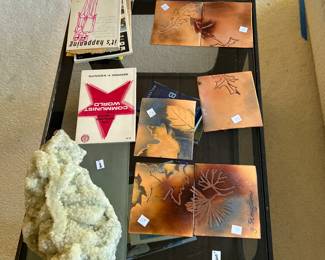
Mid Century enamel work
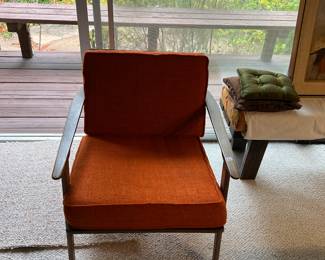
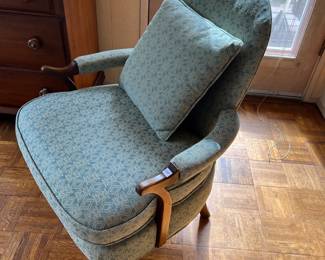
Eames chair 1952
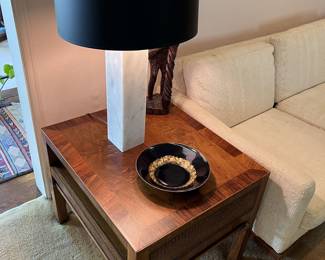
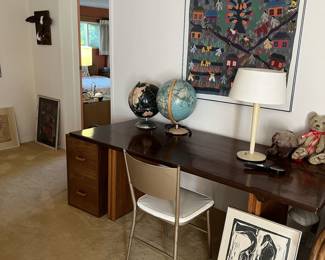
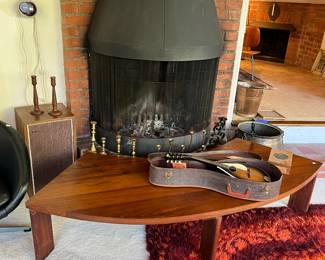
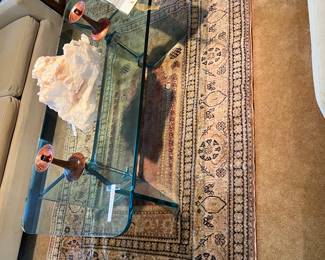
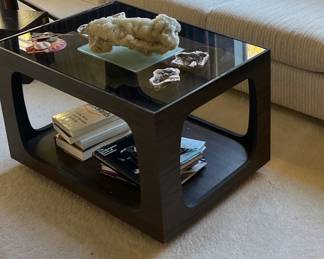
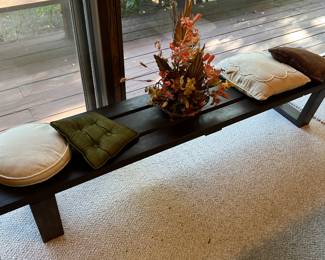
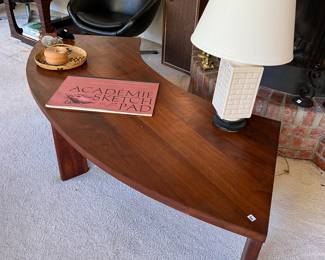
Brutalist coffee table
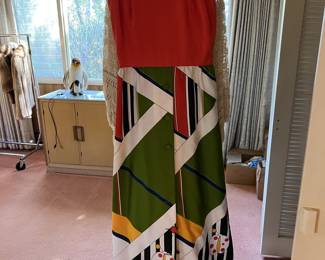
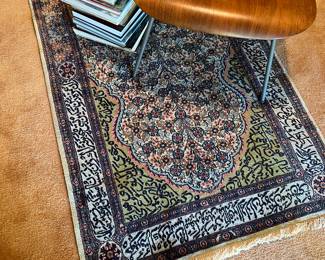
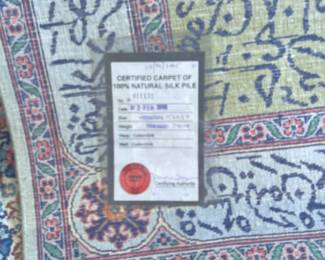
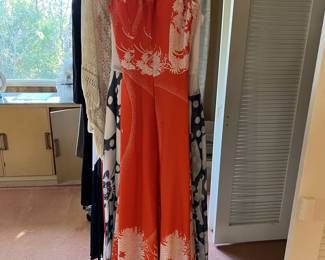
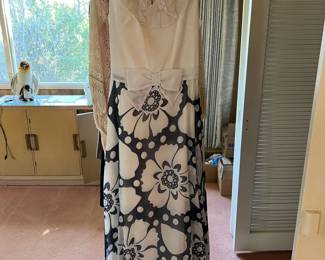
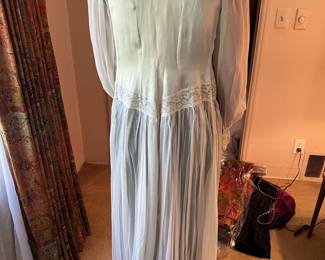
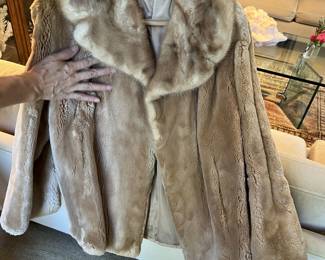
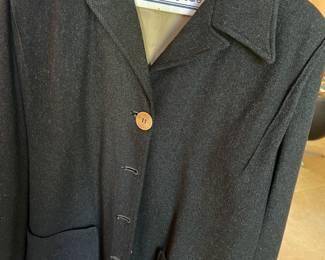
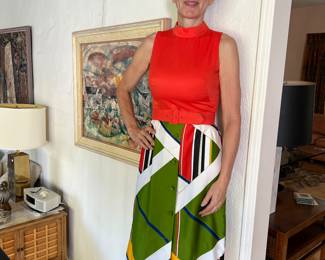
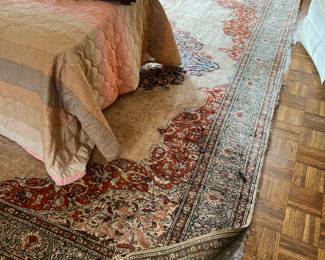
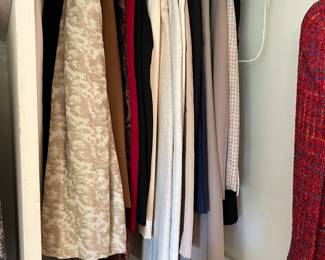
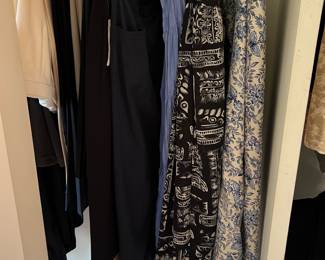
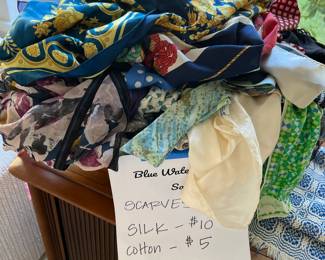
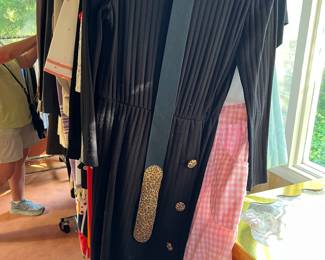
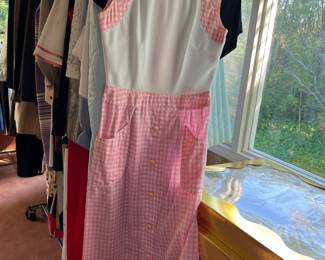
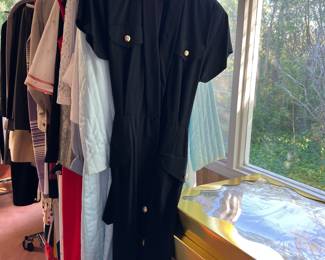
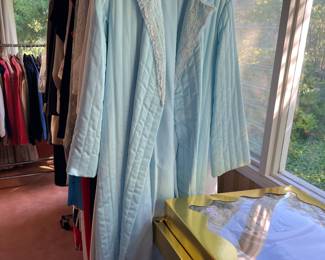
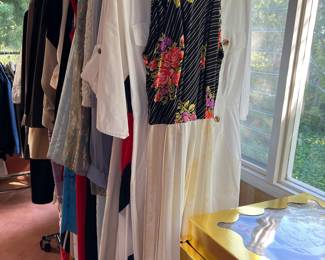
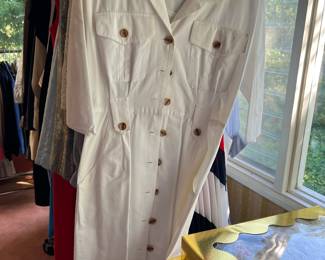
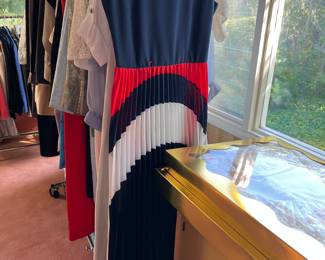
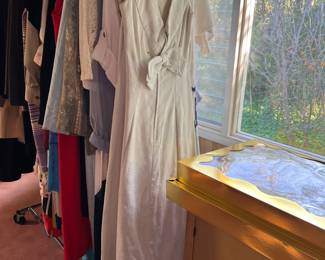
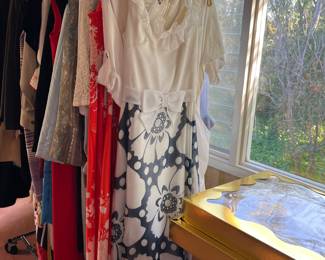
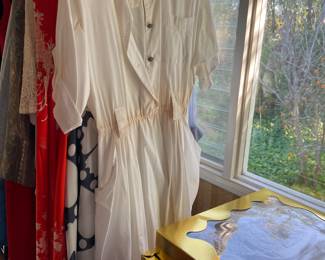
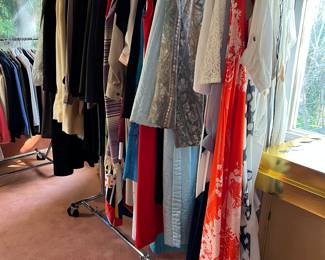
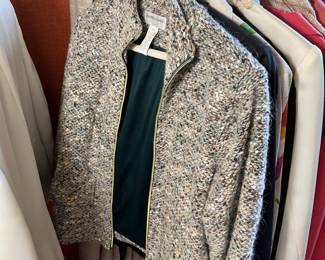
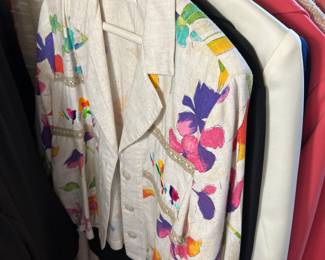
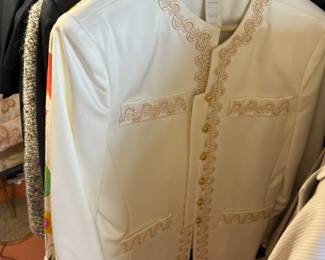
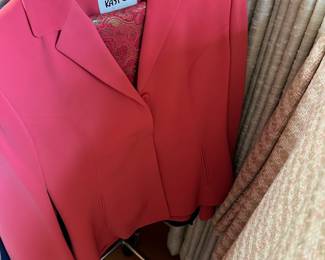
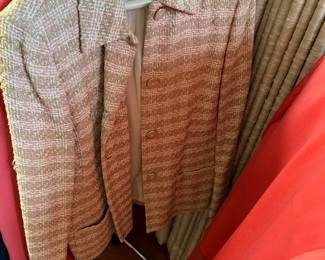
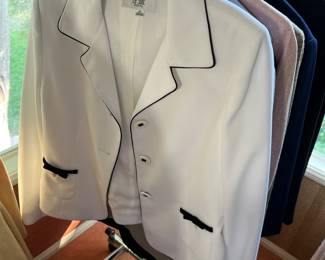
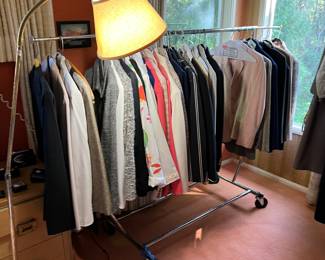
Vintage Clothes Silk Persian Rugs
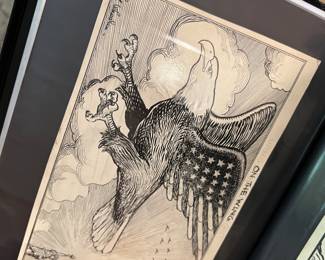
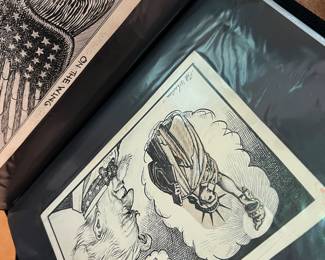
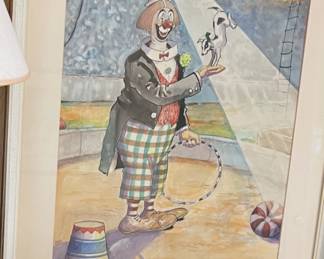
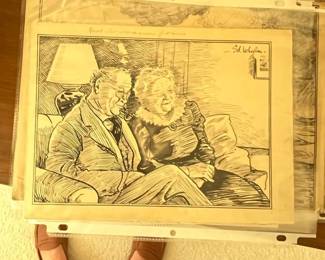
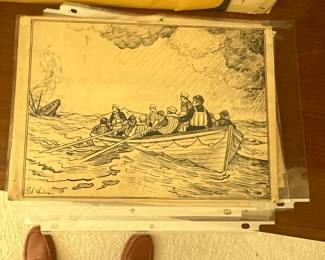
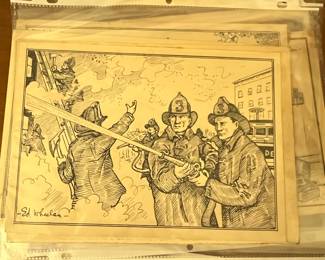
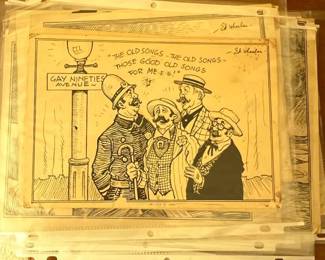
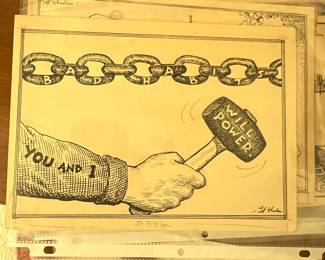
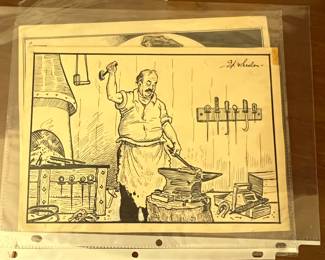
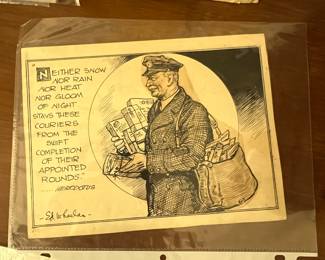
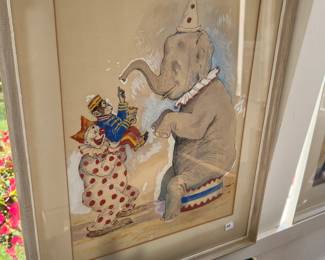
Ed Wheelen Cartoonist
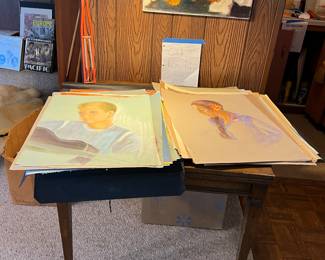
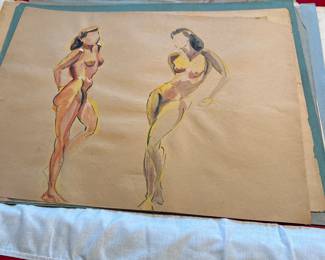
Natalie Grauer Artist
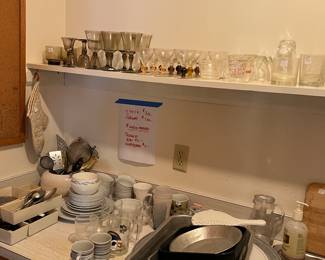
Kitchen
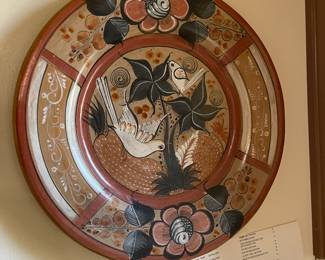
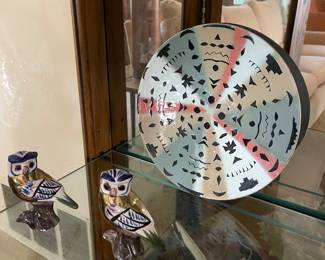
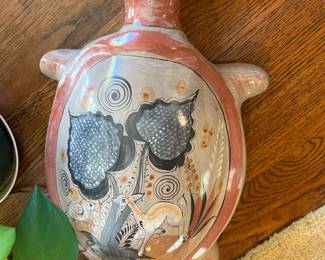
Tonala Plate $38
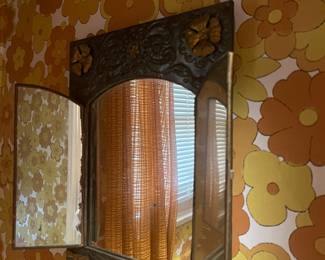
Mexican Tin Mirror $68
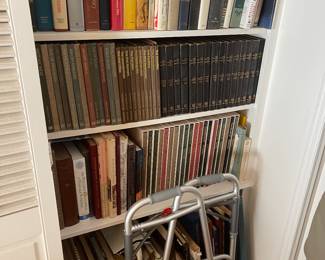
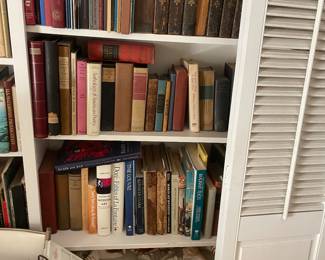
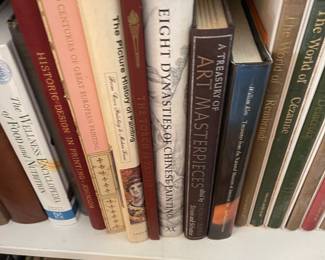
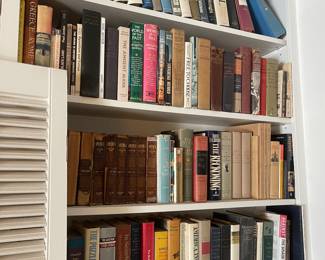
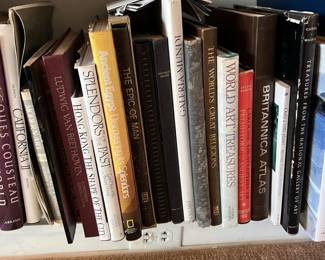
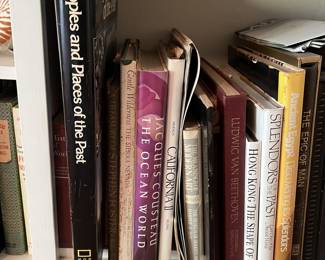
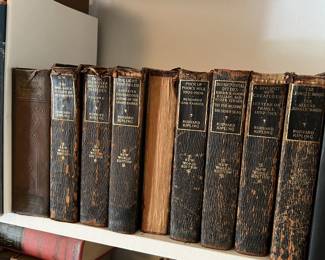
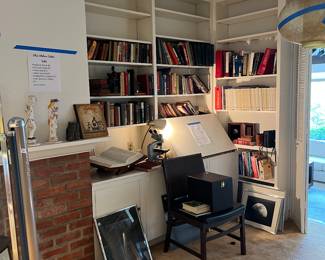
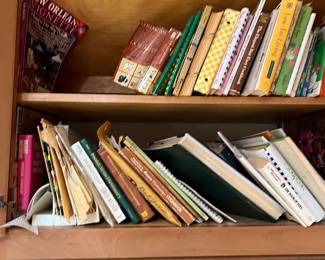
Library
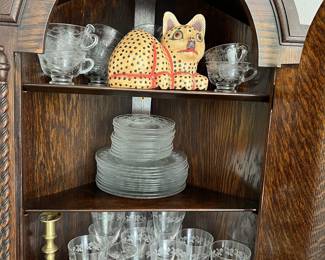
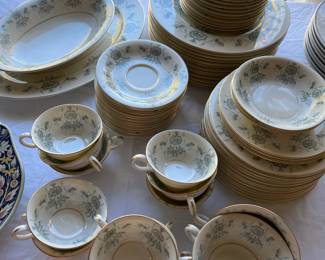
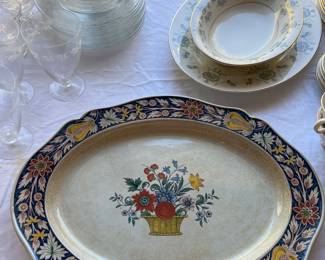
Caprice by Castleton $5 each
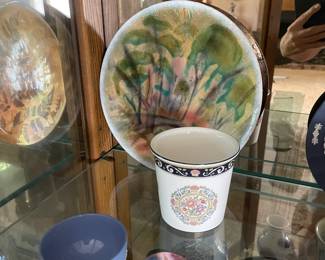
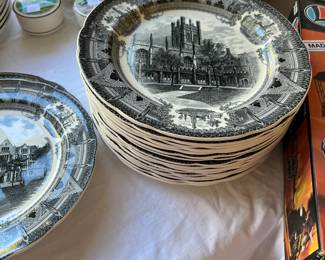
Wedgewood
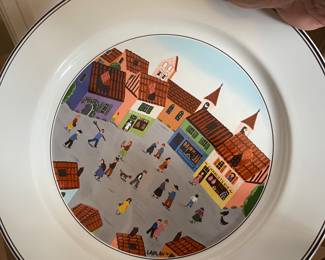
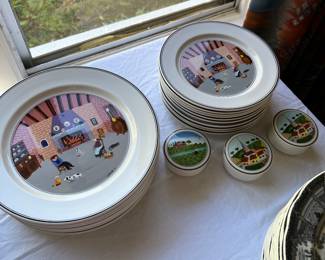
villeroy boch Naif $20 each
Living Room
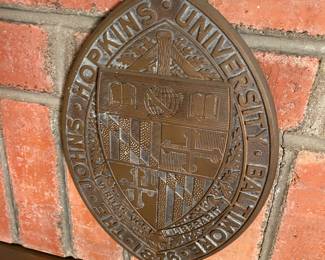
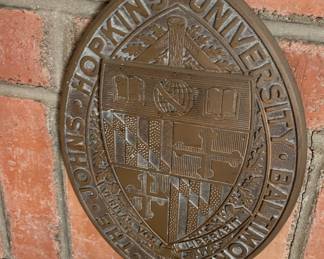
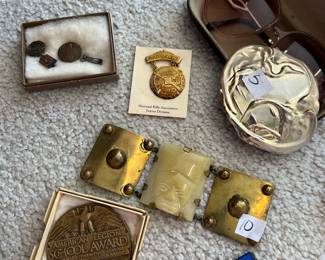
Johns Hopkins University Baltimore 1876 Bronze Plaque - Rare and Real $300
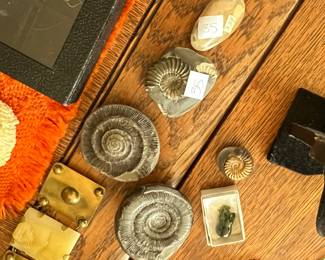
Large museum quality ammonite Mexico - with all authenticity and provenance $3500
Eames chair 1952 LCM $900
WIlliam Grauer
William C. Grauer was a painter, muralist, and art teacher active in Cleveland for nearly 60 years. Born in Philadelphia, he graduated from the Pennsylvania Museum School of Industrial Art in 1914 and saw service in France during World War I. Coming to Cleveland as a free-lance artist in 1927, he married Natalie Eynon (1888-1955), a fellow native Philadelphian and artist with whose career his own became intertwined.
Invited to contribute murals to the President's Cottage at White Sulphur Springs, W. Va., in 1932, they returned to found and co-direct the Old White Art Colony, School and Gallery there during the summers from 1934-40. During the same period they also started the art department at Cleveland College of Western Reserve University. Grauer painted murals for the West Virginia exhibitions in both the Chicago Century of Progress (1933) and the New York World's Fair (1939).
Residents of Ambleside Dr. near University Circle, the Grauers also maintained a summer home and studio in E. Claridon, Geauga County. They had 2 daughters, Blanche E. and Gretchen. Following the death of his wife, Grauer married another Cleveland College art instructor, Dorothy Turobinski, in 1964. He retired from Western Reserve University as associate professor of art in 1966 but continued to paint and to teach privately. Increasingly abstract in style in his later years, his work had been exhibited in 55 May Shows at the Cleveland Museum of Art.
Willliam Grauer is the uncle of the main character of this estate sale and we have appx 20 of his paintings
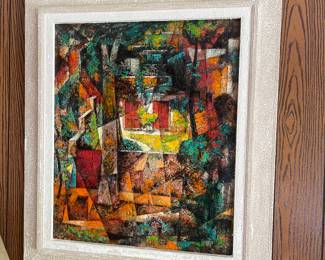
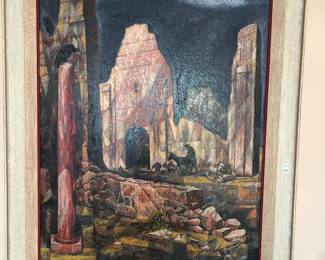
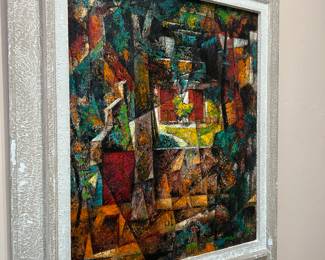
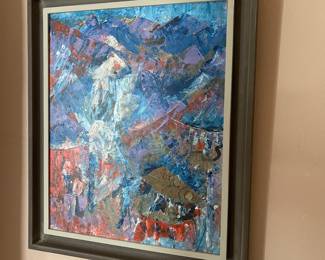
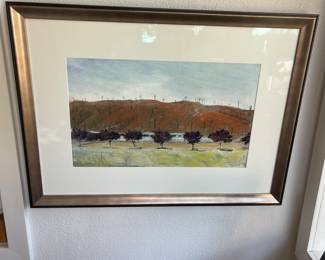
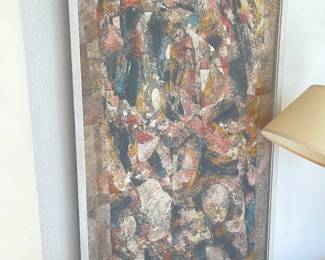
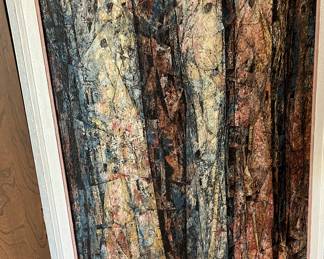
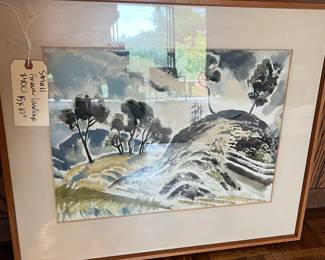
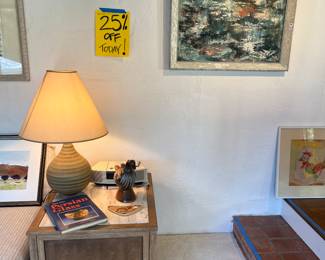
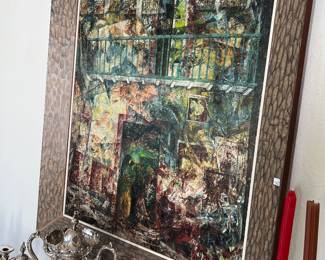
Large Abstract $1000
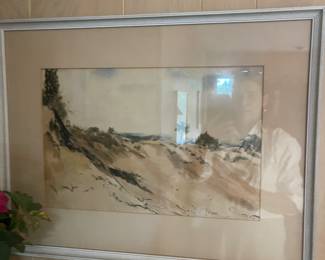
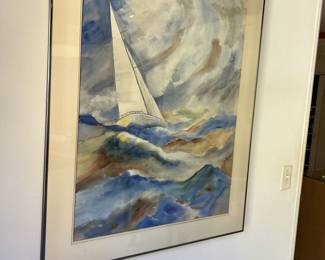
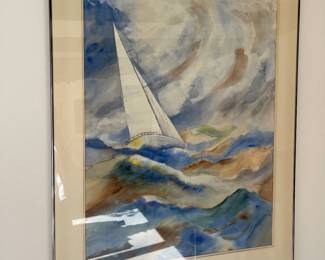
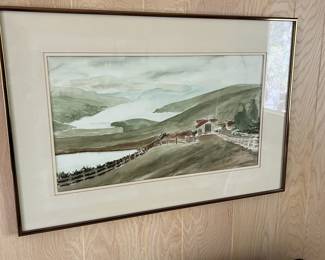
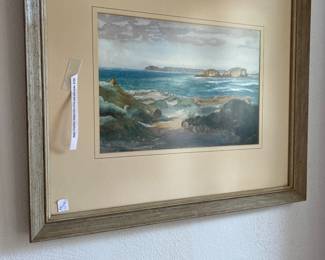
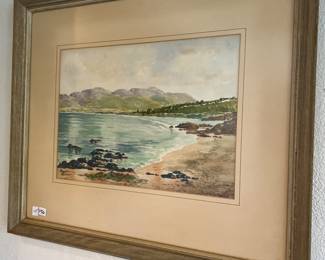
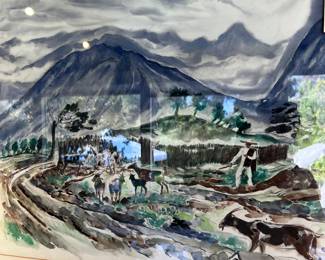
Mexico Large watercolors Watercolors $1250
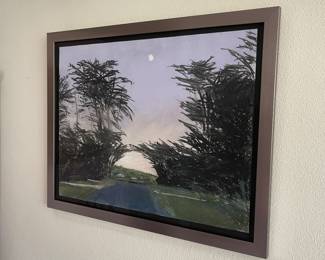
Large Acrylic on Masonite $1000
Living Room
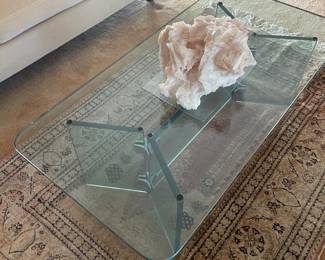
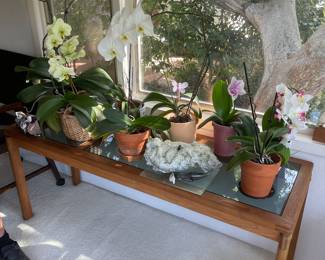
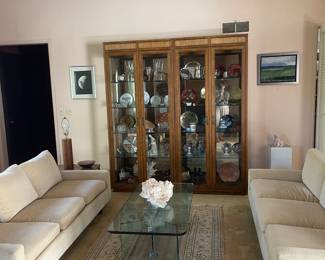
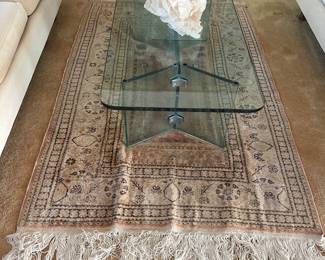
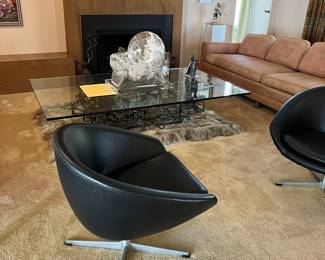
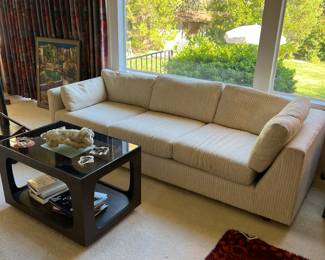
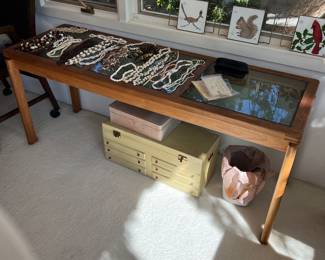
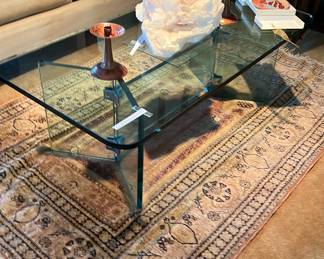
Glass coffee table mid Century $175
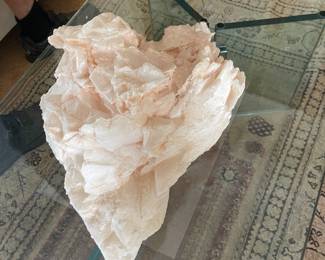
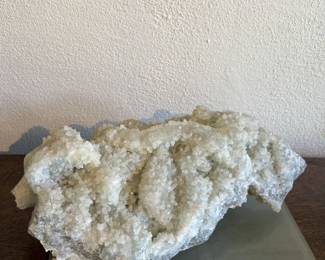
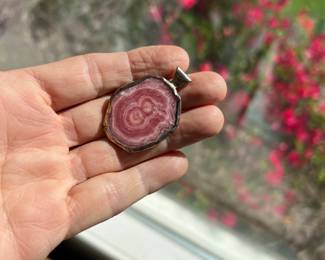
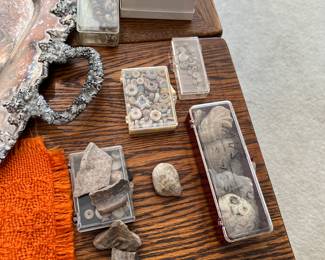
Large mineral specimen Table top pink calcite quartz $600
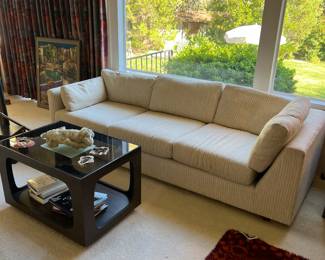
3 mid century cream colored fabric sofas $500 each
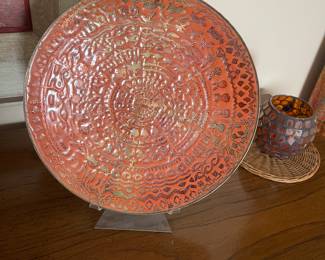
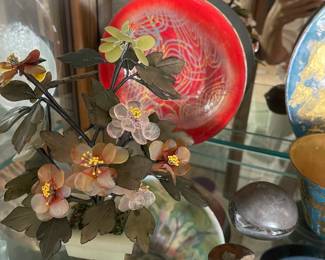
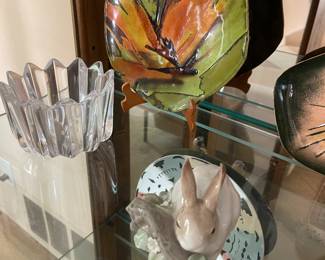
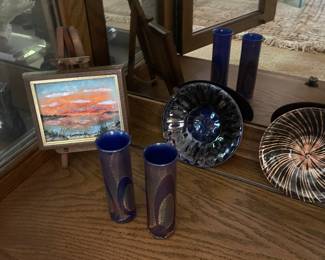
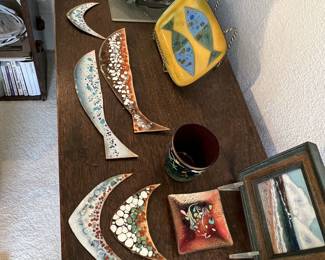
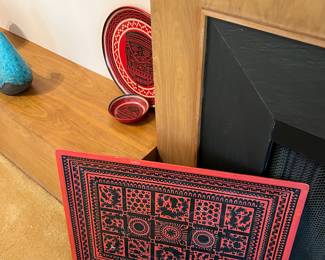
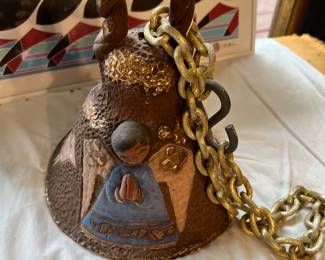
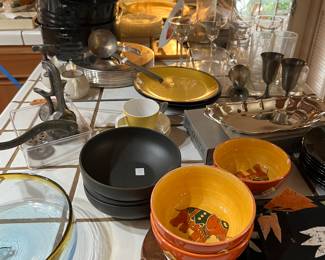
MId century enamel Bowls artisan $100 each
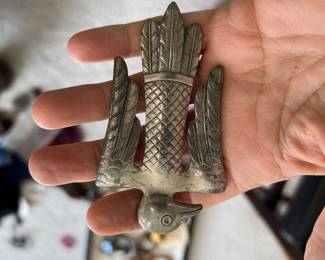
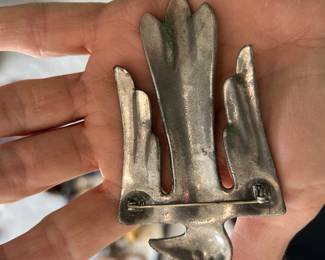
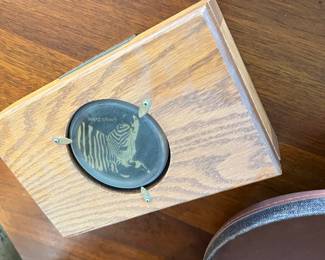
Stephen Rothman Coin Award Recipient The Stephen Rothman Memorial Award is presented annually for distinguished service to investigative cutaneous medicine. The recipient of this award has made major scientific achievements and excelled as a teacher and recruiter of outstanding dermatologists. The recipient is also an individual who has distinctly altered the course and image of dermatology or its allied fields. It is the Society’s highest award.
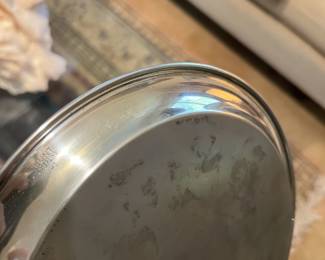
19th Century Sterling SIlver Kirk & Sons Reposee baby cup $400
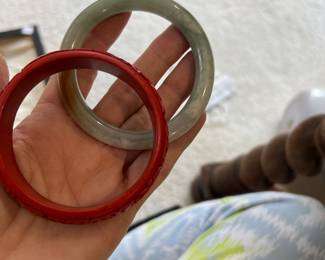
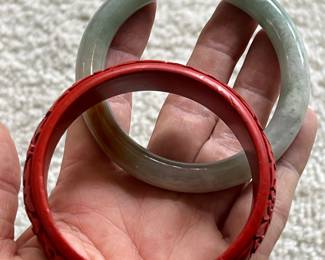
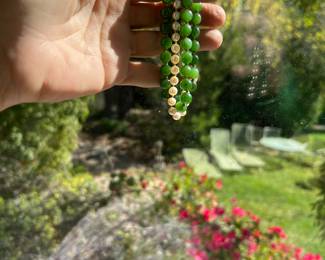
Jade tree $45
Wedgewood Green Jasperware $100
1960’s Royal Delft Blue Vase peacock $25
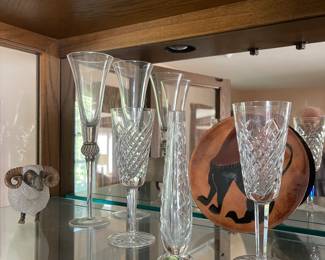
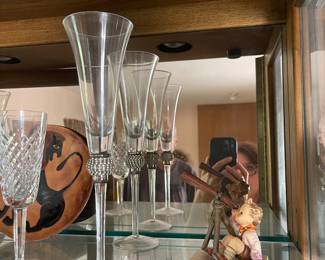
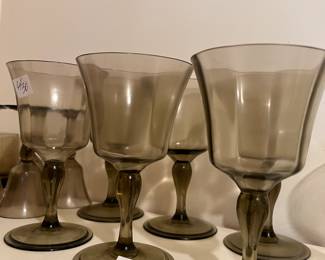
Siriano Champagne Glasses $10 each
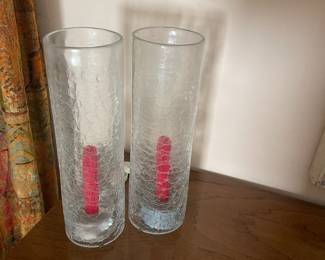
Waterford Fluted Michele Fluted champagne glasses $25 each
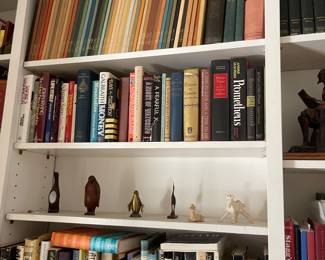
Irish Dresden Ram $40
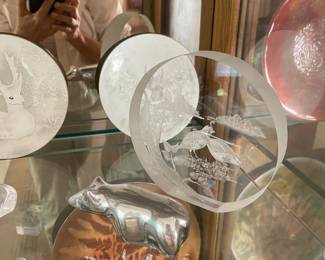
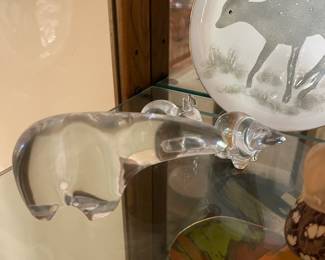
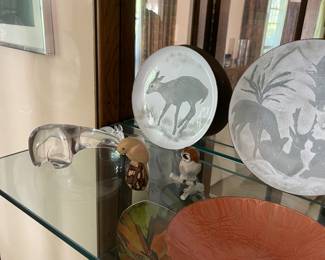
Baccarat Polar bear $75
Fragment Stagg Field Wall in Chicago $10
Lladro Bunny $25
Nao Lladro Lady feeding rabbits $60
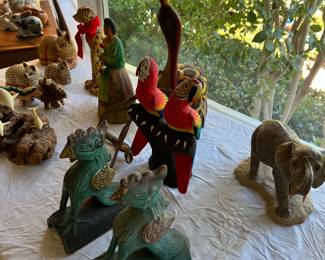
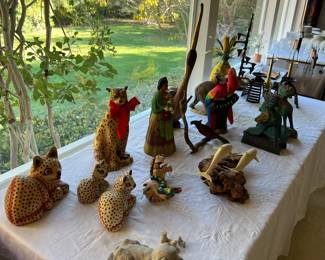
Tonalo Owls - Chip on one $25
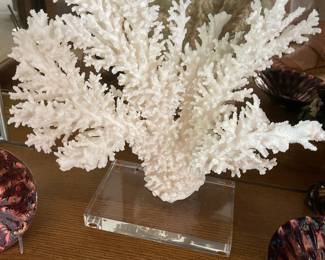
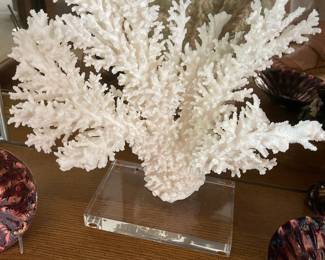
Large white branch coral specimen $500
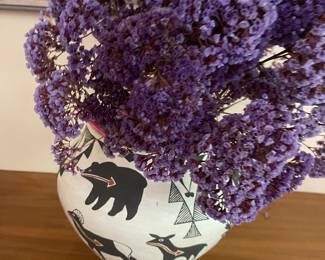
White Acoma pot with animals in black - need to see signature
Picasso Marble - picasso jasper carved bear Zuni $85
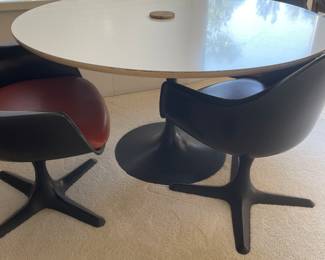
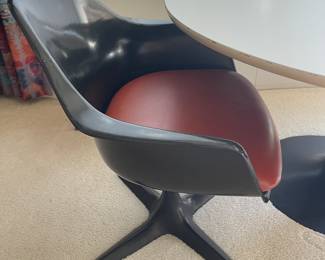
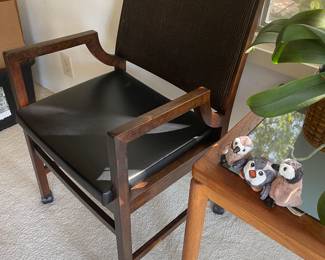
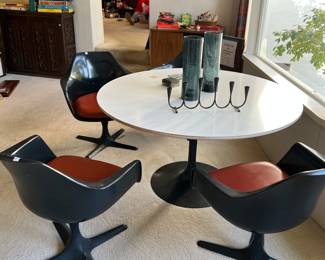
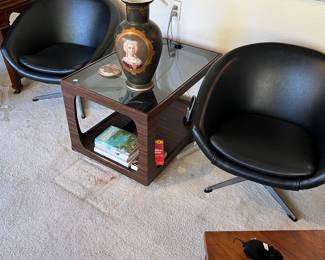
A Maurice Burke Tulip Chairs black 4 $150 each
Table $200
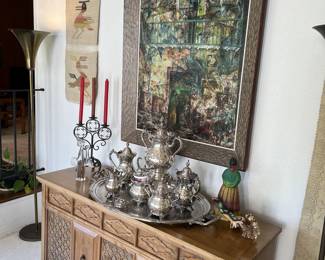
Mid Century Wood Pole lamp $50
Our Main character studied enamels with
Harold Edward Winter (October 14, 1908 - July 22, 1976) was an American artist who worked primarily in enamels. Known also as H. Edward Winter and Edward Winter, he wrote several books on enameling and produced enamel murals for churches and the Section of Painting and Sculpture.
Ed Winter Ceramic
Winter created abstract compositions with occasional botanical or biomorphic elements. He employed copper, steel, silver, or aluminum as his substrate and sometimes used foil inlays in addition to the enamel colors. The works ranged from household tableware to large wall plaques. In the 1950s, Thelma started working in enamel as well, and the pair worked both independently and collaboratively on various projects.[3] They created a number of sizable enamel murals, including eleven commissioned by churches.[3] Winter wrote Enamel Art on Metals (1958), Enameling for Beginners (1962), and Enamel Painting Techniques (1970), as well as many articles on his medium. The first of these was praised as an important book from a master of the craft when it first appeared.[4]
During World War II, while serving as a technical sergeant, Winter received a special commission from the U.S. Army to make educational posters.[1]
In the 1960s, Winter offered a kit for making enameled aluminum jewelry.[5]
His work is in the Cleveland Museum of Art, the Butler Museum of Art, and other institutions.[1]
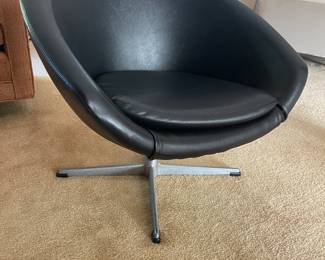
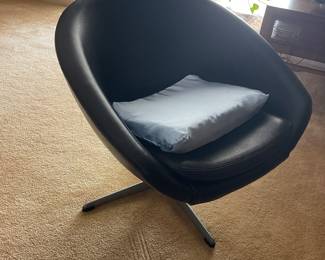
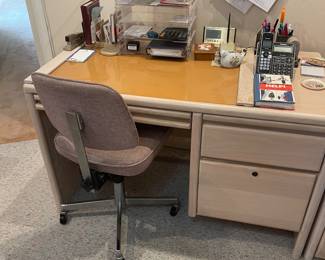
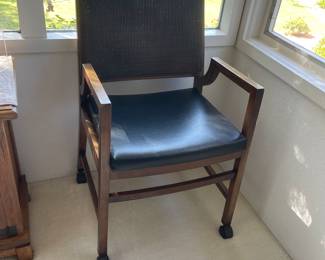
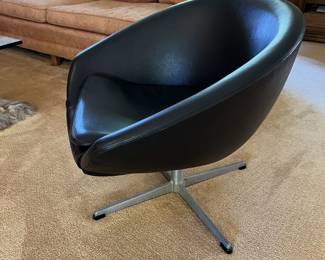
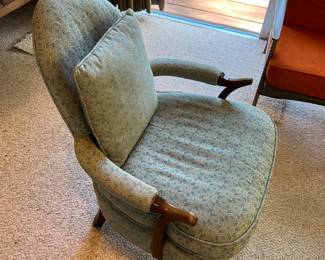
Overman Polo swivel Chair $275 each
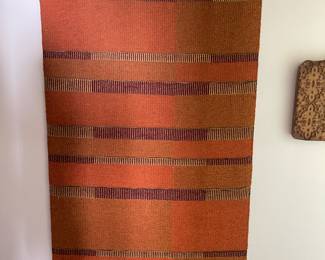
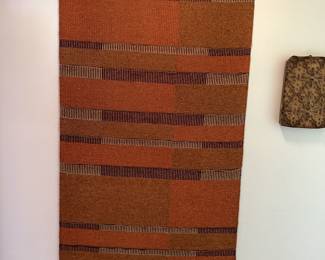
Vintage scandinavian Rya Rug Swedish 4 X 6 $400
Salvador Dali - Mock Turtle Artist: Salvador Dali
Title: The Mock Turtle's Story
Origin: Spain, 1969
Medium: Etching on Paper
Dimensions: 21x29in
Condition: Excellent
Additional Information: An etching of two turtles and a butterfly flying above. Fairy-like silhouetted figures fly around with splatters of ink creating implied movement. The piece is colorful and vibrant with a balance of black and white. The print has a printed signature and a hand signature in graphite. The edition number
$400
Lane Side table $125
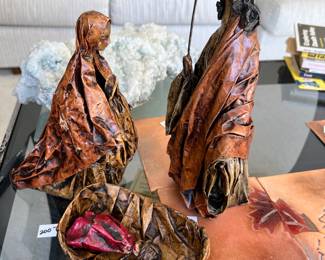
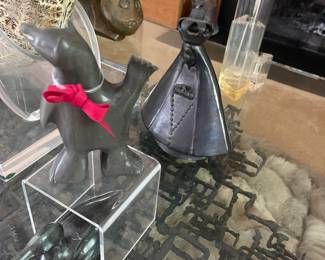
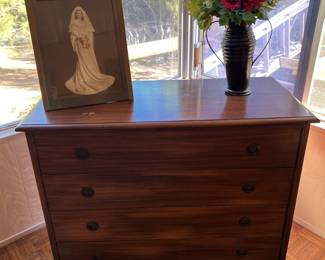
Dona Rosa Black Madonna $150
Daniel Gluck Brutalist Coffee table $3500
Ammonite Nautilus from Mexico with provenance $3500
Calcite - $1500
Smokey Black quartz - irradiated Arkansas - popular in the 1970s - 1980s $2200 each
20” wide $2200
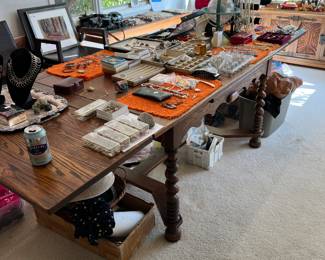
Dining table - barley twist $500
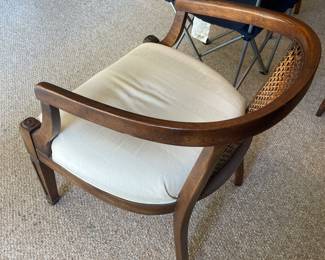
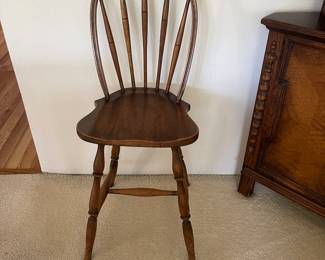
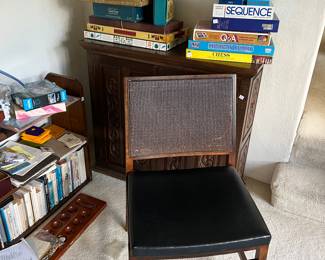
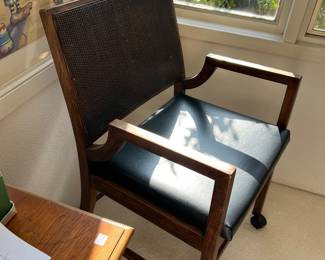
Chairs with black upholstery $75 each
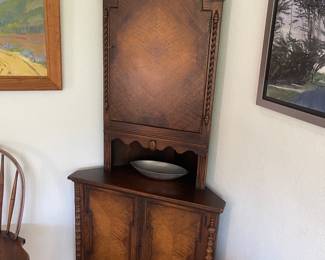
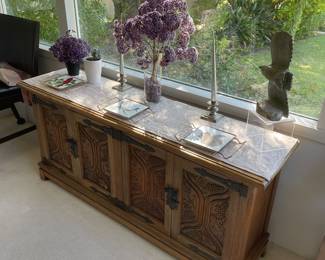
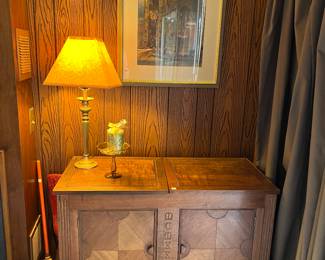
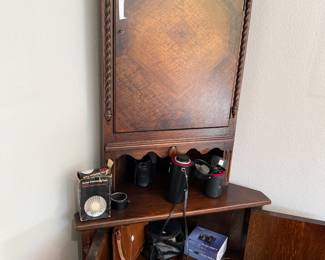
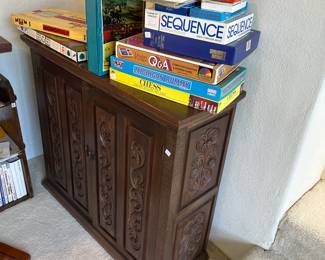
Corner cabinet $300
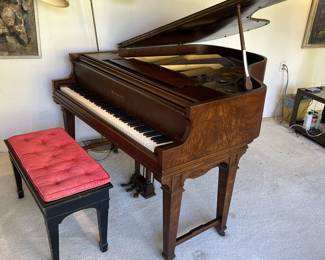
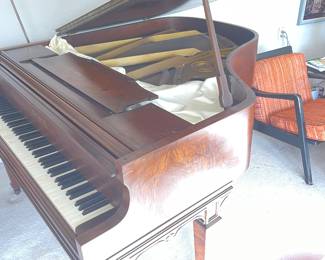
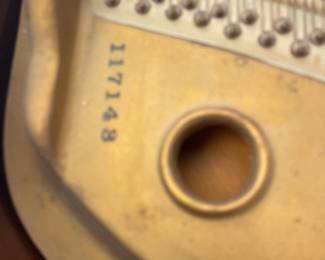
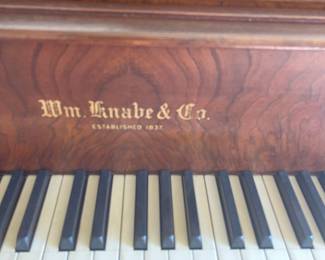
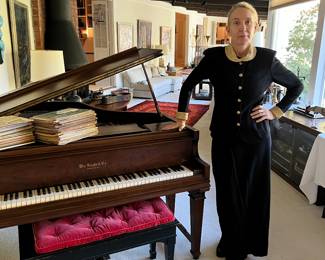
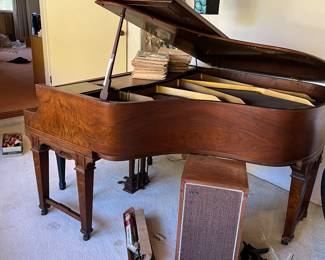
William knabe baby grand piano 117148 $2500
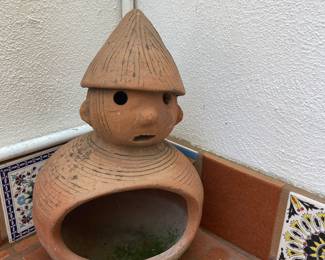
Rosemary Taylor gnome pot $100
Boys Room
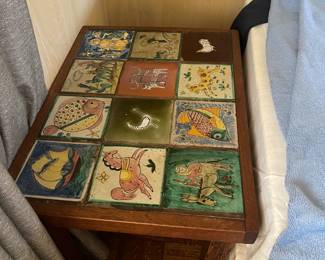
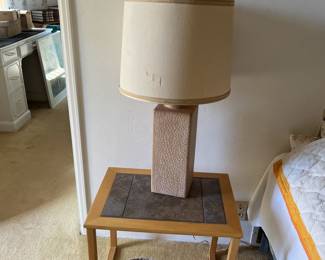
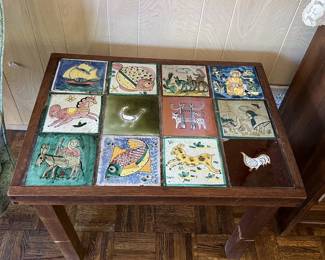
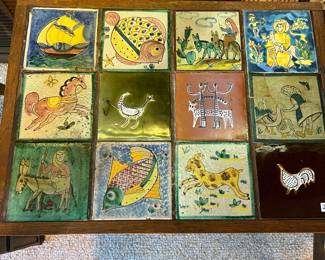
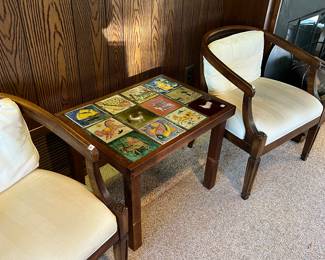
Tile Table $200
Mid Century Fish Mosaic wall PIece enamel fish mid century $100 see signature
Scalloped bottom mirror - John Widdicomb $50
Secretary desk escritore $500
Mid Century Drapes $100
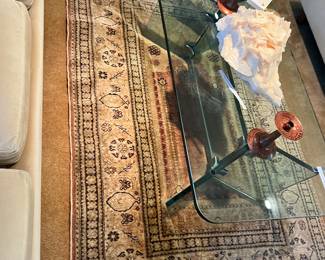
Persian Rug - Sarouk
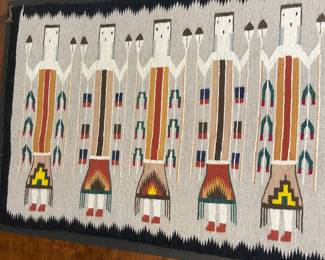
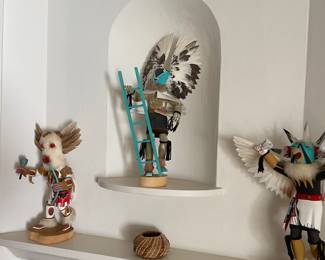
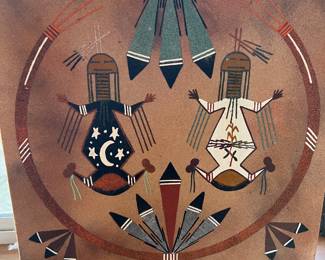
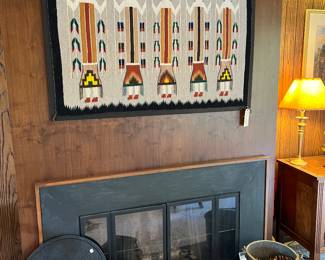
Antique Navajo Yei Bei Chi Wall tapestry Rug $298
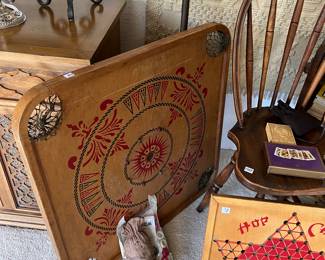
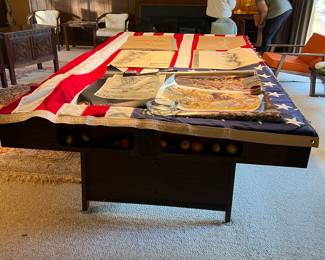
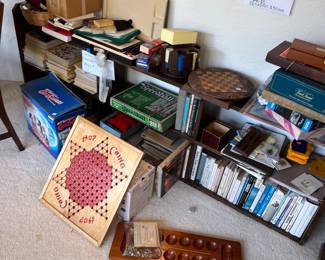
Ping Pong $100
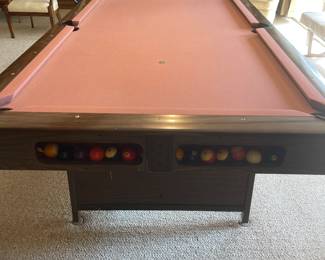
Pool Table $500
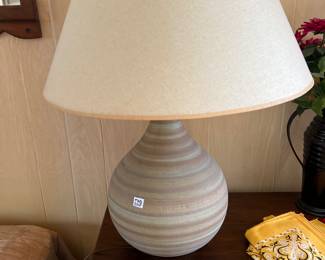
White lamp Vintage $25
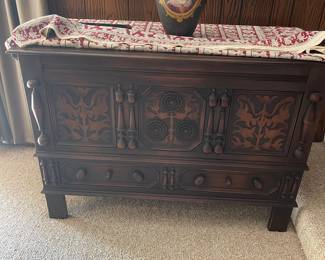
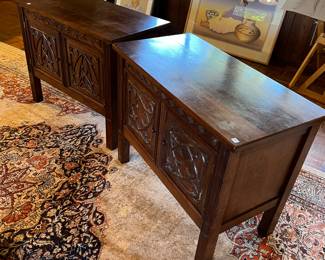
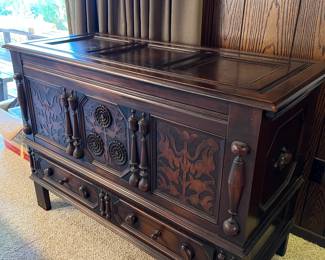
19th Century Revival Trunk Cabinet carved Connecticut Sunflower Chest $400
Antique Colonial Revival Sunflower Chest.Sunflower chests and cupboards were once called “Hartford” or “Connecticut” furnishings. The central panel is often decorated with three flowers on a central stem, one with rounded and two with dog-tooth-shaped pedals, flanked by asymmetrical fluted tulips.
Cherished by collectors and historians since the late 1800s, Sunflower chests and cupboards were once referred to as “Hartford” or “Connecticut” furnishings. They captured the public’s attention with bold designs and connections to the nostalgic “Pilgrim” era. The centennial celebrations of 1876 spurred a fascination with antiques, which gave rise to a market for these objects and inspired the Colonial Revival, a style popular in mainstream America for most of the twentieth century. Legendary early collectors and American tastemakers, like Connecticut’s Emily Seymour Goodwin Holcombe (1852-1923), Henry Wood Erving (1851-1941), and Wallace Nutting (1861-1941) extolled the virtues of colonial America by collecting and celebrating artifacts related to an idealized past, including so-called Sunflower furniture from the Connecticut River Valley. In fact, Erving once owned this chest; it was later sold to Nutting and then donated to the Wadsworth in 1924.
These early connoisseurs imbued this grouping of furniture with meaning and myth that still persists today. With approximately eighty-five identified examples, Sunflower chests and cupboards are the largest assemblage of seventeenth century Connecticut casework known. This joined furniture was so named because of the motif on the carved central panel; however, these carved stylized flowers, laid out with a rule and compass, are probably not sunflowers, but instead may be generic floral representations. Although there are variations within the group, most often the central panel is decorated with three flowers on a central stem, one with rounded and two with dog-tooth shaped pedals, flanked by asymmetrical fluted tulips. The chest’s overall aesthetic—created through applied moldings and turnings, low-relief carving, and paint—reflects the transmission of late Medieval and Renaissance design. The use of similar floral motifs can be found on textiles, silver, and other crafts influenced by the late Mannerist style which was popular in England a century earlier and became pervasive in the Americas.
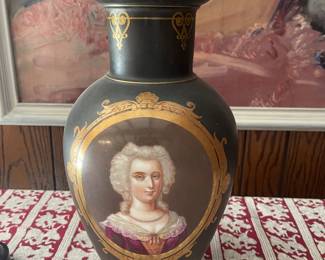
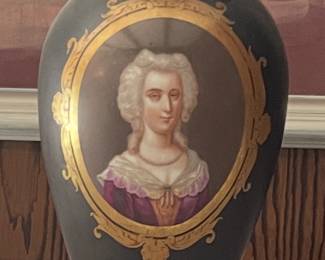
Royal Vienna Style Black Vase and Lady $250
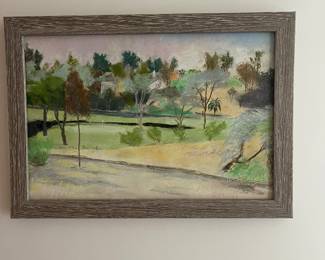
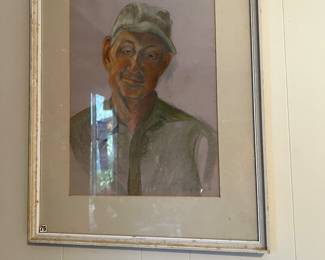
Painting Lady in Pink Dress Black Hat Large $500
Basement
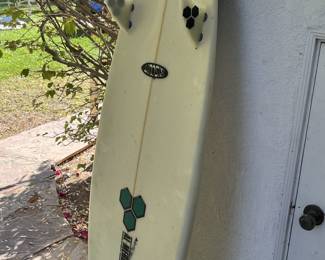
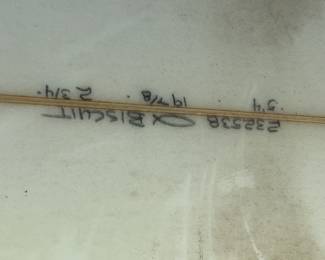
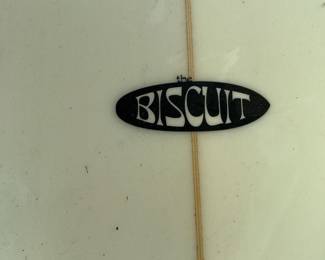
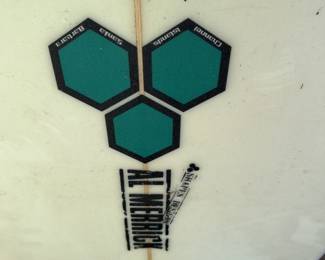
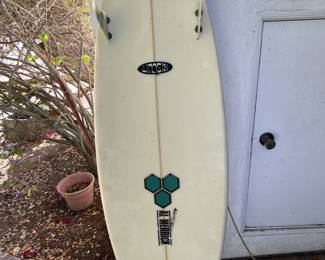
Surfboard - Chemistry Surfboards Al Merrick $300
A short and stubby tri-fin: the biscuit design was developed with Rob Machado in 2006. Like Rob, the Biscuit rides free and easy in the smallest surf and catches waves like boards a foot longer. Voted SIMA board of the year for 2008. Order your biscuit 3″ to 6″ shorter than you are tall. “…foam is your friend…don’t be scared of it. A little bit of extra foam here and there is good for the soul… and your surfing.” – Rob Machado
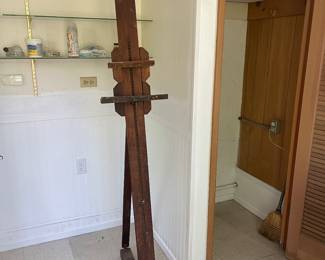
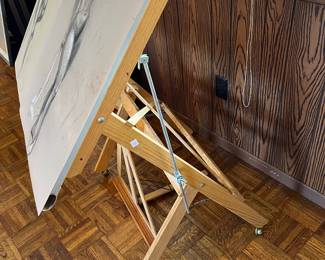
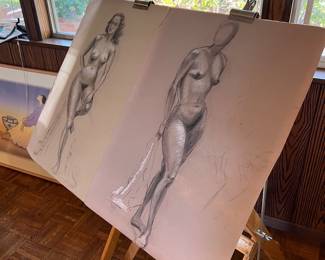
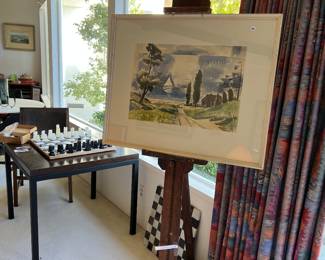
VIntage Standing Easle $100
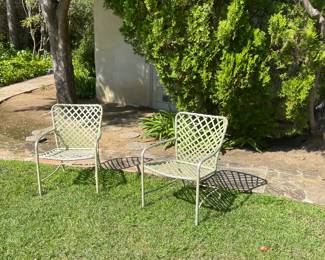
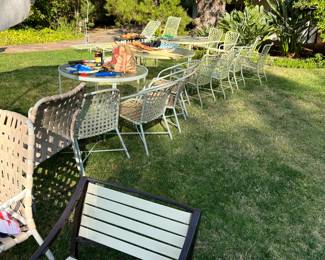
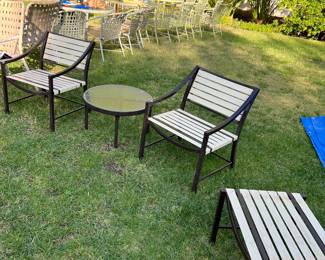
Patio
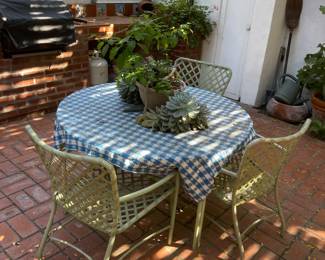
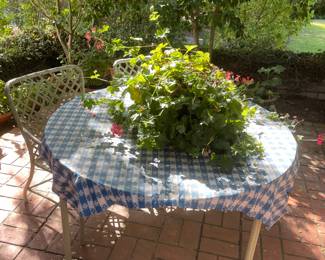
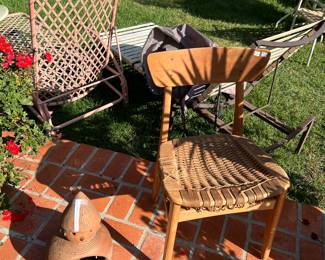
VIntage Brown Jordan Lounge Tamiami Chaise
Brown Jordan Chairs $100 each
DAY 2
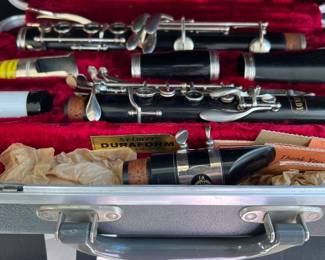
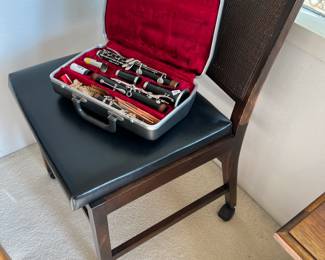
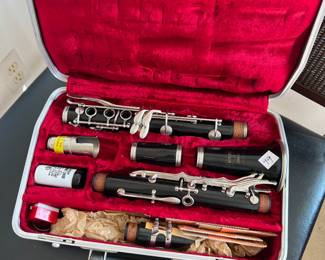
Martin Saxophone Alto Committee 2 Lion 1939-1940 $700
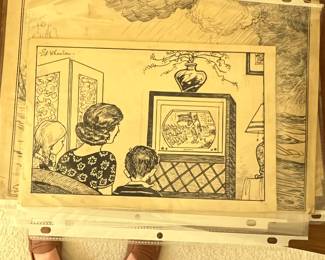
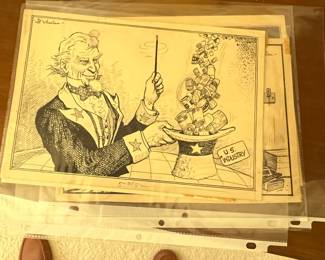
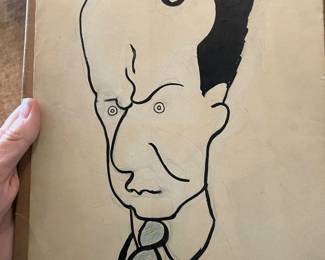
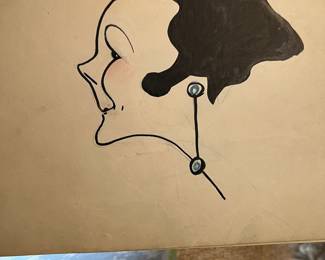
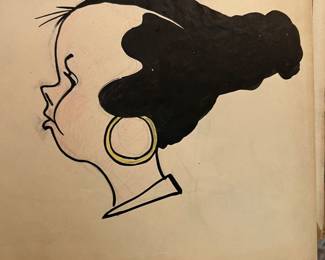
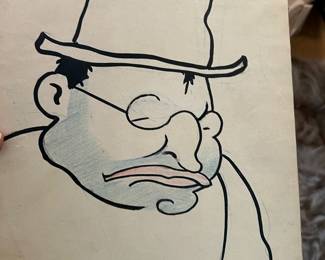
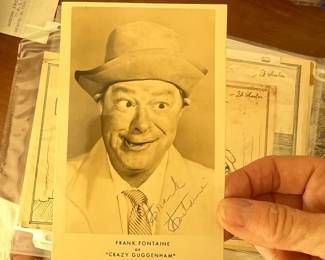
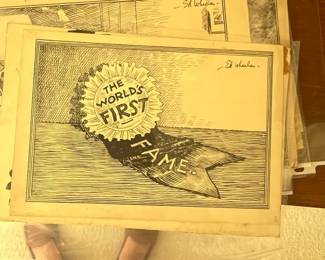
Loads of Cartoon by Ed Wheelen
Originals - he was a relative of the family
| Ed Wheelan | |
| Born | 1888 San Francisco, California, U.S. |
| Died | 1966 (aged 77–78) Fort Myers, Florida, U.S. |
| Area | Cartoonist |
| Notable works | Minute Movies |
Edgar Stow Wheelan (1888–1966), who signed his work Ed Wheelan, was an American cartoonist best known for his comic strip Minute Movies, satirizing silent films, and his comic book Fat and Slat, published by EC Comics. He was one of the earliest writer-artists to introduce daily narrative continuity and cinematic techniques to comic strips.
Born in San Francisco, Wheelan was the son of costume designer Albertine Randall, who drew the 1920s strip The Dumbunnies, and businessman Fairfax Henry Wheelan, a political reformer.[1]
Comic strips
Installment of Wheelan's comic strip Old Man Experience.
Prepared at the Thacher School and Phillips Exeter Academy, he graduating from Cornell University in 1911, Wheelan found employment at the San Francisco Examiner, moving on to the New York American, where he drew an eight-column comic strip about sports.
For William Randolph Hearst's King Features, he created the strip Midget Movies in 1918, but he left in 1920 after a dispute with Hearst. To replace Midget Movies, Hearst launched The Thimble Theatre, drawn by Elzie Crisler Segar.
Wheelan continued to mock movies in his Minute Movies for the George Matthew Adams Service. He drew the two-tiered Minute Movies from the early 1920s until 1935, developing one of the characters into a spin-off strip, Roy McCoy. Near the end of the 1930s, Wheelan teamed with Bill Walsh on Big Top, a circus strip.[1]
Comic books
In the early 1940s, DC Comics brought back Minute Movies as a feature in 58 issues of Flash Comics. In 1944, Max Gainespublished the Edgar Wheelan Joke Book with Wheelan's Fat and Slat characters, who returned in their own title, Fat and Slat, which ran for four quarterly issues in 1947 and 1948. The book also featured Wheelan's "Comics" McCormick ("The World's #1 Comic Book Fan").
In the late 1940s, Wheelan drew Foney Fairy Tales, fairy tale parodies that ran as a feature in Wonder Woman and Comic Cavalcade.[2]
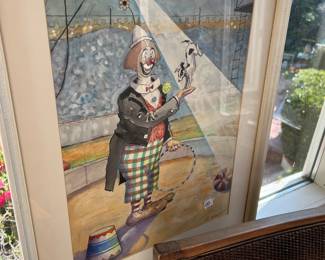
After leaving comics, Wheelan created paintings of clowns. He died in 1966 in Fort Myers, Florida.[1]
Reprints
In 1972, Woody Gelman reprinted Minute Movies in his Nostalgia Comics.
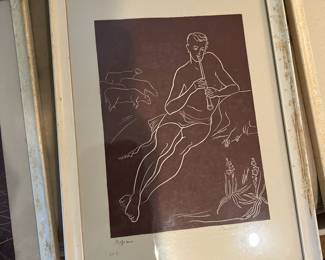
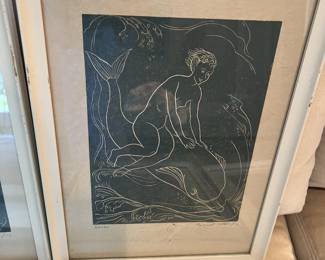
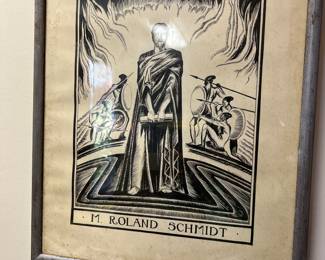
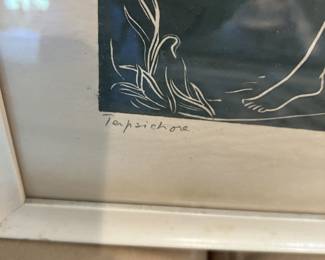
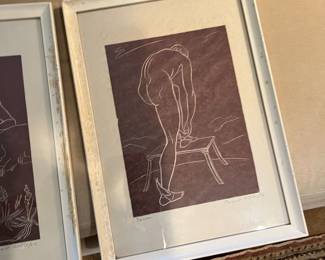
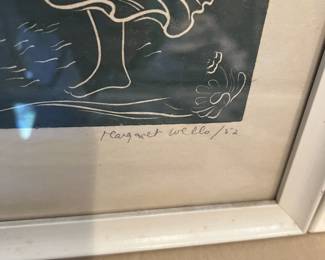
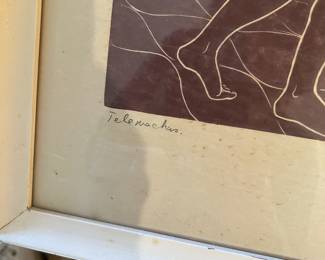
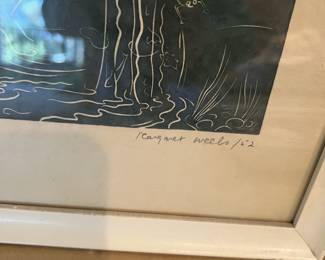
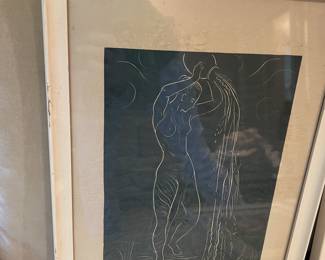
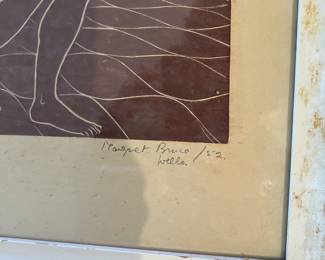
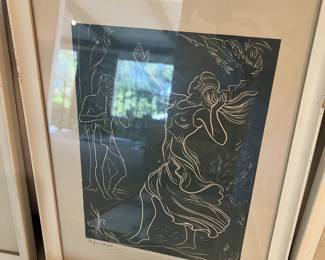
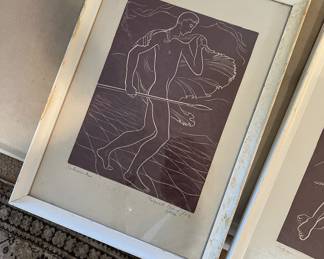
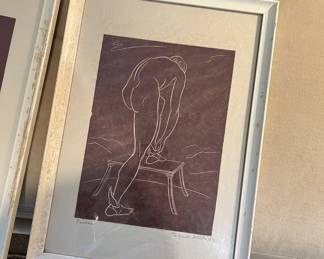
Margaret Caroline Bruce Wells (née Bruce; 13 June 1909 – 4 December 1998) was a British artist known for her use of woodcut and linocut techniques.[1]
Biography
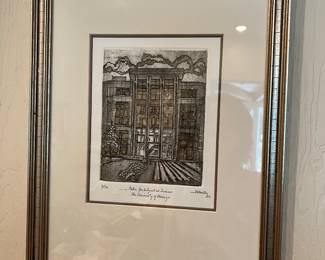
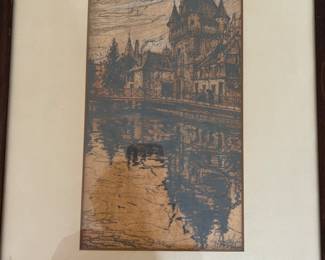
Although born in Murthly in Perthshire, Wells attended Queen Margaret School in Scarborough before returning to Scotland in 1928 to study at the Glasgow School of Art.[2] In 1933 she moved to London to study at the Leon Underwood's Brook Green School.[2][3] In 1935 Wells became his studio assistant and for a time lived in the Underwood's home.[2] Wells developed a passion for fishing and in 1935 produced two sets of prints on the subject, Fishing for Bleaks and Ells by Night which were well received.[4] During World War II, Wells served as an ambulance driver and in 1951 she married George Wells, a dermatologist. The couple lived in Chicago for several years during which time Wells studied at the city's Art Institute.[2]
During her career Wells exhibited at the Royal Academy and with the Society of Wood Engravers and became an honorary member of the latter in 1995.[2] She lived in Suffolk for the last two decades of her life and continued working until her death at Sibton.[1] Prints by Wells are held in the collections of the Ashmolean Museum in Oxford, the Victoria and Albert Museum in London, the Art Institute of Chicago and the Hunt Institute for Botanical Documentation at Carnegie-Mellon University in Pittsburgh and in the British Government Art Collection.[2][4][5]
$480 each
ADU
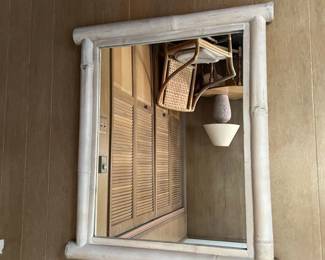
Bamboo White Mirror $50
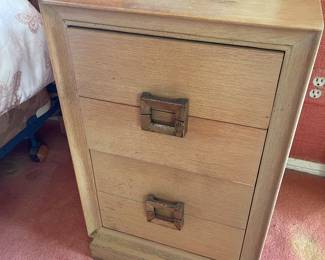
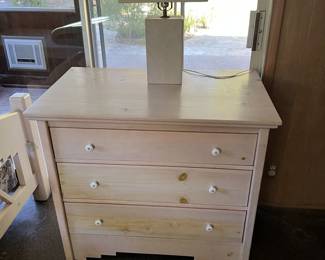
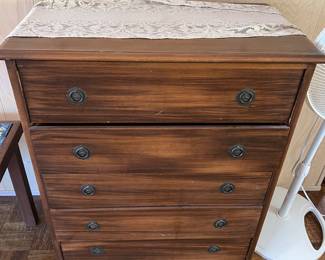
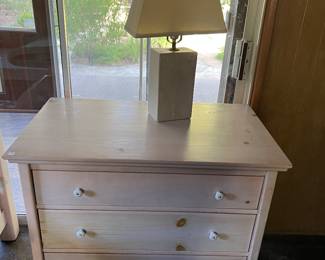
Southwestern New Mexico Dresser $100
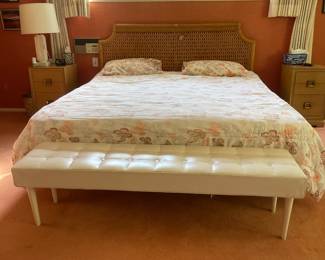
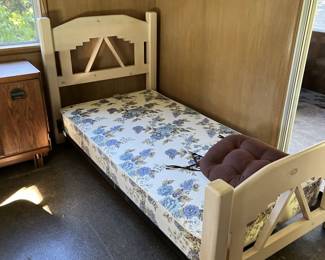
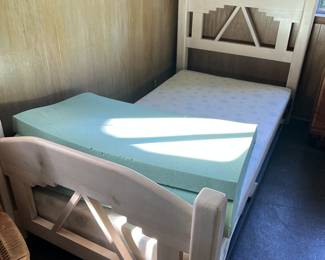
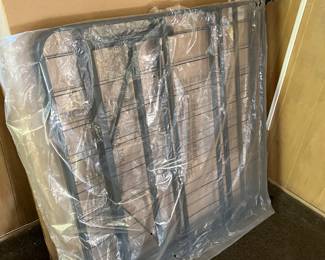
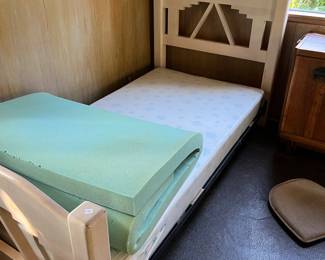
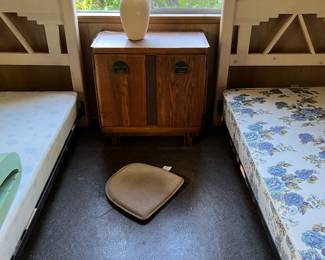
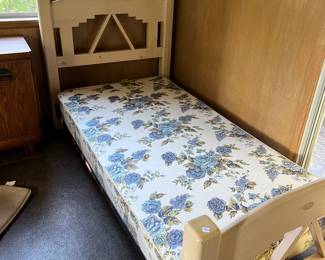
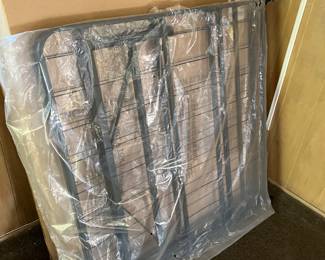
Twin Bed - we have 2 $100 each
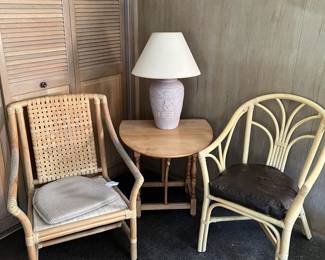
White Lamp $25
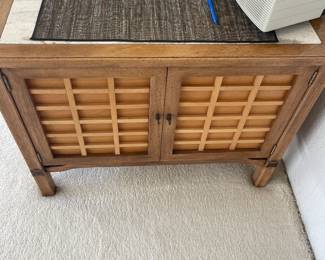
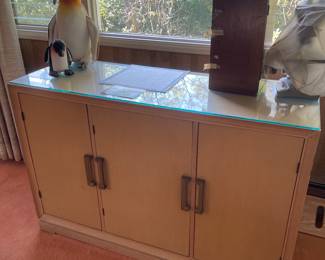
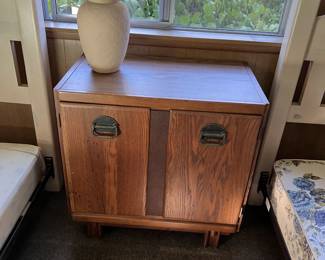
Drexel Passage side table cabinet $150
WHite Lamp $20
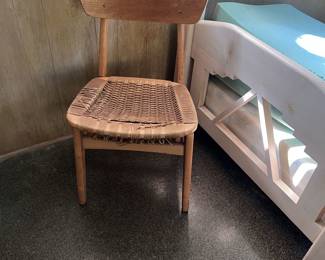
VIntage Hans Wenger CH23 Dining chair $250
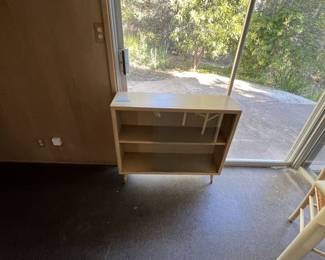
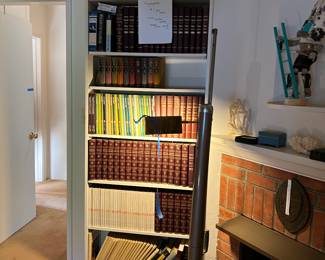
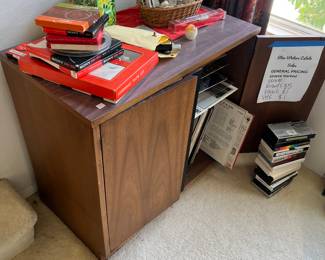
Mid Century Modern Book case with Glass $100
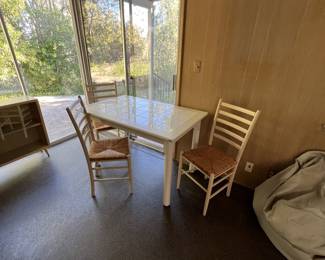
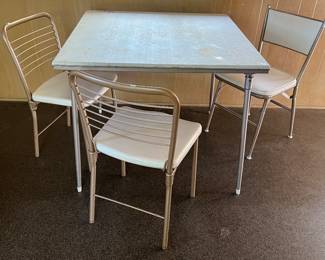
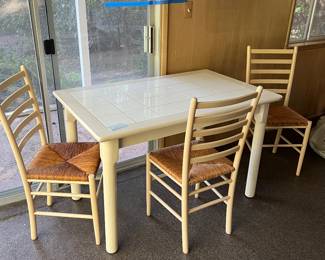
White tile dining table $10
Chairs $50 each
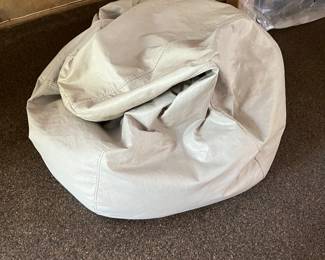
Beanbag $35
Boys Room
Thanka $250
Lane Accent Table $200
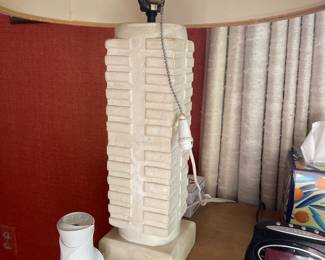
Marble Square Column lamp $125
Vintage 1960’s Torica Celestial Astro-Globe Japan Space Race $500
Jacobean Revival Cabinet $500
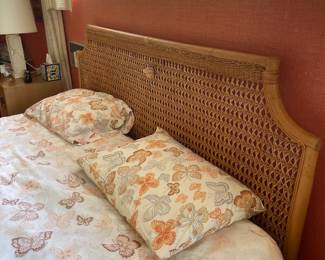
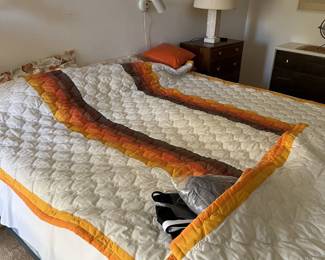
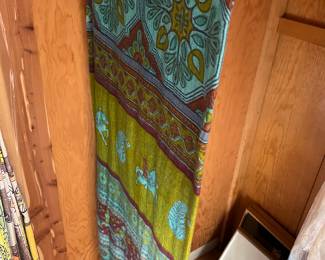
vintage 1970s bedspread $40
Pendleton Vintage Multicolor Stripe Wool Blanket $100
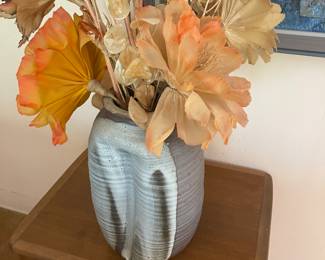
Robert Maxwell Vase $200 - might be Robert Coronel for Design West $100
Our Main character was tall.
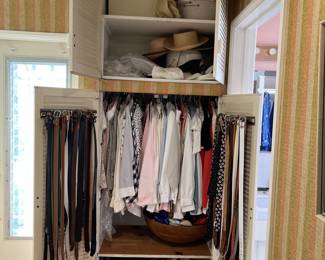
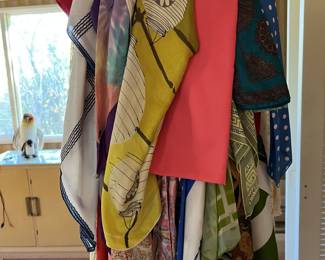
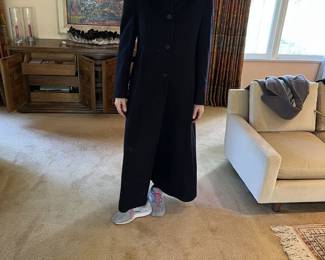
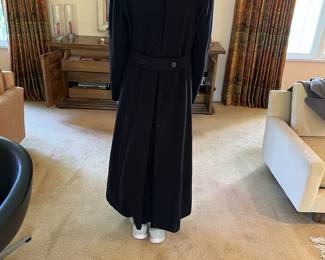
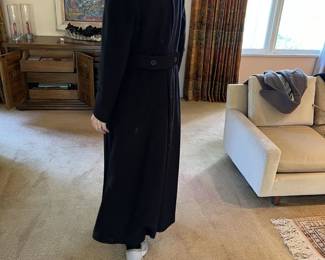
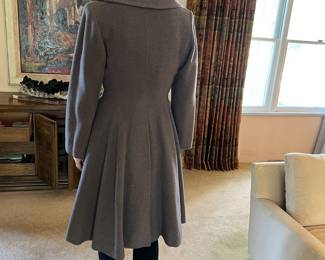
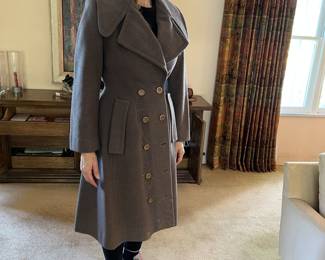
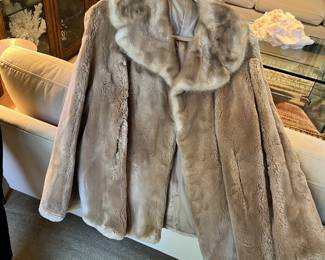
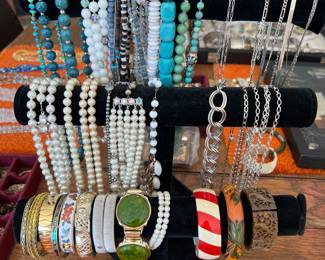
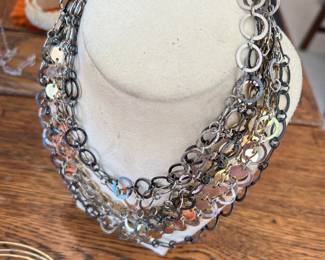
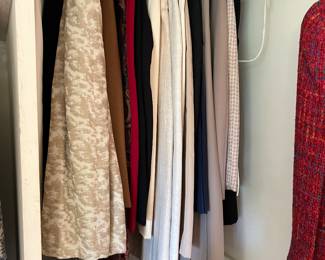
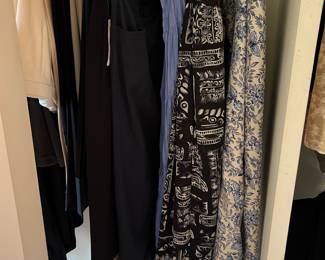
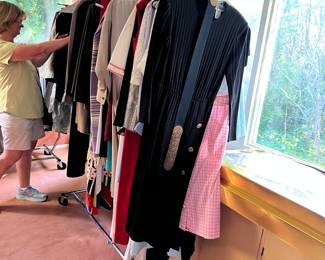
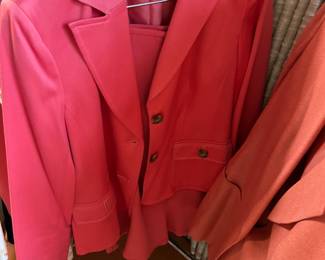
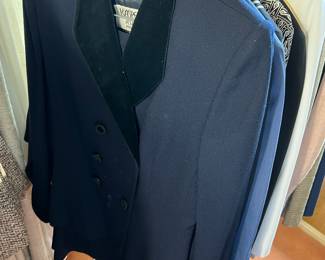
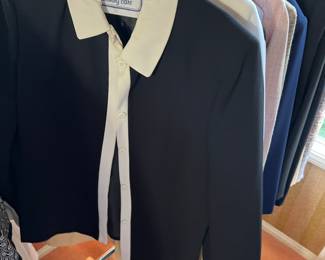
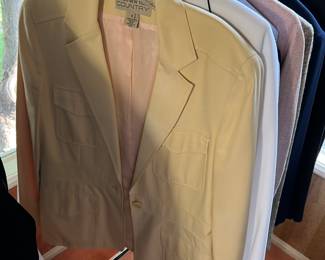
Vintage Clothes and Shoes - shoes size 9 -10
Clothes Size small medium
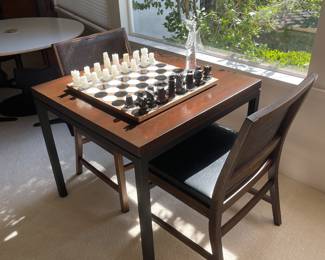
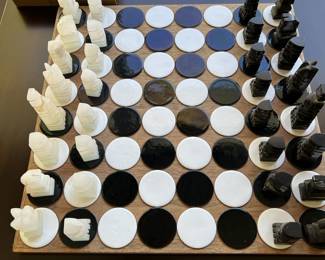
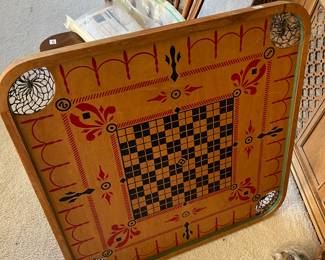
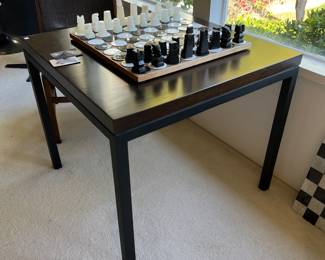
Art Chess Set $100
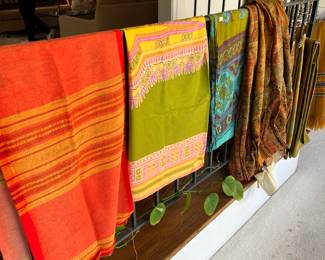
Moroccan Rug Runner $125
Peruvian Tapestry $100
Large appx 14” Chalcedony Drusy Quartz $400
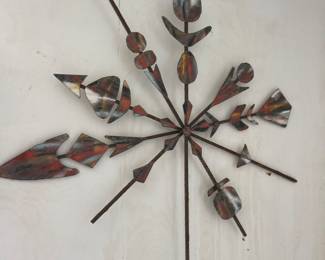
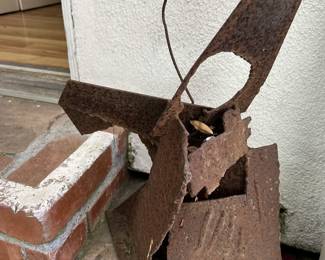
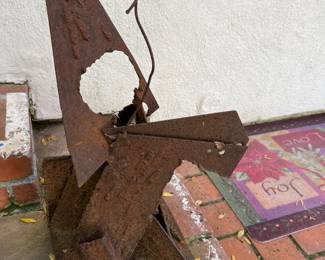
Brutalist metal farden sculpture $100
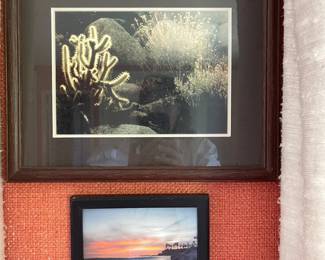
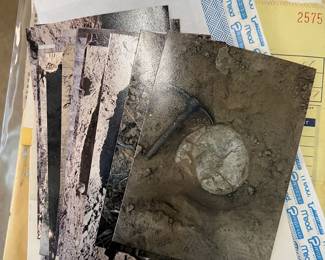
Black and Whote Photopgrpahs $20 each
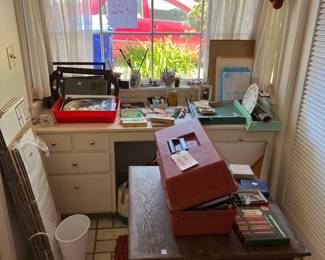
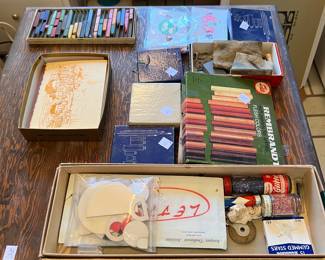
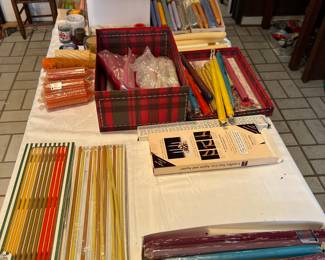
Lot of Enamal making supplies
Ikki Matsumoto
Ikki Matsumoto (Japanese / American, 1953-). Serigraph of a bird, Anhinga. Pencil signed and with red seal lower right, numbered 375/750 in pencil lower left. 28" x 20 1/4" (with frame 37 3/4" x 28 7/8") $250
Tokio Miyasjita WORK V-6, color etching, signed in pencil, from the numbered edition 35, image 20 ½ x 14”, sheet 27 x 20” $100
Lain Singh Bangdal
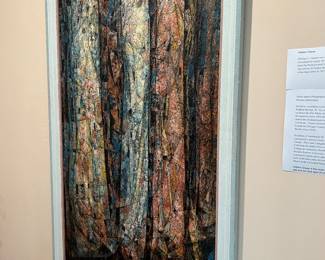
20 X 24” $2000
A twentieth century polymath, Bangdel became Nepal's preeminent modern artist, as well as acclaimed novelist, art historian, preservationist, and academic who played a pivotal role in shaping the history of art in South Asia. Whilst he was born in Darjeeling, India to a family from Eastern Nepal, he grew up in Bengal, where his family had migrated to find work.
In 1939, he attended the Government College of Art & Craft in Calcutta, and despite dreaming of his homeland and the mountain range that enveloped it, his early works were focussed on the architecture of Calcutta. He lived in Calcutta for a decade before departing for the United Kingdom and France. He imbibed the art scene and what it offered and continued to experiment with diverse subjects, before moving to Kathmandu in 1961.
Kathmandu Valley was painted in the early 1970s, shortly after Bangdel's return from the United States, where he had been a Fulbright Scholar from 1968-69. It was here that he was impacted by the works of abstract expressionists like Philip Guston, Willem de Kooning and Franz Kline.
His works subsequently evolved and his abstract style, the roots of which can be traced to Calcutta and Europe, became bolder. In Kathmandu Valley Bangdel turns his attention from the sublime, staggering peaks of the Himalayas to the rolling, lush environs of the Kathmandu Valley.
He uses passages of gold, ochre, red and emerald—streaked with black—to carve out a tranquil, embracing landscape outside of Nepal's bustling capital, Kathmandu. Bangdel creates a gentle sense of dimension with this land, enough to evoke the terraced farming in the hills and valleys of Nepal that enables the region's agricultural production. Painted over a decade after Moon over Kathmandu (1962), this work utilizes the fragmented style Bangdel once deployed to render metropolitan spaces, exchanging the urban subject for pastoral tranquillity.
Ed Wheelen Originals $110 each
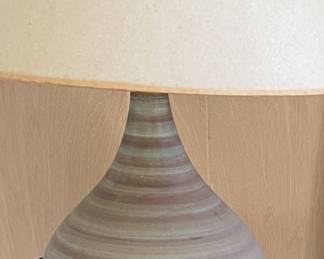
Vintage Martz lamp Ceramic Striped $200
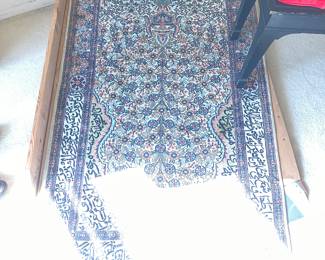
Large Karastan Persian Rug $1500
Natalie Grauer also known as Kathleen
Natalie Grauer was born in Wilmington, Delaware and studied art in New York at the Art Student's League, the National Academy of Design (graduating in 1918) and privately in New York under Russian émigré Alexander Archipenko. In 1924 she attened the Art Institute of Chicago. That same year she came to Cleveland after marrying fellow artist William Grauer. Together they established an independent art school in Cleveland.
In 1932, Grauer began summering in West Virginia, where from 1932 to 1942 she co=directed the Old White Art School and Colony at White Sulphur Springs. She also founded the Old White Art Gallery at Greenbrier, West Virginia. In 1935 she became an instructor in portraiture at Cleveland College of Western Reserve University, where she and her husband were instrumental in founding the university's art department.
Known for her portraiture and figures, Grauer painted many well-known professional and historical figures, among them the equestrian portrait of Robert E. Lee for The Greenbriar Hotel in 1932. She was a frequent exhibitor in May Shows at the Cleveland Museum of Art, often winning prizes, and the International Watercolor Exhibit. Grauer was also included in exhibitions at the Whitney Museum of Art, The National Academy of Design, The Carnegie Museum and The Pennsylvania Academy of Fine Arts.
Submitted by Christine Fowler Shearer, Director, Massillon Museum, Massillon, Ohio




Thank you for using EstateSales.NET. You're the best!